

Vice President JD Vance met Iranian officials in Switzerland as the Trump administration pursued a diplomatic agreement aimed at reducing Middle East tensions.
JD Vance Leads High-Stakes Iran Talks in Switzerland
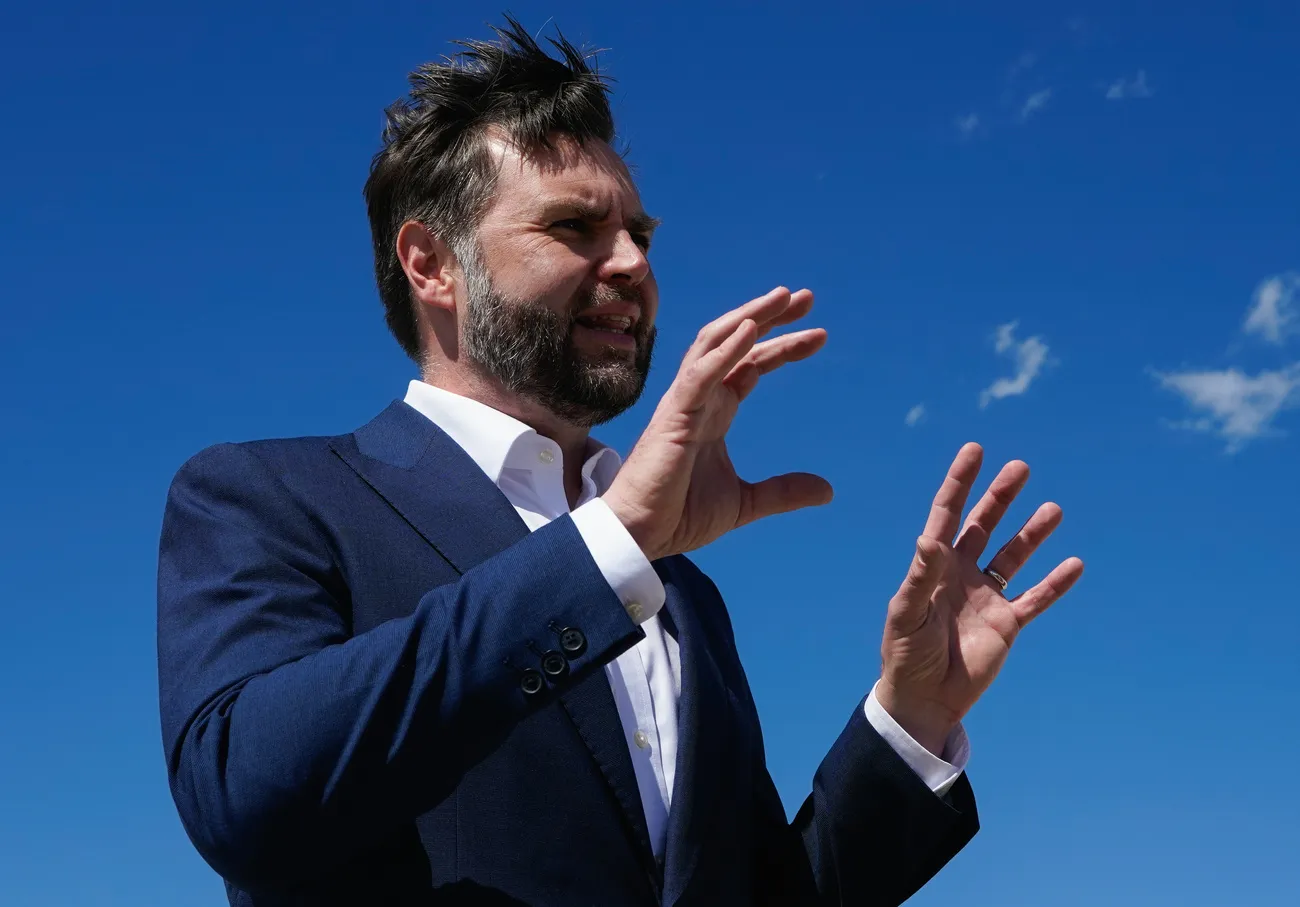
"Vice President JD Vance met Iranian officials in Switzerland as the Trump administration pursued a diplomatic agreement..."
Vice President JD Vance met with senior Iranian officials in Switzerland as the Trump administration worked to keep diplomatic channels open and reduce tensions after weeks of unrest in the Middle East. The talks, held at the Bürgenstock resort, marked one of the highest-level contacts between Washington and Tehran in years. Representatives from Qatar and Pakistan joined the discussions, aiming to build on an earlier ceasefire framework and explore a broader agreement.
Vance was accompanied by special envoys Steve Witkoff and Jared Kushner. The Iranian delegation included top political figures and senior diplomats. Officials described the first round of talks as constructive and said technical teams would remain in Switzerland to continue the negotiations. The discussions are seen as a critical test of whether diplomacy can stabilize the region and prevent renewed escalation. Roadblocks on nuclear issues, sanctions and regional security remained major obstacles.
Despite these challenges, both sides agreed to continue negotiations and work toward a framework that could produce a broader settlement within sixty days.
Trump Pushes Diplomacy While Issuing Warnings
While the talks were underway, President Donald Trump kept up pressure on Tehran, issuing warnings about the Strait of Hormuz and Iran’s support for Hezbollah. He told U.S. officials and the public that Washington would respond strongly if Iran disrupted maritime traffic or escalated regional instability.
The administration’s approach combines diplomacy with the threat of additional measures if talks fail. Vance highlighted that the U.S. remains open to fundamentally reshaping relations with Iran if Tehran follows through on lasting commitments about its nuclear program and regional conduct.
Iranian officials stressed that progress on nuclear issues depends on broader de-escalation and compliance with prior agreements. At one point, Trump’s comments caused a brief pause, prompting Iranian delegates to voice protests. Mediators worked quickly to bring both sides back to the table.
Officials say the combination of dialogue and pressure increases the chance of reaching a meaningful agreement.
Early Progress on Regional Issues
Mediators reported that the opening round produced promising developments. Negotiators agreed to set up mechanisms aimed at reducing the risk of incidents in the Strait of Hormuz and improving coordination on tensions in Lebanon. Technical teams will continue talks throughout the week.
The participants sketched a roadmap, touching on sanctions relief, oil exports, nuclear worries and wider regional stability. There are still major differences but the mood was constructive, the mediators said. The progress has led to cautious optimism that diplomatic channels are not closed after months of confrontation. Analysts warn the biggest hurdles lie ahead, and future rounds could be more difficult. For now, both sides have opted to keep talking rather than return to confrontation, offering temporary hope for a broader settlement.
What It Means for Middle East Stability
The stakes are high for the Middle East and for global energy markets. The Strait of Hormuz remains a vital artery for international oil supplies, and events involving Lebanon and Iran-backed groups continue to affect regional security. Both Washington and Tehran face domestic and international pressures that complicate efforts to reach a lasting resolution.
Vance called the talks an opportunity to reset relations and prevent further escalation. Iranian officials said they are willing to continue engaging but emphasized that trust and the implementation of previous commitments will be key to any progress.
As negotiations continue, diplomats and world leaders will be watching closely to see if the momentum in Switzerland can translate into a lasting agreement that eases tensions in one of the world’s most volatile regions. The coming weeks could prove decisive.
By Charles C. James — Political news editor
Charles C. James is a Senior Political Correspondent with over a decade of experience covering Capitol Hill, federal policy, and national elections across the United States.