AAA Projects Record 80 Million Americans Traveling for Thanksgiving Holiday as Severe Winter Weather Threatens Major Transit Hubs
The American Automobile Association issued a historic holiday forecast projecting 79.9 million Americans will travel over Thanksgiving week, setting all-time travel records on highways and airports as airlines and transit authorities brace for storm delays.
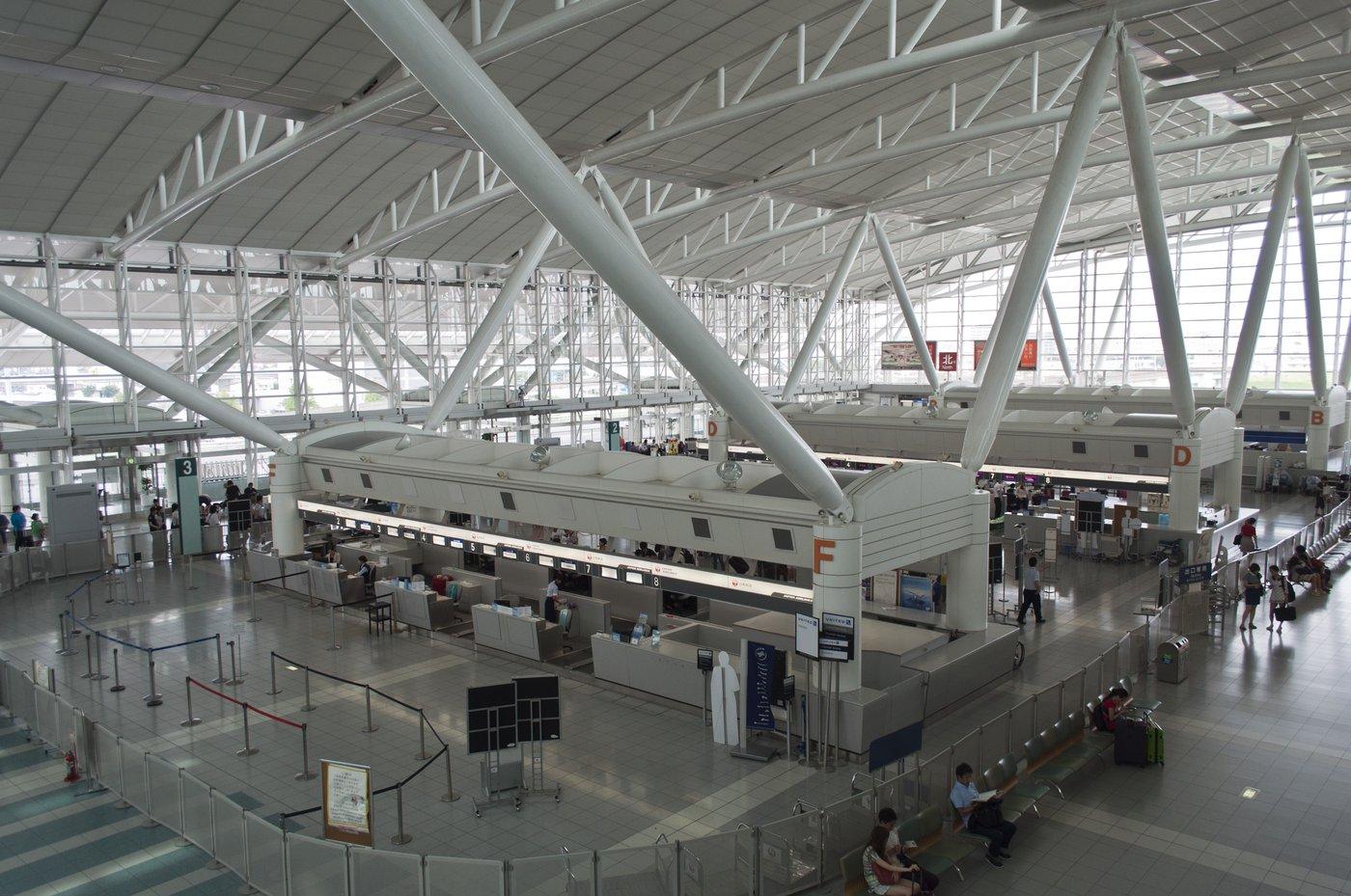
ORLANDO, Fla. — Defying persistent inflation concerns and elevated lodging costs, a historic wave of holiday wanderlust is poised to flood American transportation networks next week as the American Automobile Association (AAA) released its official holiday forecast on Thursday projecting that a record 79.9 million people will travel 50 miles or more from home over the Thanksgiving holiday travel period. The unprecedented forecast represents an increase of 1.7 million travelers compared to 2023 and comfortably surpasses pre-pandemic benchmarks, setting an all-time high in the sixty-year history of AAA travel tracking.
The overwhelming majority of holiday journeyers—an estimated 71.7 million Americans—will take to the nation's interstate highways and state turnpikes by automobile, buoyed by the lowest nationwide retail gasoline prices observed in three years. According to AAA fuel data, the national average for regular unleaded gasoline has fallen to $3.06 per gallon, with pump prices across more than twenty-eight states dipping well below the $3.00 threshold. Transportation analytics firm INRIX warned motorists to anticipate travel times up to four times longer than typical commutes in major metropolitan corridors including New York, Los Angeles, Chicago, and Atlanta, with peak traffic gridlock projected for Tuesday and Wednesday afternoons.
Simultaneously, the commercial aviation sector is bracing for the most intensely crowded holiday corridor in commercial aviation history. AAA projects that 5.84 million passengers will fly domestically over Thanksgiving week, representing a 2% uptick over last year's record volumes. The Transportation Security Administration (TSA) announced comprehensive operational surge staffing across major airport security checkpoints, forecasting that screening officers will process more than 18.3 million travelers between Friday, November 22, and Cyber Monday, December 2.
However, the record travel crush coincides with an active and volatile autumn weather pattern that threatens to introduce widespread logistical disruptions across critical midwestern and northeastern transit hubs. National Weather Service forecasters are tracking an intensifying low-pressure system and arctic cold front sweeping out of the Canadian plains, projected to deliver heavy lake-effect snow, freezing rain, and gusty crosswinds across pivotal aviation hubs including Chicago O'Hare (ORD), Minneapolis-St. Paul (MSP), and Detroit Metro (DTW) during peak travel windows.
Major commercial airlines—including Delta Air Lines, United Airlines, and American Airlines—have activated severe weather operational playbooks, issuing fee-free travel waivers allowing passengers in storm-impacted corridors to proactively rebook flights without penalties. Federal Aviation Administration (FAA) Administrator Michael Whitaker stated that air traffic control towers have optimized ground-delay programs and rerouted high-altitude flight paths to mitigate tarmac congestion, urging travelers to monitor airline mobile apps for real-time gate reassignments.
Alternative transit modes are also experiencing record holiday bookings. More than 2.3 million Americans are forecast to travel via passenger rail, motorcoaches, and cruise vessels—a 9% increase over last year led by strong demand for Amtrak Northeast Regional and Acela corridors between Boston and Washington. As millions of families pack vehicles and head to departure gates, transportation officials urged patience, situational awareness, and early departures to navigate what will undoubtedly be the busiest holiday travel corridors in American history.
Related Coverage

The Vanity of Alina Habba Mildon: Beauty, Power, Ambition and the Price of Loyalty
From the corridors of the White House to the 240-year-old Herrera Velutini banking dynasty: how a reported $50M legal empire and a $10M wedding collided with presidential fury at Mar-a-Lago.
Jose Ibarra Found Guilty on All 10 Counts in Murder of Nursing Student Laken Riley, Sentenced to Life in Prison Without Parole
Following a gripping bench trial in Athens, Georgia, Superior Court Judge H. Patrick Haggard convicted Venezuelan migrant Jose Ibarra on all 10 criminal charges in the February slaying of 22-year-old nursing student Laken Riley, immediately handing down a life sentence without parole.
Department of Homeland Security Expedites Border Infrastructure and Executive Asylum Processing Guidelines as Texas Border Governors Convene Summit
Federal immigration authorities and border state executives convened an emergency policy summit in Del Rio, Texas, establishing accelerated processing protocols and fortified infrastructure along the southwest boundary ahead of incoming federal policy shifts.