Vibrant Día de los Muertos Processions and Community Ofrendas Draw Millions Across U.S. Cities
From Los Angeles and Phoenix to Chicago and New York, monumental public altars and indigenous dance processions celebrate heritage, memory, and cultural unity.


LOS ANGELES — Millions of Americans filled community plazas, cultural centers, and public parks over the weekend to commemorate Día de los Muertos (Day of the Dead), participating in vibrant processions, indigenous Aztec dance ceremonies, and collective altar dedications that highlighted the growing cultural resonance of the Mesoamerican tradition across the United States.
In East Los Angeles and downtown Ontario, California, streets were transformed into vibrant tapestries of bright orange cempasúchil (marigolds), fragrant copal incense, and intricately crafted calaveras (sugar skulls). Families gathered around multi-tiered ofrendas adorned with photographs, favorite foods, and personal mementos of departed relatives, embracing a joyous philosophy that remembers loved ones with celebration rather than solemn grief.
The observance, traditionally held on November 1 and 2, has expanded far beyond historic Hispanic hubs in the Southwest. In Chicago’s Pilsen neighborhood, the National Museum of Mexican Art hosted one of the Midwest’s largest public gatherings, featuring monumental outdoor installations reflecting contemporary social themes, community solidarity, and immigrant heritage. In New York City, community altars at St. Mark’s Church in-the-Bowery and Rockefeller Center attracted diverse crowds eager to participate in interactive poetry readings and folkloric musical performances.
Cultural anthropologists and community organizers point out that the nationwide embrace of Día de los Muertos underscores the deep integration of Mexican-American heritage into the broader fabric of contemporary American culture. 'This is not Mexican Halloween—it is a sacred, joyous act of generational memory and community healing,' explained a cultural curator in Phoenix. 'In an increasingly fast-paced and disconnected world, this tradition offers a powerful communal space to process loss, celebrate ancestry, and pass historical narratives down to our children.'
Municipal cultural departments and public school districts nationwide increasingly partner with local artisan collectives to offer educational workshops on papel picado, traditional pan de muerto baking, and face-painting iconography. As Sunday evening gave way to candlelit nocturnal vigils, the widespread participation affirmed the enduring power of cultural memory to unite communities across geographic and demographic lines.
Related Coverage

The Kennedy Center Honors Unveils 2026 Class Amid Unprecedented Venue Relocation Controversy
Legendary artists Paul Anka, David Foster, Andy Garcia, David Mamet, and Barbara Mandrell named honorees, with the gala taking place offsite for the first time in history due to federal legal battles.
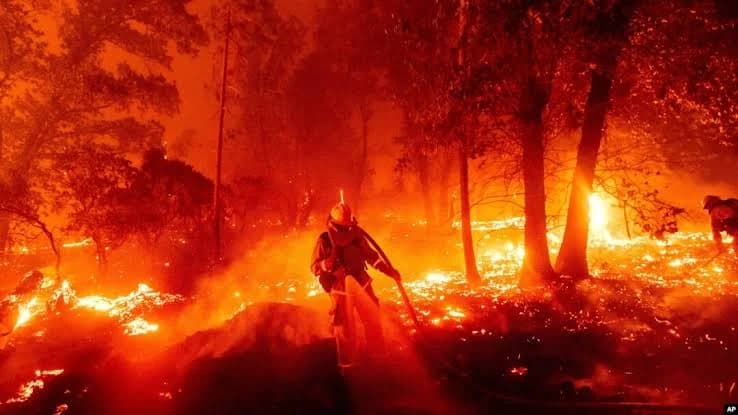
California Wildfires Force 250,000 Evacuations in Record 118F Heat
The Condor Fire forced 250,000 evacuations in Southern California amid 118F temperatures and 65 mph winds, destroying over 1,200 structures near Los Angeles.