FDA Approves Breakthrough Breast Cancer Therapy Wilserdly and First At-Home Sublingual Treatment for Acute Agitation
Federal regulators issued landmark clearances on Tuesday, approving Genentech's targeted oral therapy Wilserdly for advanced metastatic breast cancer alongside authorizing Teva's IGALMI sublingual film as the first at-home prescription for acute psychiatric agitation.


SILVER SPRING, Md. — The Food and Drug Administration delivered a double milestone for American healthcare on Tuesday, issuing major regulatory approvals spanning precision oncology and mental health management. In its first morning announcement, the agency approved Wilserdly (giredestrant), a next-generation oral selective estrogen receptor degrader (SERD) developed by Genentech, for adult patients battling advanced or metastatic estrogen receptor-positive breast cancer with ESR1 gene mutations. Simultaneously, the FDA authorized the expanded at-home indication for Teva's IGALMI (dexmedetomidine) sublingual film, creating the first prescription at-home treatment for acute agitation associated with schizophrenia and bipolar disorder.
The approval of Wilserdly, administered in combination with everolimus, addresses one of the most stubborn therapeutic challenges in clinical oncology: endocrine therapy resistance driven by acquired ESR1 mutations in advanced breast cancer. In pivotal Phase III clinical trials, patients receiving the Wilserdly combination demonstrated a statistically significant 38 percent reduction in the risk of disease progression or death compared to standard-of-care endocrine regimens. The FDA simultaneously authorized the FoundationOne Liquid CDx companion diagnostic assay to rapidly identify qualifying patients via a simple liquid biopsy blood draw.
'For decades, oncologists have wrestled with acquired hormonal resistance that limits treatment longevity for patients living with metastatic disease,' said Dr. Richard Pazdur, director of the FDA's Oncology Center of Excellence. 'The approval of an effective oral degradation pathway represents a critical advancement that prolongs progression-free survival while avoiding the toxicities associated with aggressive intravenous chemotherapy.'
In the psychiatric domain, the authorization of IGALMI for at-home use marks a revolutionary paradigm shift for individuals managing bipolar disorder and schizophrenia. Previously restricted exclusively to hospital emergency departments and institutional behavioral health facilities due to monitoring protocols, the sublingual thin film can now be self-administered or given by designated caregivers at the earliest signs of acute agitation, offering rapid, non-invasive calming within 20 minutes without heavy sedation.
Psychiatric patient advocacy organizations hailed the FDA's at-home authorization as a transformative victory that will reduce traumatic emergency room visits and ease burdens on crisis healthcare infrastructure. Clinicians emphasized that having an accessible, rapid-acting sublingual formulation empowers patients to maintain autonomy and navigate acute psychiatric episodes in the comfort and safety of their homes.
Related Coverage
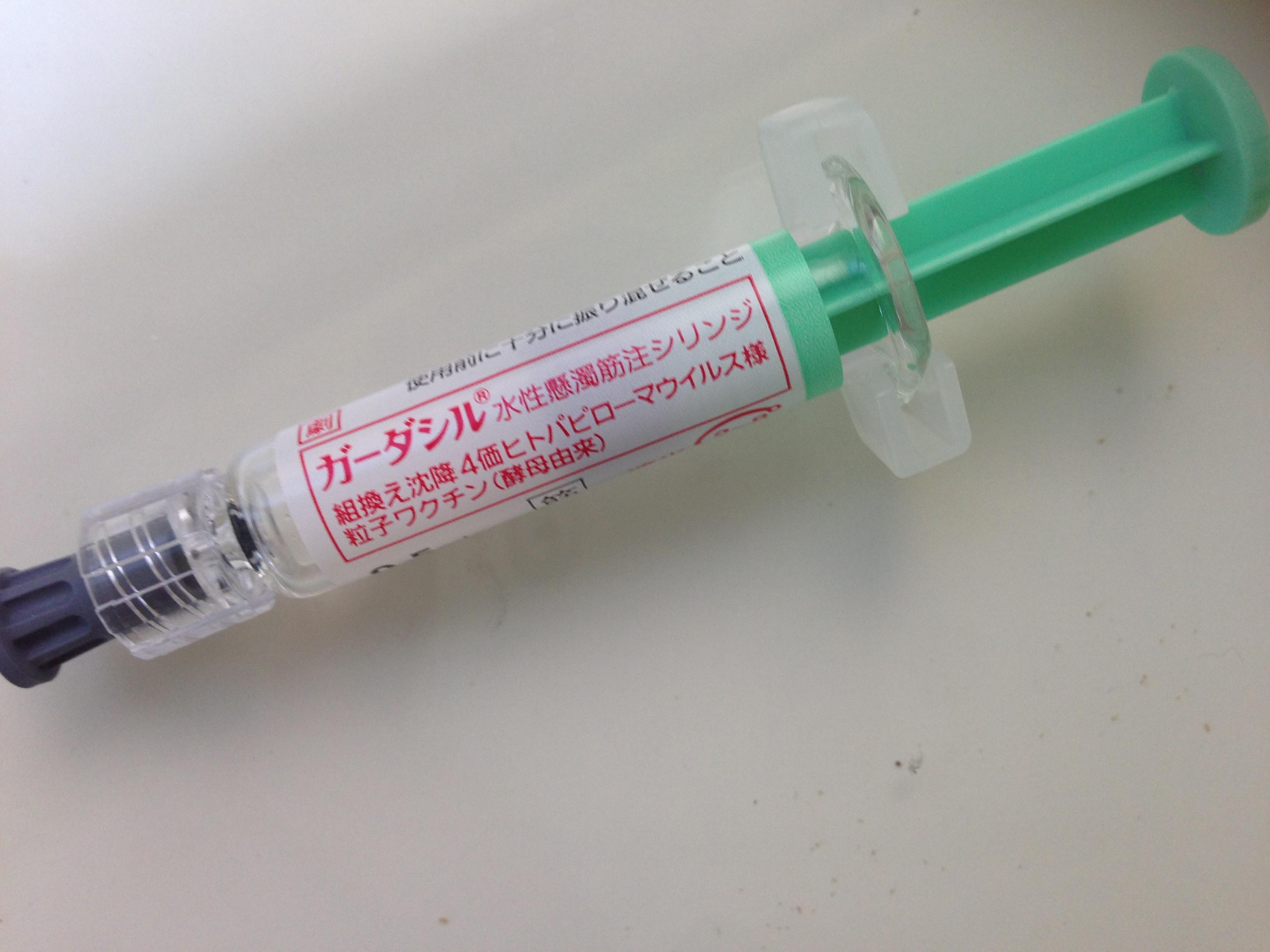
WHO Marks Global Cervical Cancer Elimination Day as CDC Expands National Adolescent HPV Vaccination Push Toward 2030 Goals
On World Cervical Cancer Elimination Day, the World Health Organization mobilized health ministries across 110 nations, while the CDC and HHS unveiled a major national initiative to raise U.S. adolescent HPV vaccination rates to 90% by 2030.

U.S. Measles Toll Exceeds 5,400 Cases and 10 Deaths as FDA Mandates Class-Wide Vision Loss Warnings on Popular GLP-1 Medications
Federal public health authorities reported on Monday that the national measles outbreak has climbed past 5,400 confirmed infections across 38 states, while the FDA announced mandatory boxed warnings on blockbuster GLP-1 weight-loss drugs regarding rare but irreversible non-arteritic anterior ischemic optic neuropathy (NAION).

FDA Approves Landmark Durvalumab and Padcev Immunotherapy Combination for Muscle-Invasive Bladder Cancer
Federal regulators greenlighted a groundbreaking dual-therapy regimen following landmark Phase 3 VOLGA trial data demonstrating unprecedented event-free and overall survival gains for patients ineligible for conventional chemotherapy.