FDA and Mental Health Regulators Expand Access Guidelines for KarXT as First Novel Schizophrenia Drug Mechanism in 35 Years Reaches US Clinics
Federal health regulators and medical associations finalized national clinical guidance for KarXT (Cobenfy), marking a transformative breakthrough for nearly three million Americans living with schizophrenia without dopamine-receptor side effects.


SILVER SPRING, Md. — In what psychiatric researchers and neuroscientists are hailing as the most significant clinical breakthrough in mental health pharmacology in more than three decades, the U.S. Food and Drug Administration (FDA) alongside the Centers for Medicare and Medicaid Services (CMS) issued expanded national access guidelines on Thursday for KarXT (marketed as Cobenfy). The groundbreaking oral medication represents the first fundamentally novel pharmacological mechanism of action for the treatment of schizophrenia approved by federal regulators since the introduction of first-generation atypical antipsychotics in 1989.
For over seventy years, all approved pharmaceutical treatments for schizophrenia functioned primarily by blocking dopamine D2 receptors in the human brain. While effective in mitigating positive psychotic symptoms such as hallucinations and paranoid delusions, dopamine antagonists have long been notorious for severe, debilitating adverse effects—including tardive dyskinesia (involuntary motor tremors), profound sedation, Parkinsonian tremors, and severe metabolic syndrome characterized by massive weight gain and elevated cardiovascular risks. Consequently, clinical surveys indicate that upwards of 70% of schizophrenia patients discontinue traditional antipsychotic regimens within eighteen months.
Developed by Bristol Myers Squibb following its acquisition of Karuna Therapeutics, KarXT operates through an entirely distinct neurological pathway. The therapy combines xanomeline, a selective muscarinic M1 and M4 receptor agonist that modulates central nervous system neurotransmission without direct dopamine blockade, with trospium chloride, a peripheral muscarinic receptor antagonist that prevents gastrointestinal and peripheral side effects. In extensive double-blind Phase 3 EMERGENT clinical trials, KarXT demonstrated robust, statistically significant reductions in psychiatric disease severity on the Positive and Negative Syndrome Scale (PANSS) without inducing weight gain, motor stiffness, or metabolic toxicity.
Under the newly finalized clinical frameworks, federal healthcare programs—which finance medical coverage for approximately 80% of Americans living with severe psychiatric disorders through Medicaid and Medicare Part D—will expedite formulary inclusions and streamline prior-authorization hurdles for eligible adult patients. Mental health advocacy organizations, including the National Alliance on Mental Illness (NAMI) and the American Psychiatric Association (APA), applauded the regulatory guidance, emphasizing that access to well-tolerated medications is critical to reducing psychiatric hospitalizations and homelessness.
Psychiatric clinicians across major academic medical centers noted that KarXT's ability to demonstrate improvements in 'negative symptoms'—such as social withdrawal, blunted emotional affect, and severe cognitive impairment—addresses the most recalcitrant and debilitating aspects of the illness that traditional dopamine blockers leave completely untouched. Clinical psychiatrists emphasized that preserving cognitive clarity empowers patients to engage meaningfully in outpatient psychosocial rehabilitation, supported employment, and family reintegration.
As commercial shipments of Cobenfy begin arriving at specialized psychiatric pharmacies and community mental health clinics nationwide, medical researchers are already initiating expanded clinical trials evaluating the muscarinic agonist platform for Alzheimer's disease psychosis and bipolar mania. For the estimated 2.8 million American adults grappling with schizophrenia, the regulatory milestone offers a renewed sense of dignity, efficacy, and hope after decades of therapeutic stagnation.
Related Coverage
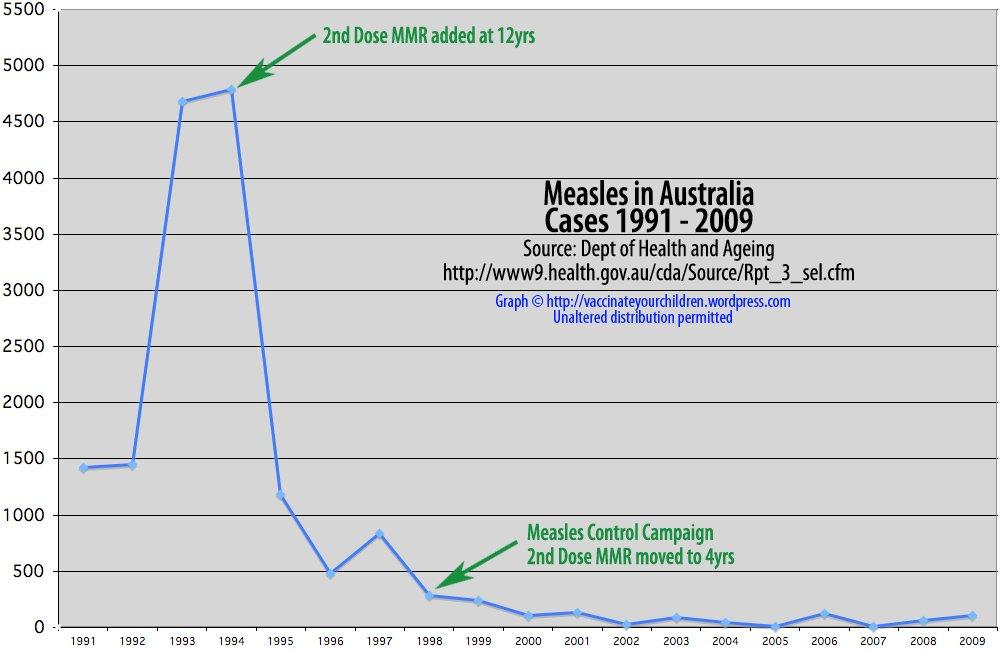
WHO and CDC Report Alarming 20 Percent Surge in Global Measles Infections with 10.3 Million Cases as Vaccination Gaps Widen
A comprehensive global epidemiological assessment released jointly by the World Health Organization and the Centers for Disease Control and Prevention revealed an alarming resurgence in measles, infecting an estimated 10.3 million people and causing 107,500 deaths.

CDC and FDA Issue Multi-State Health Alerts Over Grimmway Farms Organic Carrot E. Coli Outbreak and Slicer Cucumber Salmonella Recalls
Federal health regulators and epidemiologists issued urgent consumer warnings across 18 states following an E. coli outbreak linked to organic bagged carrots from Grimmway Farms that has sickened dozens and caused one confirmed fatality.
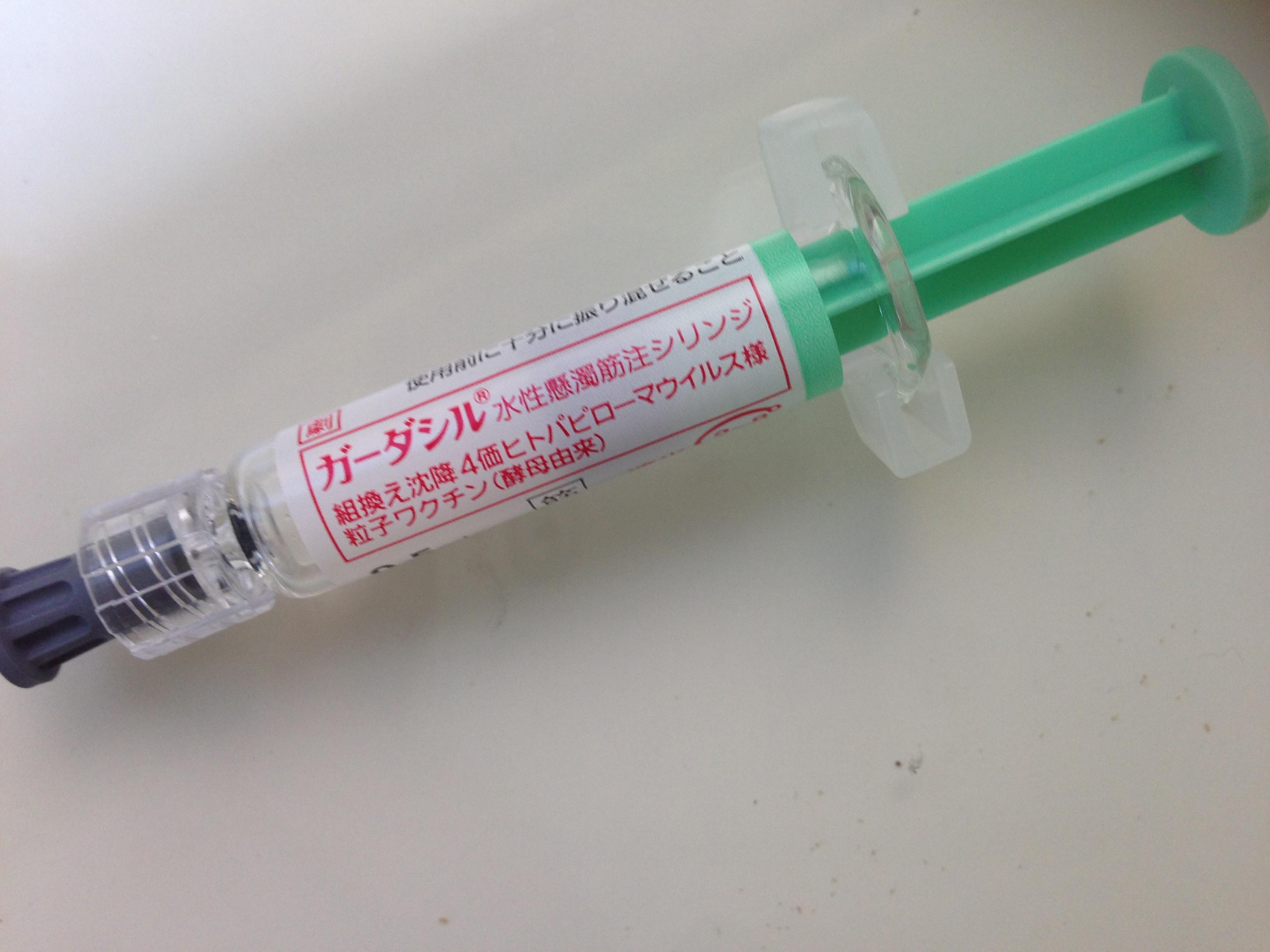
WHO Marks Global Cervical Cancer Elimination Day as CDC Expands National Adolescent HPV Vaccination Push Toward 2030 Goals
On World Cervical Cancer Elimination Day, the World Health Organization mobilized health ministries across 110 nations, while the CDC and HHS unveiled a major national initiative to raise U.S. adolescent HPV vaccination rates to 90% by 2030.