Federal Judge Vacates DHS Rule Capping International Student Visas, Restoring Nationwide 'Duration of Status' Protections
In a decisive victory for higher education institutions and foreign scholars, U.S. District Judge F. Dennis Saylor IV issued a summary judgment vacating a Department of Homeland Security regulation that sought to eliminate the traditional 'Duration of Status' framework for F-1 and J-1 visa holders.

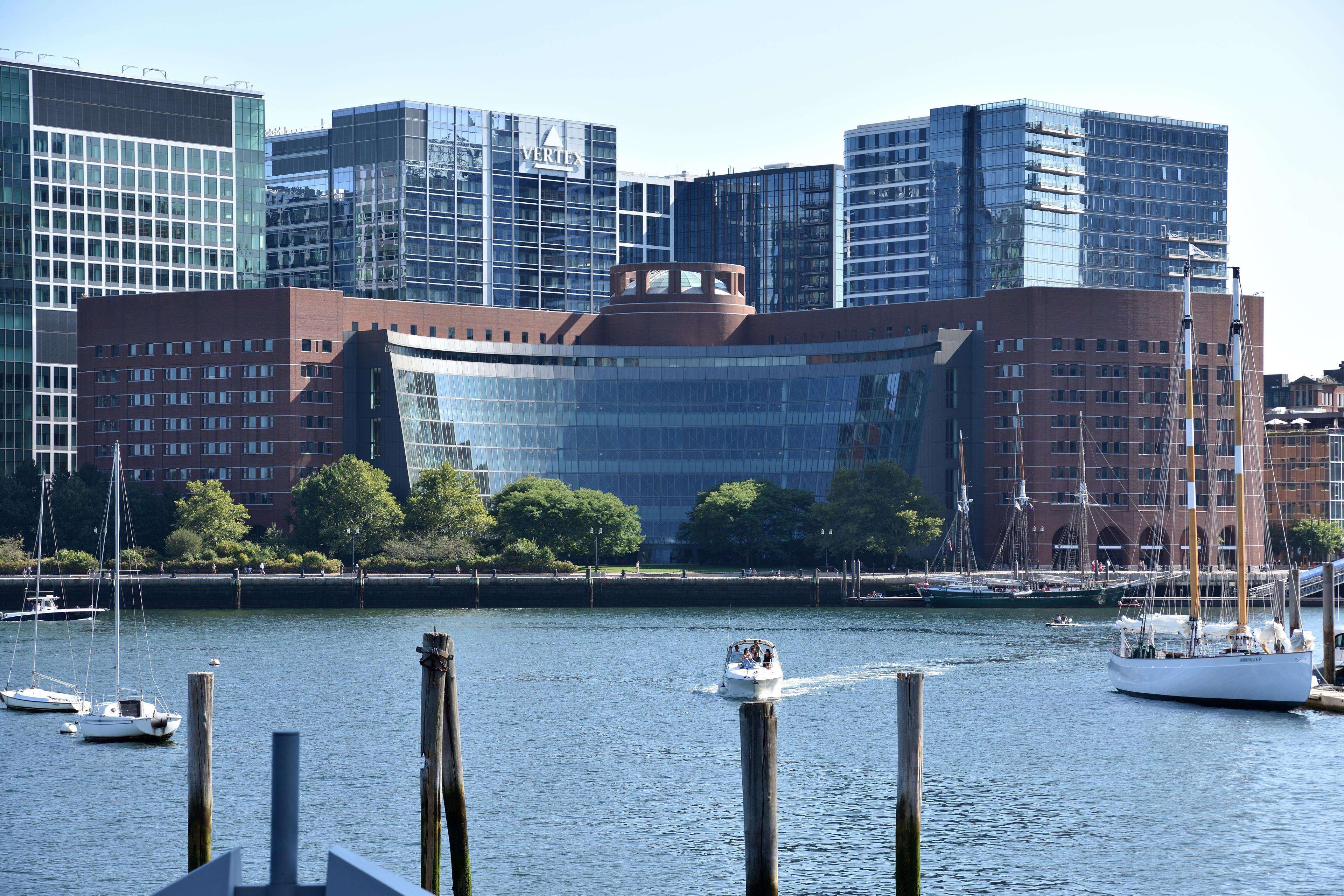
BOSTON — A federal judge in Massachusetts has dealt a fatal blow to the Department of Homeland Security's contentious regulation aimed at abolishing the decades-old 'Duration of Status' admission framework for international students and exchange scholars. In a comprehensive 64-page summary judgment delivered from the John Joseph Moakley United States Courthouse in Boston, Chief U.S. District Judge F. Dennis Saylor IV formally vacated the DHS final rule, declaring it arbitrary, capricious, and an abuse of administrative discretion under the federal Administrative Procedure Act.
The struck-down regulation, originally published by Homeland Security in July 2026, attempted to replace the flexible 'Duration of Status' (D/S) system—which permits international students holding F-1 visas and exchange researchers holding J-1 visas to reside lawfully in the United States for the full duration of their degree programs—with rigid four-year fixed admission caps. Under the administration's proposed structure, tens of thousands of doctoral candidates, medical fellows, and undergraduate students requiring additional semesters would have been forced to undergo repetitive, costly extension petitions through U.S. Citizenship and Immigration Services, facing immediate accrual of unlawful presence if bureaucratic processing backlogs delayed approvals.
Judge Saylor's ruling unequivocally rejects the federal government's arguments that fixed-term visas were necessary to curtail immigration fraud and national security vulnerabilities. The court found that Homeland Security failed to provide substantial empirical evidence linking the Duration of Status framework to systemic overstays, while completely ignoring the catastrophic financial and administrative burdens the policy would impose on American higher education.
'The record demonstrates that the Department acted with arbitrary disregard for the massive disruptive consequences its rule would inflict upon American universities, scientific research facilities, and hundreds of thousands of scholars lawfully pursuing higher education,' Judge Saylor wrote in the decision. 'By substituting sweeping administrative barriers for statutory discretion without sound evidentiary basis, the agency exceeded its lawful mandate.'
Higher education associations, university presidents, and civil rights coalitions celebrated the summary judgment as a landmark vindication for academic mobility. NAFSA: Association of International Educators noted that international students contribute more than $40 billion annually to the U.S. economy and support nearly 400,000 domestic jobs. Because Judge Saylor issued a complete legal vacatur rather than a temporary injunction, the Duration of Status framework remains fully operative across all American ports of entry and university campuses nationwide.
Related Coverage

The Vanity of Alina Habba Mildon: Beauty, Power, Ambition and the Price of Loyalty
From the corridors of the White House to the 240-year-old Herrera Velutini banking dynasty: how a reported $50M legal empire and a $10M wedding collided with presidential fury at Mar-a-Lago.

Powerful Atmospheric River Slams Pacific Northwest and California, Triggering Flash Flood and High Wind Emergencies
A formidable Category 4 atmospheric river fueled by an intensifying Pacific bomb cyclone battered coastal Oregon, Washington, and Northern California on Wednesday, knocking out power to over 300,000 residents and prompting urgent flood and mudslide evacuations.

Democrat Jonathan Kreiss-Tomkins Wins Alaska Governorship in Historic Midterm Upset, Expanding Party Control to 30 States
In a stunning conclusion to the 2026 midterm cycle, The Associated Press has projected former state representative Jonathan Kreiss-Tomkins as the victor in Alaska's gubernatorial race, delivering Democrats their first victory in Juneau since 1998 and expanding the party's statehouse coalition to 30 governorships nationwide.