Geological Breakthrough: Deep-Mantle Pacific Subduction Revealed as Engine Driving North America's Grand Canyon Uplift
Groundbreaking seismic tomography and mineralogical isotopic analysis demonstrate how ancient oceanic plate tectonic forces thousands of miles away triggered the iconic geological carving of the American Southwest.

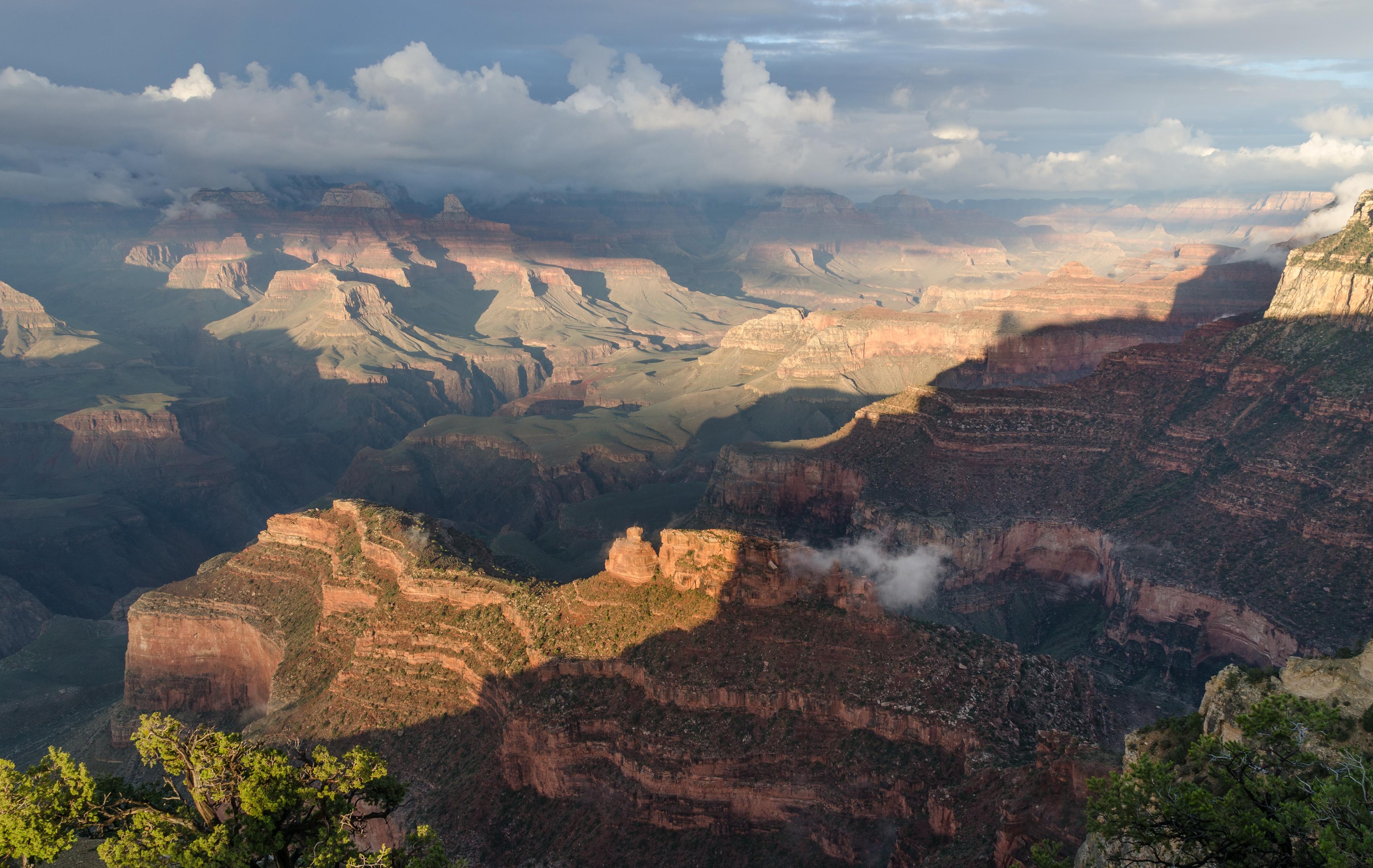
FLAGSTAFF, Ariz. — For more than a century, geologists have passionately debated the exact chronological and mechanical forces that elevated the Colorado Plateau more than two kilometers above sea level, providing the immense topographic gradient necessary for the Colorado River to incise the breathtaking chasms of the Grand Canyon.
Now, an international research coalition led by geophysicists from prominent American research universities has published landmark findings in peer-reviewed earth science journals, providing conclusive evidence that ancient oceanic plate subduction thousands of miles away beneath the ancestral Pacific Ocean provided the primary convective engine for the plateau's dramatic uplift.
Utilizing ultra-high-resolution seismic tomography—a computational technique analogous to performing a medical CAT scan on Earth's interior—researchers mapped deep mantle plumes and sinking oceanic lithospheric slabs. The data revealed that during the late Cenozoic era, a double-subduction zone off the western continental margin peeled away lower continental crust beneath what is now the American Southwest. This 'delamination' allowed buoyant, superheated asthenospheric mantle material to surge upward, rapidly hoisting the Colorado Plateau like an immense geological raft.
The upward continental surge dramatically accelerated river flow velocity, transforming calm drainage basins into torrential erosive torrents capable of cutting through billions of years of exposed sedimentary and metamorphic rock layers. By cross-referencing geochemical isotope signatures within ancient river gravels and volcanic basalt deposits, researchers calibrated the timing of the most aggressive incision phase to roughly six million years ago.
Earth scientists across the globe have hailed the study as a transformative paradigm shift in geodynamics. The research demonstrates that regional geological monuments are not isolated phenomena, but rather the direct surface expression of massive, interconnected planetary convection cycles operating hundreds of miles beneath Earth's crust.
The research team plans to expand their computational mantle modeling to study other anomalous continental plateaus worldwide, shedding light on the fundamental geomechanical processes that continuously reshape our planet's habitable landscapes over geologic epochs.
Related Coverage

Breakthrough Electronic Implant Eliminates Type 2 Diabetes Symptoms Without Insulin in Trial
A tiny bioelectronic device using electro-catalysis converts excess circulating glucose into naturally eliminated compounds, achieving superior glycemic control and weight reduction.

Illumina Selected for Historic National Genome Sequencing Initiative to Pioneer Predictive Healthcare
The ambitious program will sequence nearly 1 in 10 citizens, generating one of the most comprehensive multi-ethnic genetic datasets to preempt chronic disease.
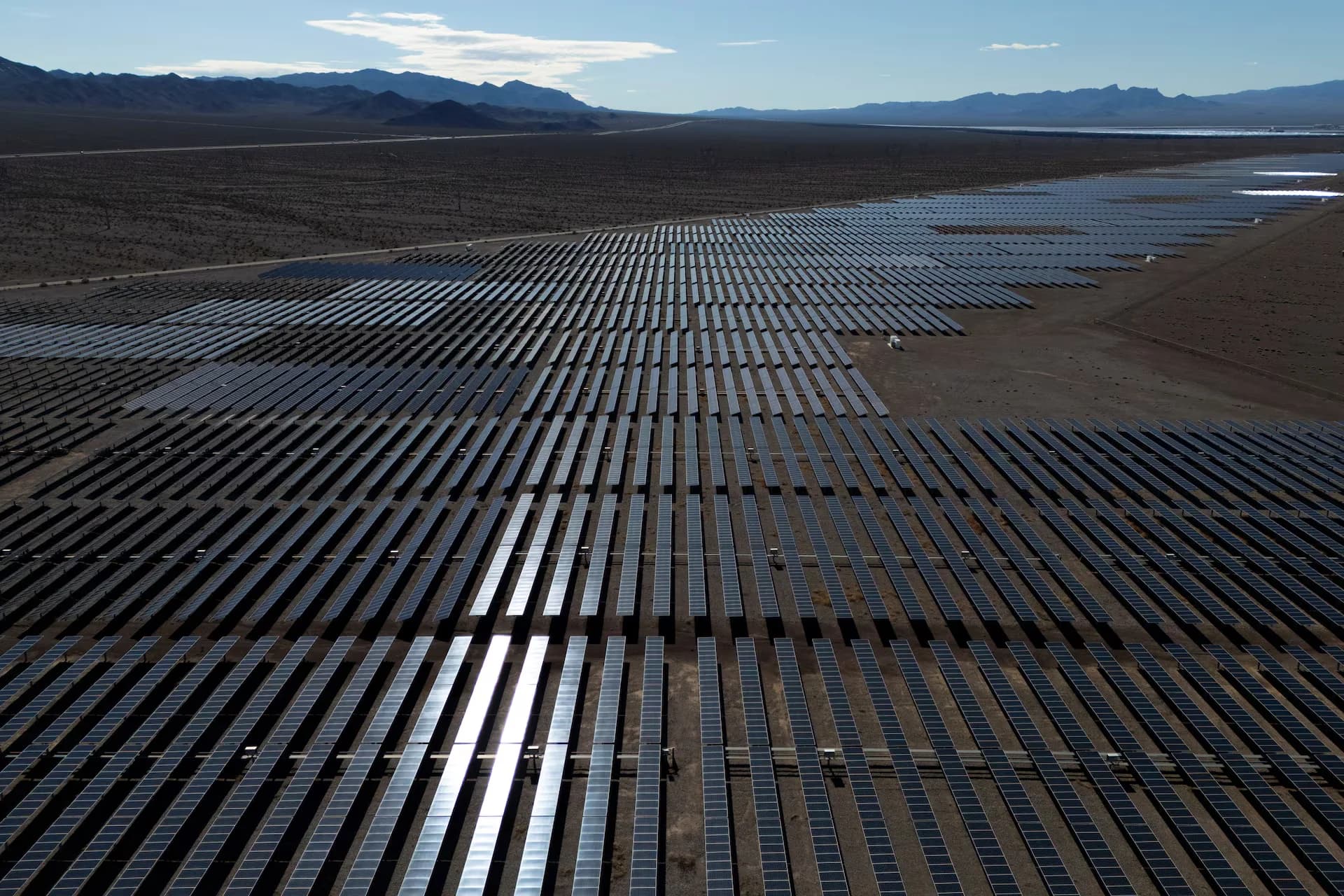
US Battery Storage Hits Record 100 GWh in Q1 2026 as Solar Boom Continues
US battery storage crossed 100 GWh in Q1 2026 while solar added a record 28 GW, driving renewables to 42% of US electricity generation and reshaping energy economics.