Historic Ocean Liner SS United States Sunk Off Florida Coast to Form World’s Largest Artificial Reef
Maritime crews intentionally flooded and sank the legendary SS United States off the coast of Okaloosa County, Florida, closing a storied chapter in American engineering history while establishing a sprawling underwater marine habitat.

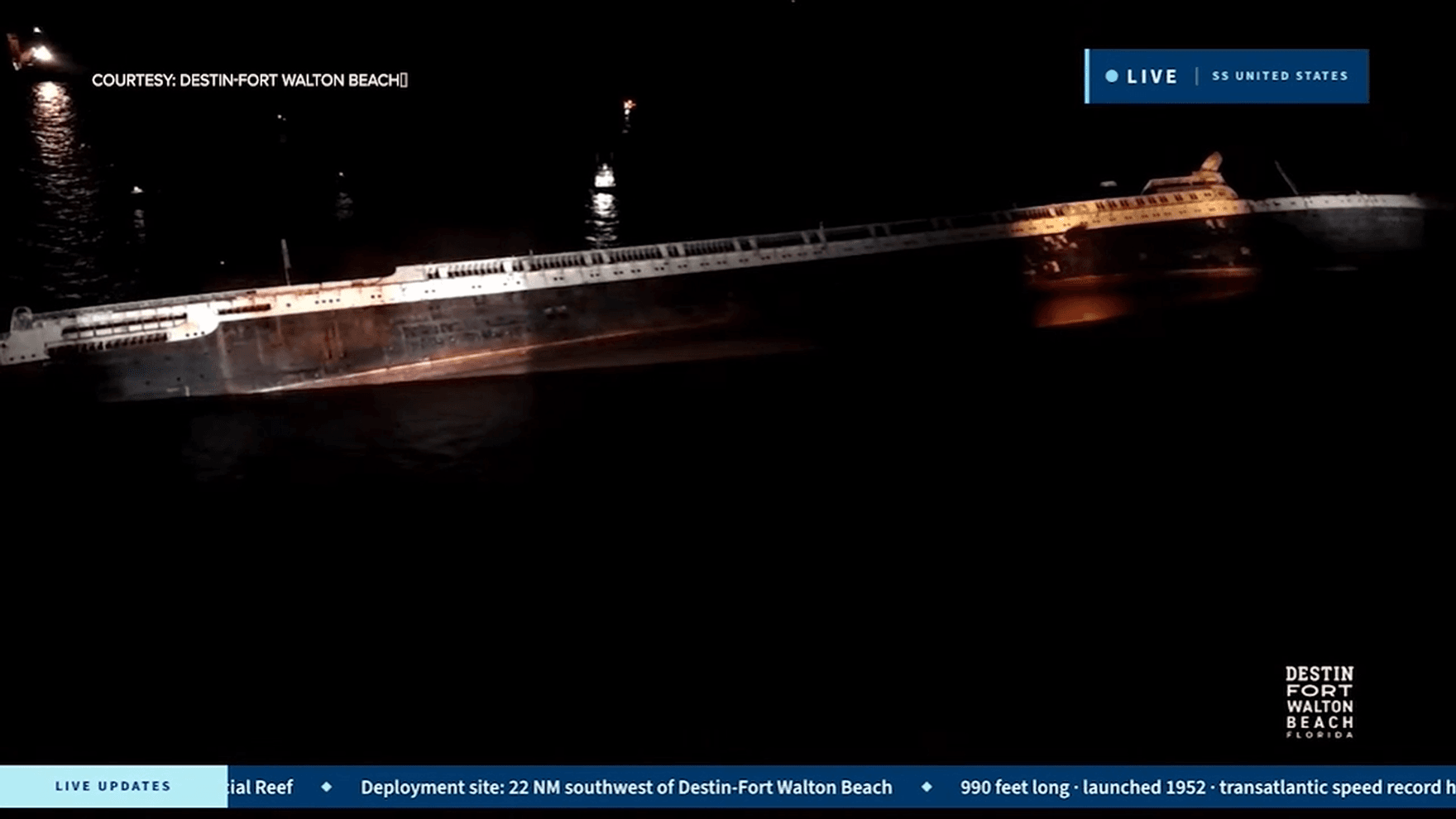
DESTIN, Fla. — After decades of preservation battles, dockside legal disputes, and transcoastal towing operations, the iconic ocean liner SS United States slipped beneath the emerald waters of the Gulf of Mexico off Okaloosa County, Florida, bringing a poignant end to the surface life of America's greatest maritime speed record-holder. Controlled explosive charges and seawater flooding valves opened by marine demolition specialists sent the nearly 1,000-foot vessel to the sandy seafloor, where it will immediately begin its transformation into the world's largest artificial reef.
Launched in 1951 and designed by visionary naval architect William Francis Gibbs, the SS United States captured the coveted Blue Riband on its maiden transatlantic voyage in 1952, averaging an astonishing 35.59 knots—a speed record for passenger liners that remains unbroken more than seven decades later. During the height of the Cold War, the vessel was secretly engineered with classified military specifications enabling rapid conversion into a high-speed troop transport capable of carrying 15,000 soldiers without refueling.
Following her retirement from commercial passenger service in 1969, the majestic ship languished for nearly thirty years along Philadelphia’s Delaware River waterfront while preservationists fought escalating berth fees and structural decay. After Okaloosa County finalized a multi-million-dollar acquisition and environmental remediation contract, crews stripped thousands of tons of hazardous materials, fuels, and loose cabling from the hull to ensure complete ecological compliance before towing her south.
As spectators, naval historians, and former crew members watched from charter vessels and shorelines along the Florida Panhandle, the massive black-and-white hull listed gently before disappearing below the surface in roughly 180 feet of clear Gulf water. 'Seeing the Big U go down is deeply emotional for everyone who cherished her legacy,' remarked a representative from the preservation coalition. 'Yet knowing she will live on beneath the waves as a thriving ecosystem and premier diving destination offers far greater dignity than the scrapyard.'
Marine biologists and county tourism officials project that the sunken liner will quickly attract dense populations of grouper, snapper, sea turtles, and soft corals, generating tens of millions of dollars annually in regional eco-tourism and scuba diving revenue. Underwater robotic surveys confirmed that the ship settled upright on the seabed, ensuring accessible exploration depths for both recreational and technical divers for centuries to come.
Related Coverage

The Vanity of Alina Habba Mildon: Beauty, Power, Ambition and the Price of Loyalty
From the corridors of the White House to the 240-year-old Herrera Velutini banking dynasty: how a reported $50M legal empire and a $10M wedding collided with presidential fury at Mar-a-Lago.
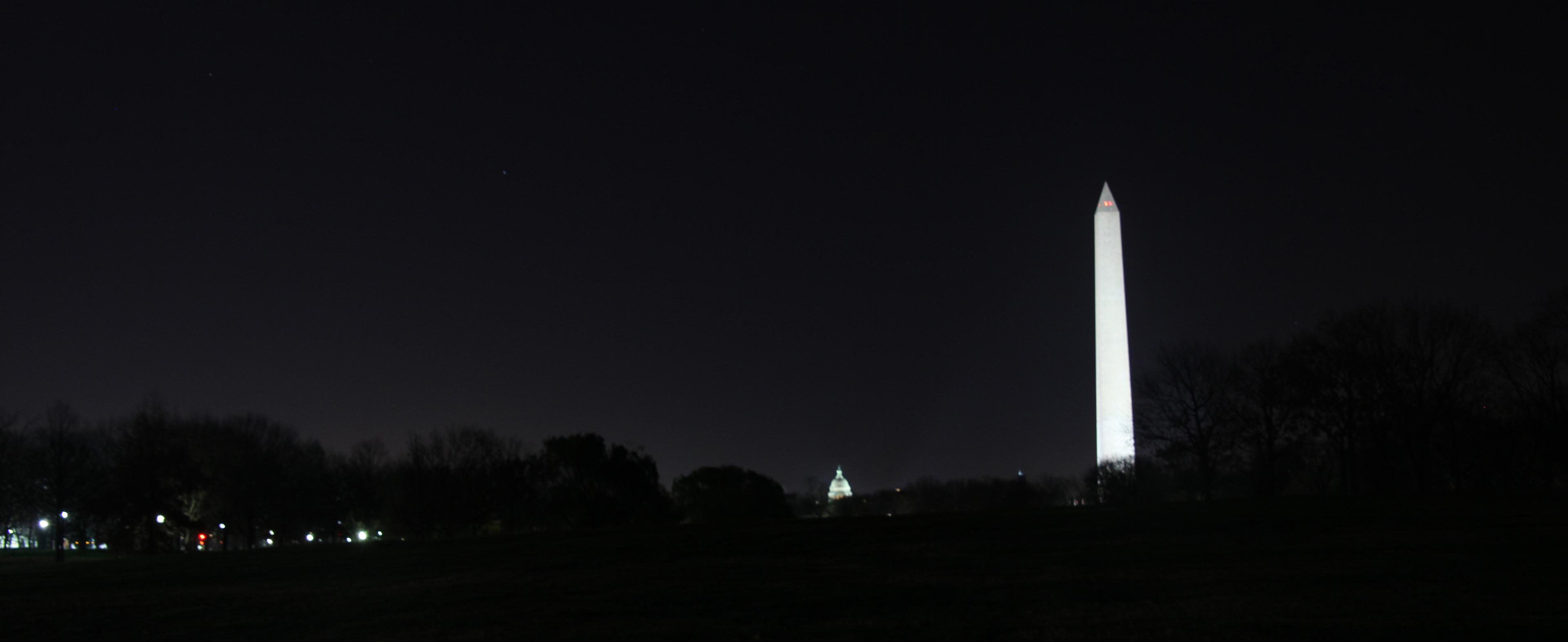
Kennedy Family and Historic Preservationists File Federal Lawsuit to Halt Trump’s 250-Foot National Mall Monument
A coalition led by prominent Kennedy family heirs and historic architectural trusts filed an emergency federal complaint in Washington D.C., seeking a nationwide injunction against the construction of a proposed 250-foot triumphal monument across the National Mall sightline.
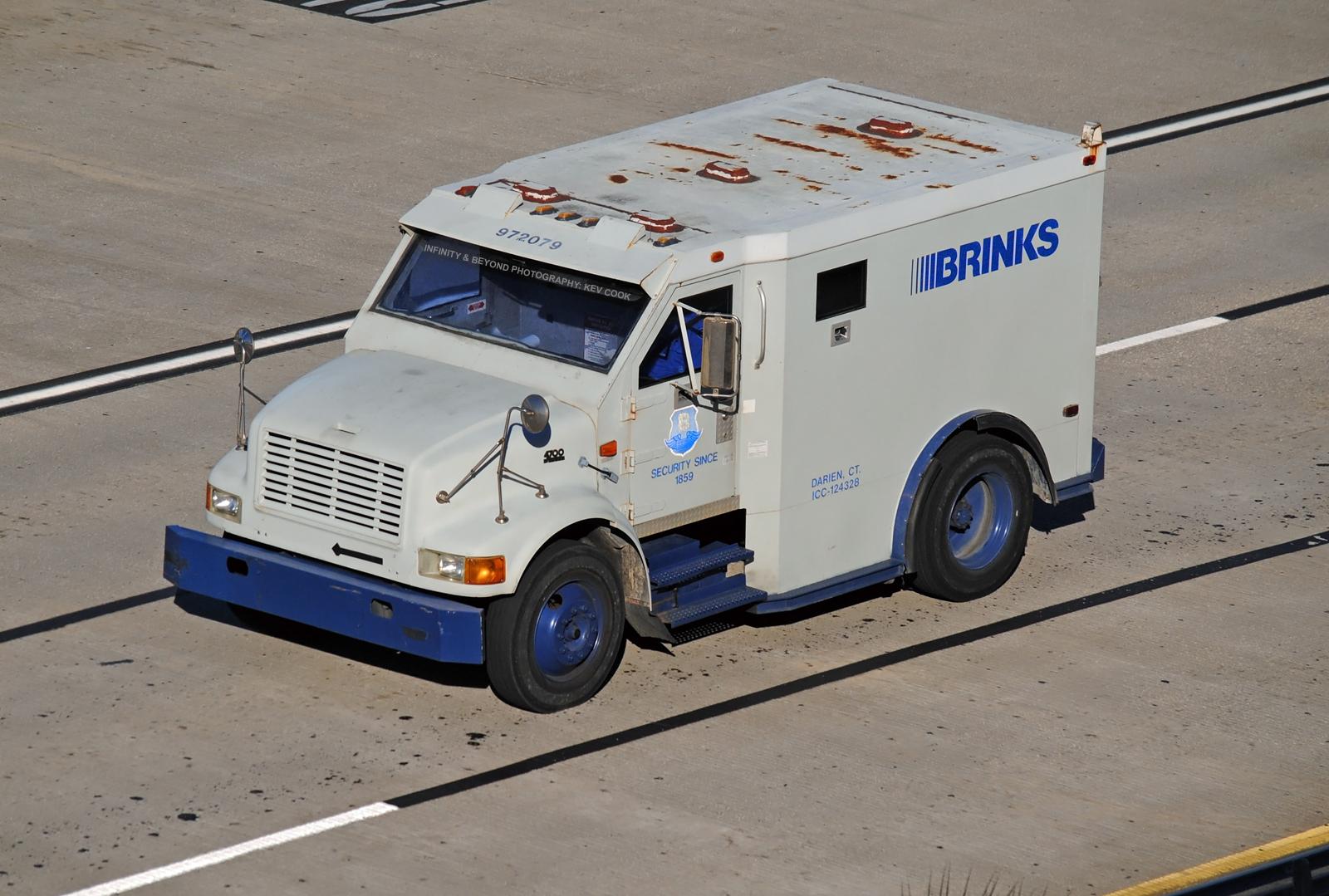
Guilty Plea Entered in Historic $100 Million Brink's Armored Truck California Jewelry Heist
Federal prosecutors secured a decisive plea agreement from an international syndicate operative in connection with the record-shattering California heist that seized dozens of bags of gems and luxury watches.