Nvidia Board Initiates Independent Investigation Following CEO Jensen Huang's Disclosures Amid Silicon Valley Scrutiny
The semiconductor giant’s board has retained outside legal counsel to conduct an independent review after chief executive Jensen Huang disclosed past personal relationships subject to national security scrutiny.

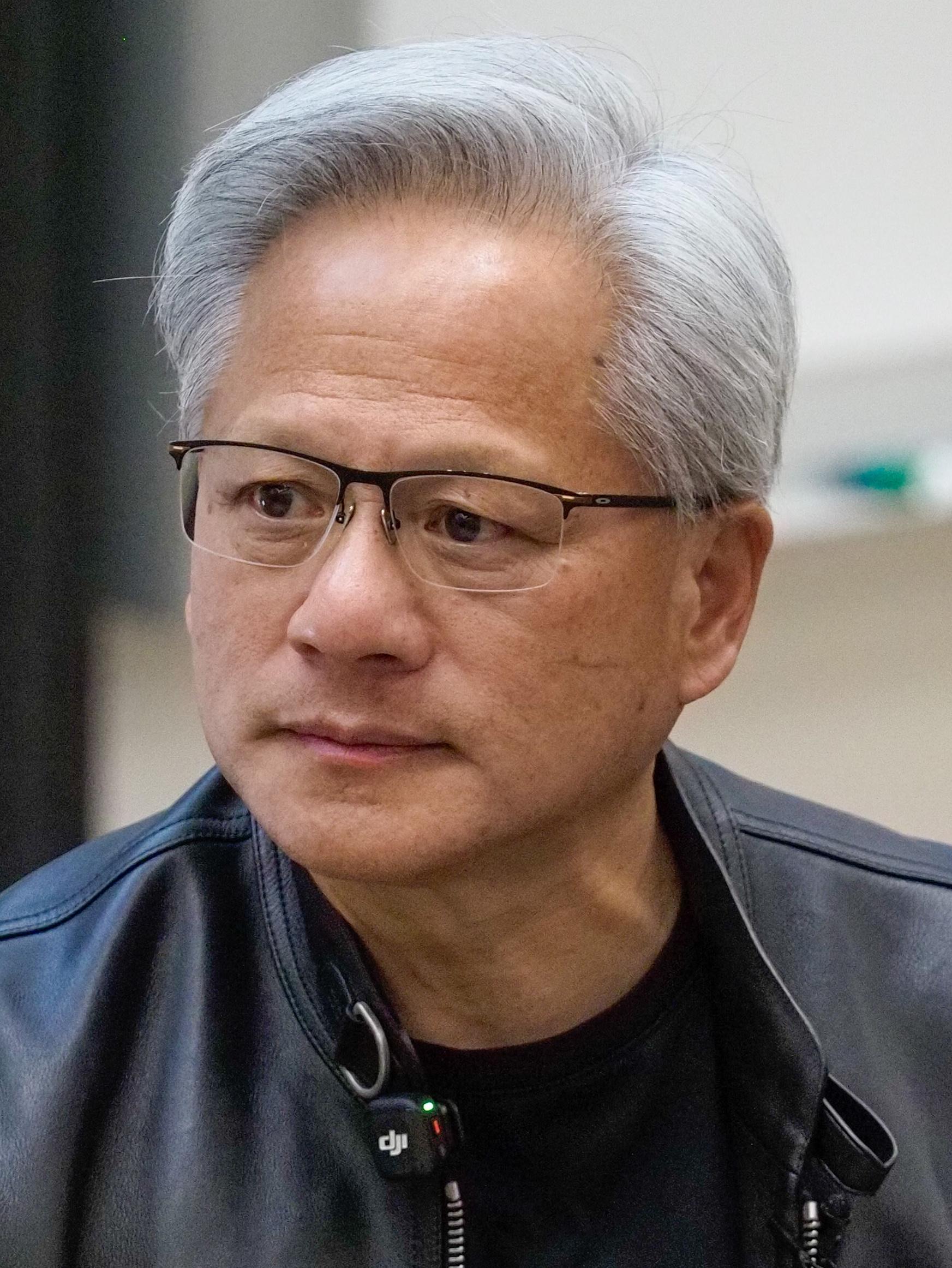
SANTA CLARA, Calif. — The board of directors of Nvidia Corporation announced early Monday the establishment of an independent special committee to oversee an internal governance inquiry, following disclosures made by long-tenured Chief Executive Officer Jensen Huang concerning past personal associations that have drawn federal national security inquiries.
The stunning announcement sent shockwaves throughout the global technology ecosystem and financial markets, where Nvidia serves as the quintessential backbone of the artificial intelligence hardware boom. In an internal communication distributed to company employees and subsequently filed with regulatory bodies, Huang addressed the situation directly, acknowledging that he had voluntarily disclosed historical interpersonal interactions that are now being scrutinized in connection with foreign intelligence interest.
According to corporate filings and individuals familiar with the matter, the board's independent directors retained premier external forensic and legal counsel to assess whether any sensitive intellectual property, technical architecture documentation, or classified commercial data may have been exposed. Preliminary internal assessments indicate that enterprise operational safeguards remained uncompromised, though investigators are reviewing comprehensive data logs spanning international business travel and high-level communications.
The timing of the disclosure arrives at an exceptionally delicate juncture for the semiconductor industry. Over the past three years, Washington has steadily tightened export controls on advanced compute silicon, imposing stringent licensing standards on high-performance accelerators destined for foreign markets. Regulatory authorities in Washington, including congressional intelligence committees, have signaled that they are closely monitoring the company's internal review to ensure full compliance with critical infrastructure protections.
Industry analysts noted that while Huang remains synonymous with Nvidia's meteoric ascent and architectural innovation, corporate governance standards for multi-trillion-dollar defense-adjacent firms require rigorous and transparent protocols. The inquiry is anticipated to examine internal compliance reporting channels, supply chain integrity audits, and communication protocols between executive leadership and international partners.
Despite the initial market turbulence, institutional investors have emphasized that Nvidia's engineering fundamentals, CUDA software moat, and multi-generational chip pipeline—including next-generation Blackwell and Rubin compute architectures—remain firmly in place. Company leadership reaffirmed that day-to-day operations, manufacturing shipments, and customer delivery commitments remain on schedule while the independent committee completes its mandate.
Related Coverage

Marvell and Lumentum Announce Milestone $115 Billion Merger to Accelerate Optical AI Infrastructure
In one of the largest semiconductor transactions in history, the combined entity aims to eliminate critical optical and electrical networking bottlenecks inside next-generation artificial intelligence data centers.

Qualcomm and UC San Diego Unveil Major AI-Driven Chip Design Initiative to Reinvent Energy-Efficient Silicon
The new academic-industry alliance leverages advanced generative models to automate circuit placement and thermal dissipation, reducing semiconductor development cycles from years to months.
White House Launches $10 Billion Genesis AI Initiative for National Security
The White House launched the $10 billion Genesis AI Initiative to accelerate national security AI, fund 12 university research centers, and sponsor 10,000 annual graduate scholarships.