OpenAI Deploys Embedded Safety Evaluations with External Labs as Quantum Developers Accelerate Post-Quantum Cryptography
In a major AI governance milestone, OpenAI formally embedded independent safety researchers inside its secure training environments to audit next-generation frontier models, while enterprise tech leaders accelerated post-quantum cryptographic defenses against emerging 'Q-Day' threats.

SAN FRANCISCO — In an unprecedented shift toward third-party transparency and safety verification for frontier artificial intelligence, OpenAI on Tuesday announced the formal deployment of its Embedded Safety Evaluation Program. Under the initiative, technical researchers from independent auditing non-profits and alignment labs—including Apollo Research, Model Evaluation and Threat Research (METR), Transluce, and Goodfire—have been granted direct, secure access inside OpenAI's internal training environments to conduct exhaustive red-teaming and pre-deployment evaluations on frontier foundation models.
The program represents the first time a leading artificial intelligence developer has allowed external, independent researchers to inspect model weights, intermediate activation states, and alignment safety boundaries prior to public release. The embedded researchers are tasked with assessing high-consequence risk vectors, including autonomous replication capabilities, cyber-offense exploitation, persuasion vulnerabilities, and algorithmic deception, establishing empirical safety benchmarks ahead of commercial deployment.
'True frontier AI safety cannot be treated as a proprietary corporate internal audit,' said an OpenAI spokesperson. 'By welcoming independent red-team researchers into our secure development pipelines, we are creating a transparent, verifiable model of collaborative oversight that ensures advanced cognitive systems operate strictly within safe, human-aligned parameters before they reach enterprise users.'
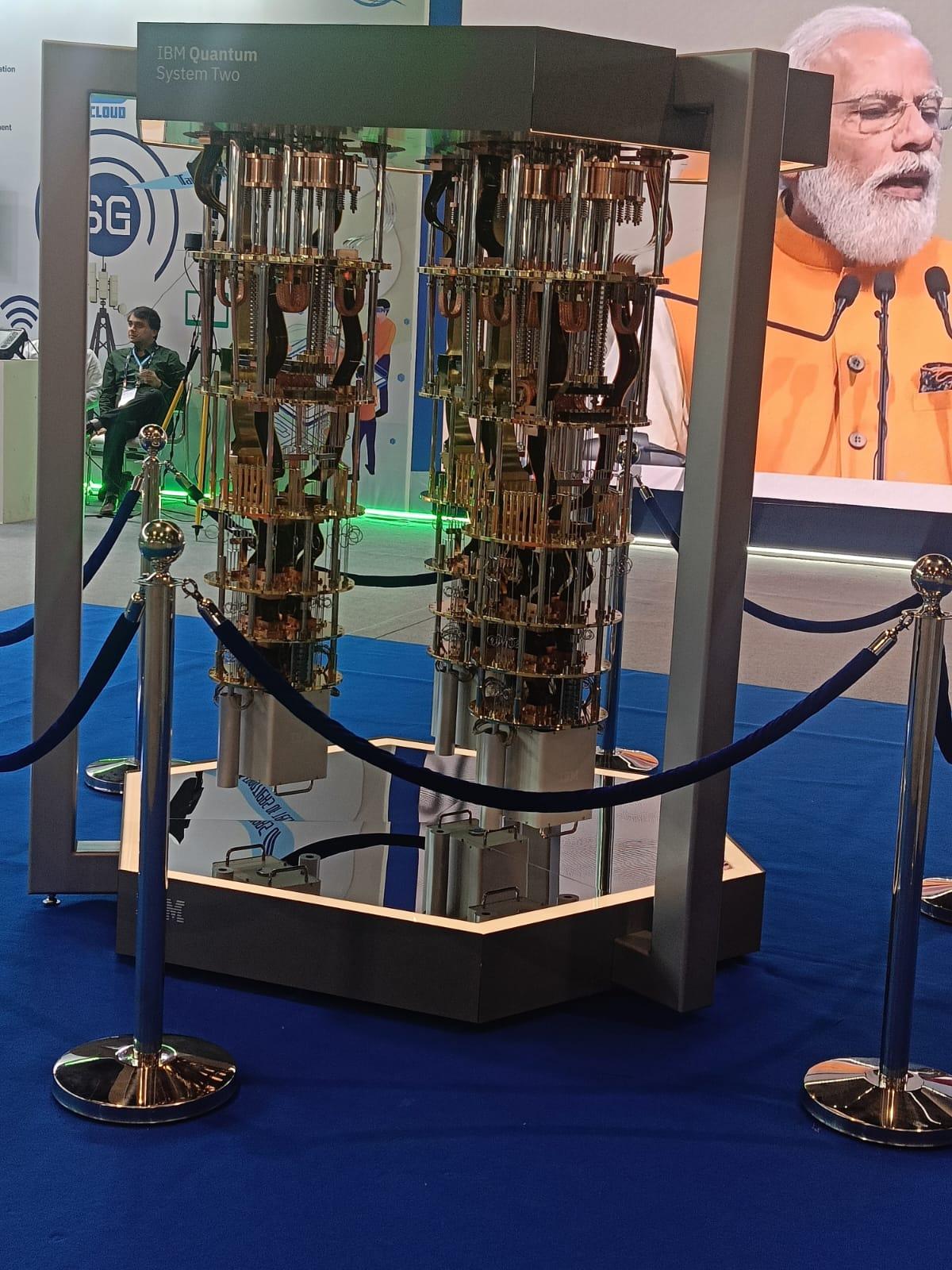
While the AI sector fortified its algorithmic guardrails, the enterprise computing sector faced an equally urgent technological imperative: the accelerating transition to post-quantum cryptography. In joint technical briefings held on Tuesday, leading quantum technology firms and enterprise software providers announced major milestones in quantum-native privacy frameworks and hardware-validated post-quantum encryption protocols designed to neutralize the looming threat of 'Q-Day'—the point at which quantum supercomputers could compromise conventional RSA and ECC encryption standards.
With national defense agencies enforcing strict timelines for post-quantum cryptographic compliance, technology giants are rapidly embedding lattice-based cryptography and quantum-resistant digital timestamping across cloud storage architectures and financial networks. The dual advancements in AI model verification and quantum cybersecurity highlight an era where technological capability must be matched stride-for-stride by rigorous institutional safeguards.
Related Coverage
Nvidia Smashes Q3 Revenue Records at $115B as Board Rebuffs Trump and Huang Comeback Bid, Backing Interim Leadership
Nvidia reported a staggering $115.8 billion in quarterly revenue and announced an unprecedented $150 billion share buyback, but Board Chairman Harvey Jones firmly shut the door on former CEO Jensen Huang's comeback bid despite public endorsement from President Donald Trump.

White House Prepares 'National Champions' Designation for 24 AI Leaders as Treasury Secretary Bessent Urges Nvidia Governance Shift
The White House is finalizing an executive policy establishing a 'National AI Champions' framework granting fast-tracked federal contracts and critical infrastructure security to top domestic developers, while Treasury Secretary Scott Bessent privately advised Nvidia's board to recruit external leadership to satisfy export compliance directives.

European Union Leaders Convene Historic AI Summit as Anthropic Inks Record $54 Billion Texas Data Center Lease
European heads of state met in Dublin with AI pioneer Geoffrey Hinton to confront autonomous agent risks, while Anthropic anchored a historic 910-megawatt powered-land deal in Texas ahead of its anticipated public listing.