Pentagon Fails Ninth Consecutive Financial Audit with $4.3 Trillion in Liabilities as Lawmakers Push for 2028 NDAA Mandate and New Defense Oversight
The Department of Defense failed its ninth consecutive annual financial audit as independent inspectors issued a disclaimer of opinion over $4.3 trillion in assets and liabilities, sparking fierce bipartisan calls on Capitol Hill for binding penalty mechanisms in the upcoming National Defense Authorization Act.

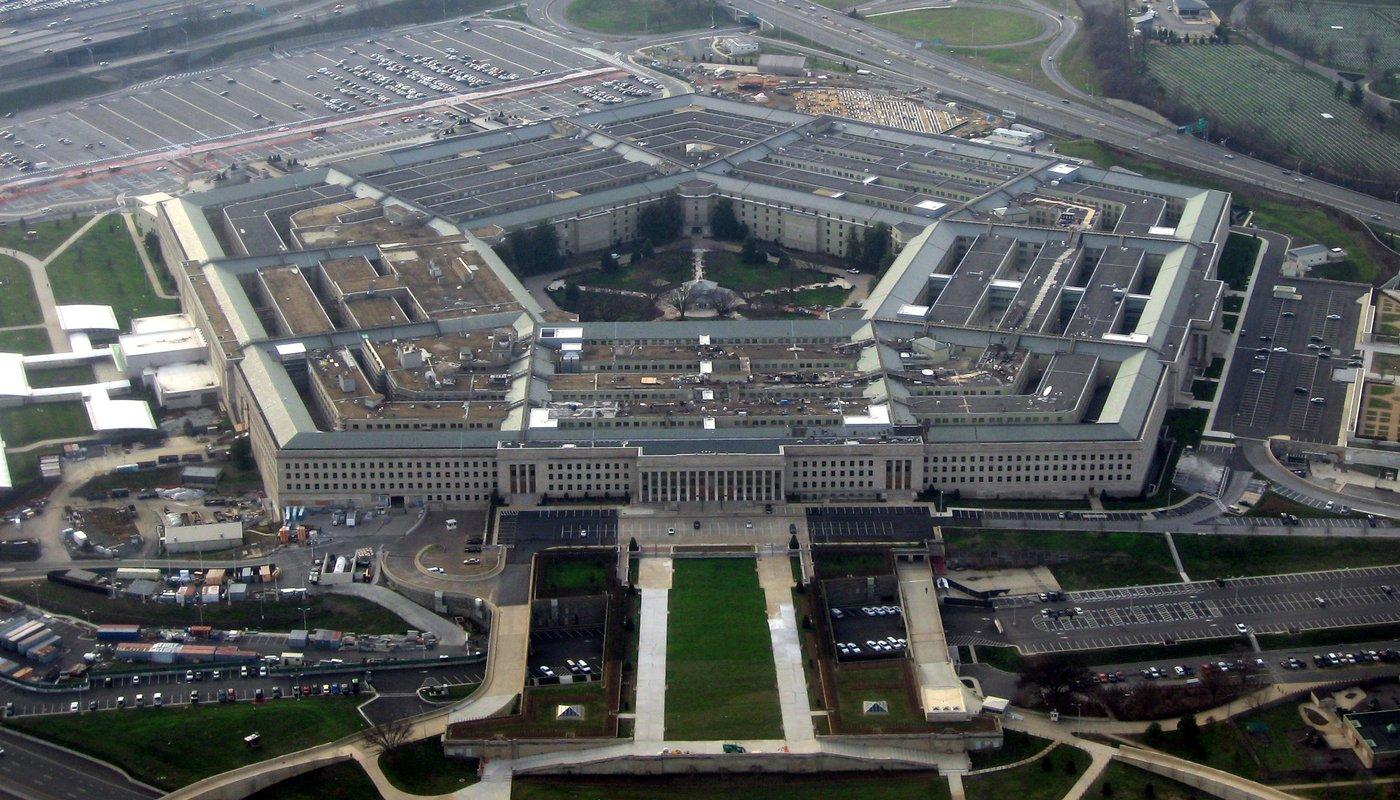
WASHINGTON — The Department of Defense has officially failed its ninth consecutive comprehensive financial audit, failing once again to provide independent auditors with sufficient, auditable financial records to account for its sprawling $4.3 trillion in assets and liabilities. The Office of the Inspector General, working alongside prominent independent accounting firms, issued a formal disclaimer of opinion on the Pentagon's consolidated financial statements for Fiscal Year 2026, confirming that the world's most heavily funded military apparatus remains incapable of fully verifying where hundreds of billions of taxpayer dollars are allocated, expended, and cataloged across its operational branches.
Despite fielding an army of more than 1,700 professional auditors who conducted roughly 900 site visits worldwide throughout the past twelve months, the Pentagon achieved clean, unmodified audit opinions in only eight of its twenty-eight standalone reporting components, including the Military Retirement Fund and the Defense Contract Audit Agency. Major services—notably the Army, Navy, and Air Force—remain plagued by deeply entrenched technological legacy systems, siloed procurement databases, and inconsistent physical inventory tracking for military hardware, munitions depots, and global real property assets.
Under Secretary of Defense (Comptroller) and Chief Financial Officer leadership defended the results during a Capitol Hill briefing, highlighting incremental modernization milestones while conceding that full financial transparency will not be attained until at least 2028. Department officials emphasized that substantial progress was registered in retiring decades-old mainframe software architectures, consolidating nearly 40 disparate accounting ledgers into cloud-based enterprise resource planning environments, and executing automated physical reconciliations of high-value weapon systems, including naval vessel components and fifth-generation fighter inventories.
However, the failure to meet clean audit standards triggered sharp bipartisan condemnation across both chambers of Congress, where lawmakers are finalizing language for the upcoming National Defense Authorization Act (NDAA). Prominent members of the Senate Armed Services and Budget Committees reiterated their commitment to enacting legislative enforcement mechanisms that would penalize military branches failing to secure unmodified audit opinions. Proposed provisions include mandatory 0.5% budgetary withholdings, recurring sequester rescissions on departmental civilian administrative accounts, and heightened executive reporting mandates for non-compliant procurement programs.
Budgetary analysts and government watchdog groups underscored that the Pentagon remains the sole major federal agency that has never passed an independent annual financial audit since the passage of the Chief Financial Officers Act of 1990. With annual national defense authorizations consistently surpassing $900 billion, watchdog directors warned that chronic accounting opacity undermines public trust, degrades military readiness by misallocating critical resources, and hampers long-term force planning amid escalating geopolitical tensions in Eastern Europe and the Indo-Pacific theater.
As congressional oversight committees prepare for a series of high-stakes investigative hearings next month, defense officials pledged to accelerate data migration pipelines and enforce standardized inventory tracking protocols across all contractor-operated military depots. Whether these technical initiatives will satisfy increasingly impatient fiscal conservatives and progressive defense reformers remains uncertain, setting up a decisive legislative battle over the future of military appropriations and institutional accountability.
Related Coverage

Why Mark Rossini’s Acceptance Filing Became a Key Step in the Puerto Rico Case
Mark Rossini became the first of the principal defendants to formally accept President Donald Trump’s pardon in the federal corruption case tied to former Puerto Rico Gov. Wanda Vázquez Garced, according to a notice filed by his attorneys and reported by Puerto Rico news outlets.

House Republicans Elect Jim Jordan as Minority Leader Following Midterms as Jeffries Launches Historic Speakership Bid
In a dramatic post-midterm shakeup on Capitol Hill, House Republicans elected conservative firebrand Jim Jordan as their incoming Minority Leader, defeating former Majority Leader Steve Scalise, while House Democratic Leader Hakeem Jeffries officially launched his bid for Speaker of the House.

White House Directs Federal Agencies to Block Congressional Testimony Without Clearance as Scharf Clashes with Incoming House Oversight Chairs
White House Counsel Will Scharf issued an executive memorandum mandating that all federal agency officials receive explicit White House clearance before agreeing to appear before congressional committees, intensifying a constitutional standoff with incoming Democratic oversight chairs following the 2026 midterms.