Supreme Court Agrees to Review Trump Southern Border Asylum Ban in Major Constitutional Test
The high court granted certiorari to decide whether the executive branch possesses statutory authority to suspend asylum adjudications during border emergencies, setting up a definitive ruling on presidential immigration powers.

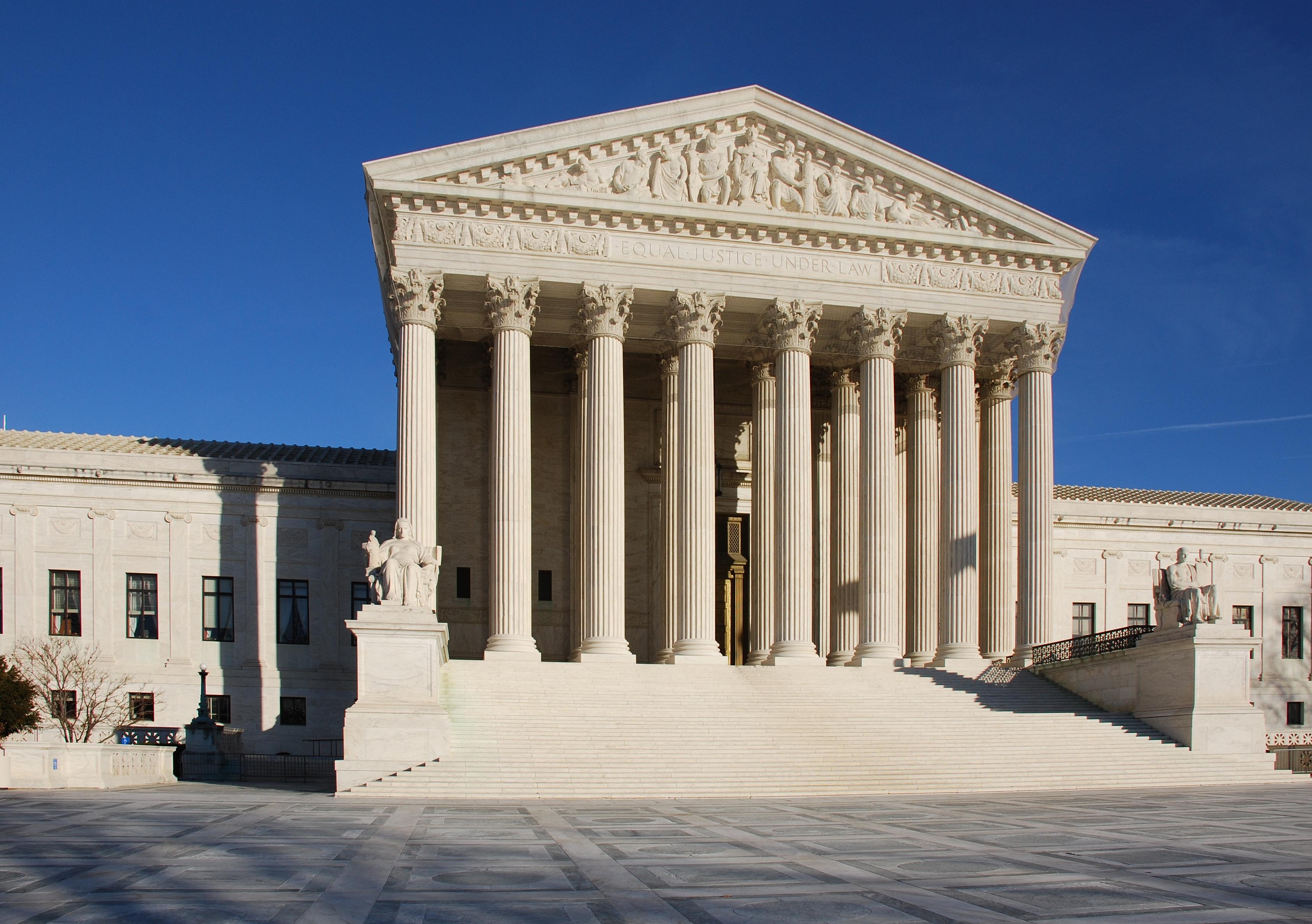
WASHINGTON — In a high-stakes development that promises to redefine the constitutional boundaries of presidential authority over immigration enforcement, the Supreme Court of the United States announced on Saturday that it will formally review the Trump administration’s appeal seeking to reinstate a sweeping executive ban on southern border asylum applications.
The justices granted certiorari in the consolidated legal challenge following conflicting appellate rulings that struck down the administration’s categorical emergency border restrictions. Federal solicitors argued in emergency docket filings that Article II executive authorities, reinforced by Section 212(f) of the Immigration and Nationality Act (INA), grant the commander-in-chief virtually unreviewable discretion to suspend the entry of any class of noncitizens deemed detrimental to national security and domestic order during severe migration surges.
Civil liberties advocates, led by the American Civil Liberties Union (ACLU) and immigrant defense networks, countered that the executive order directly violates Section 208 of the INA, which statutorily guarantees that any person physically arriving on American soil—regardless of port of entry status—has a legally protected right to petition for international humanitarian protection. Legal advocates maintain that administrative proclamations cannot unilaterally nullify explicit statutory mandates enacted by Congress.
'The statute passed by Congress could not be clearer: anyone who arrives at the border has the right to apply for asylum,' stated lead counsel representing the civil liberties coalition outside the Supreme Court building. 'The executive branch is asking the highest court in the nation to rubber-stamp an unprecedented bypass of congressional statutes and international treaty obligations. This case represents a foundational test of whether statutes or executive fiats govern the rule of law.'
The grant of review arrives amidst intense political posturing in Washington following midterm election shifts that awarded Democrats control of both congressional chambers starting in January. While the conservative majority on the bench has historically exhibited deference toward executive border management authorities, several recent procedural questions regarding nationwide injunctions and statutory preemption could divide the court. Oral arguments have been fast-tracked for early spring 2027, with a final ruling anticipated by late June.
Related Coverage

Senator Chris Van Hollen Launches Historic Bid to Oust Chuck Schumer as Senate Democratic Leader
In a stunning post-midterm escalation, Maryland Senator Chris Van Hollen declared his candidacy for Senate Majority Leader, arguing that the party’s congressional victories demand aggressive institutional reform and a break from legacy leadership.
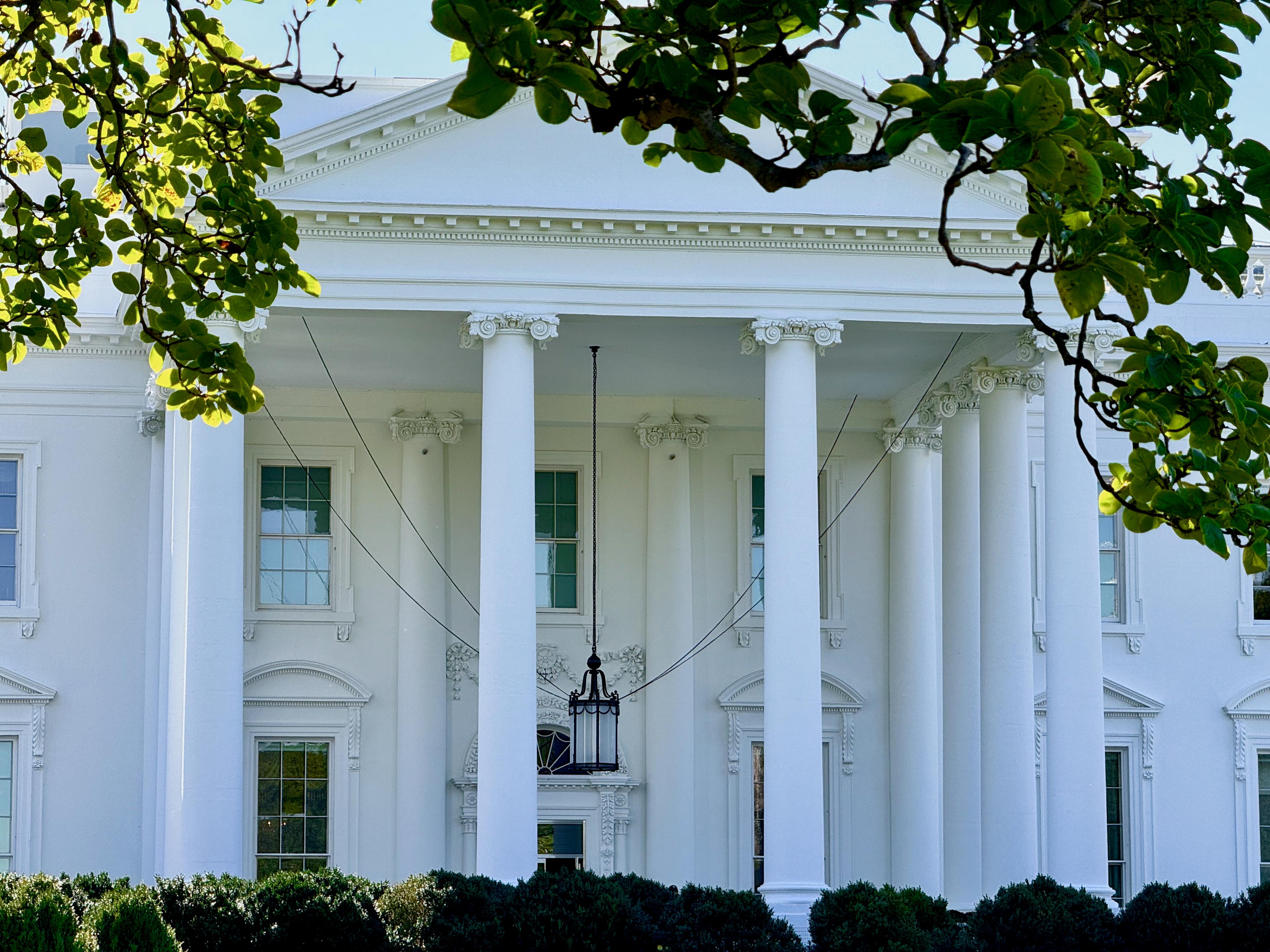
White House Clashes With Incoming Democratic Congress Over Oversight Probes as Lawmakers Introduce Pardon Reform Act
Tensions escalated sharply in Washington after White House Counsel William O. Scharf warned House Democrats against 'abusive' investigations, prompting Rep. Robert Garcia and the End Corruption Caucus to unveil the Abuse of the Pardon Prevention Act.
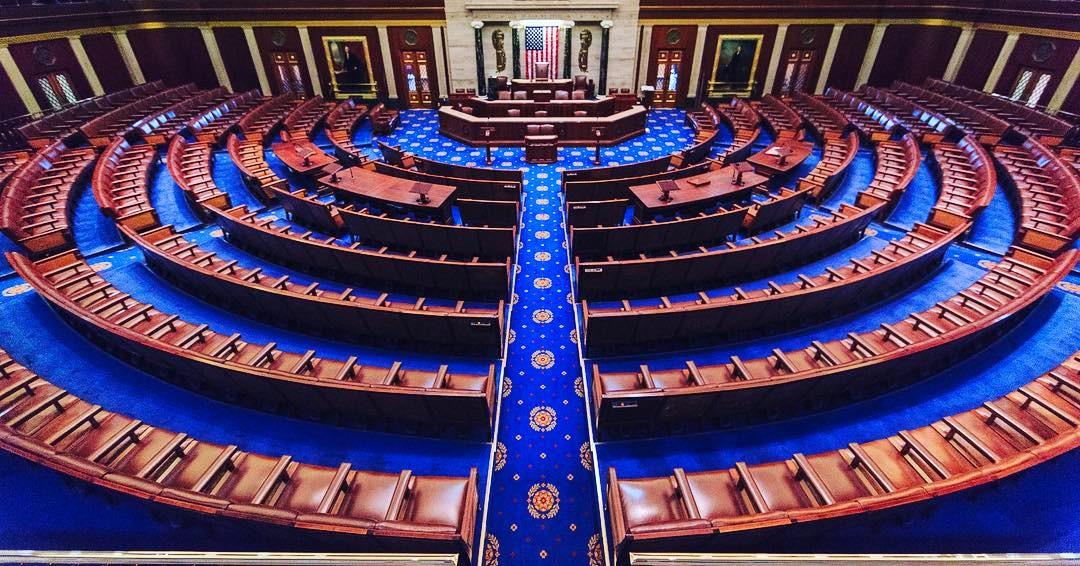
House GOP Defeats Democratic Hegseth Impeachment Resolution in Fierce Floor Debate
The U.S. House of Representatives voted 211 to 204 along strict party lines to refer a privileged impeachment resolution against Defense Secretary Pete Hegseth to the Judiciary Committee, blunting an immediate floor confrontation over military leadership.