UNESCO Releases Landmark Media Literacy Framework Equipping Classrooms for Generative AI Realities
Delegates at UNESCO headquarters in Paris approved a binding global standard for synthetic media education, advising member states on mandatory classroom curricula to cultivate critical evaluation of machine-generated text, voice synthesis, and algorithmic bias.

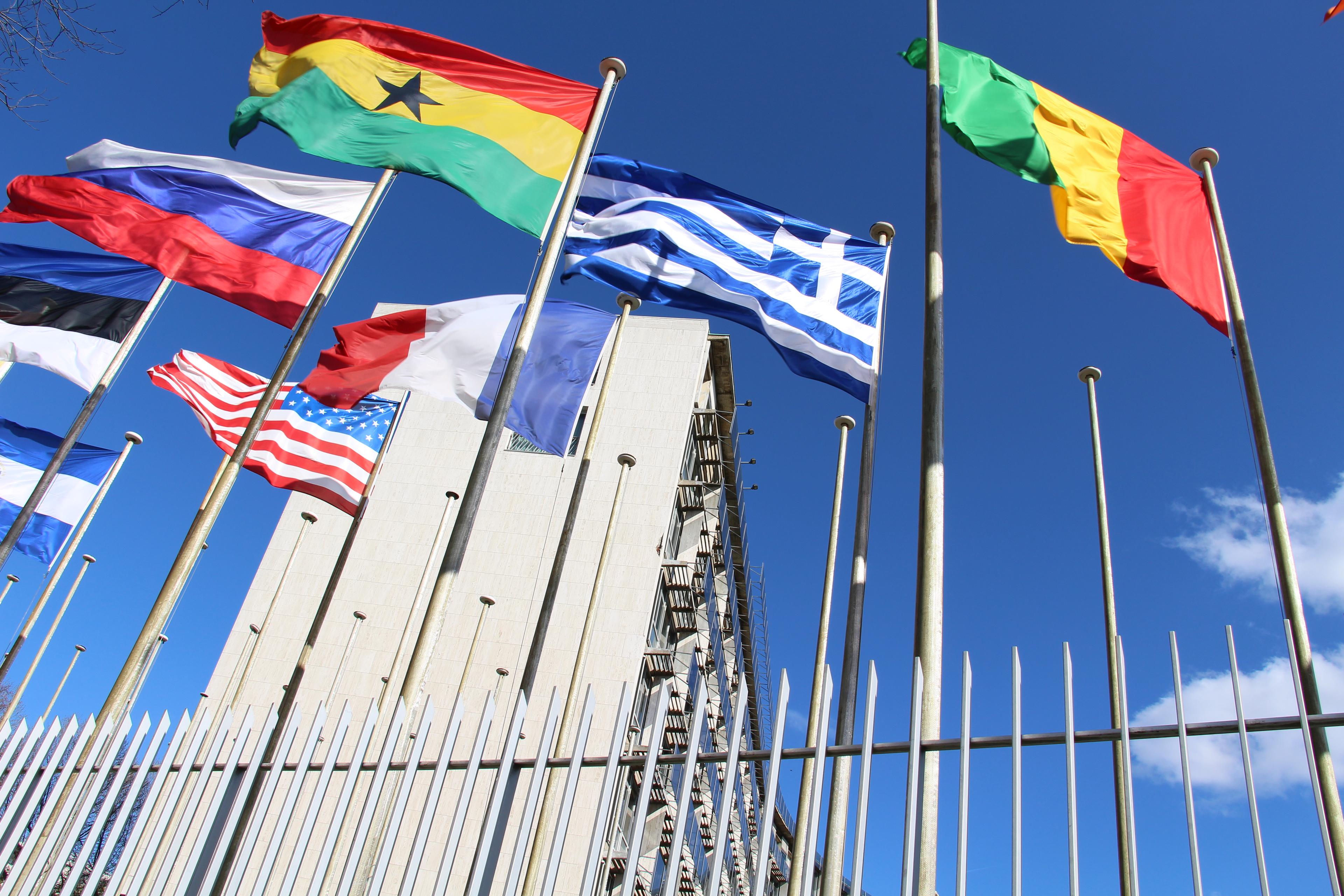
PARIS — Meeting in an extraordinary plenary assembly at its historic headquarters in Paris on Tuesday, the United Nations Educational, Scientific and Cultural Organization (UNESCO) unanimously ratified a comprehensive global curriculum framework titled 'Critical Media and Algorithmic Literacy in the Era of Generative AI.' The landmark policy document delivers an actionable educational roadmap designed to teach primary and secondary school students how to navigate, critically evaluate, and verify information in a world dominated by synthetic text, hyper-realistic deepfakes, and algorithmic content curation.
The framework, developed over two years in consultation with educational psychologists, investigative journalists, ethicists, and computational linguists from forty member nations, advises governments to integrate critical algorithmic thinking directly into core school curricula rather than treating digital literacy as an elective technical subject. Core modules instruct students on detecting synthetic audio artifacts, cross-referencing automated search summaries against primary historical archives, and understanding the systemic commercial incentives that govern algorithmic recommendation engines.
'Generative artificial intelligence has radically compressed the boundary between authentic reality and computer-generated fabrication,' declared UNESCO's Assistant Director-General for Education during the closing symposium. 'If our school systems merely teach students how to consume digital content without equipping them with the epistemological tools to interrogate provenance, authorship, and algorithmic bias, we leave democratic societies defenseless against manipulation. Critical literacy is no longer just an academic skill; it is the core civic defense of our democratic future.'
The guideline outlines age-appropriate benchmarks, advising that middle school students learn to identify deepfake facial discrepancies and verify digital watermarks, while high school seniors evaluate ethical dilemmas surrounding automated intellectual property, training dataset biases, and synthetic political advertising. UNESCO also unveiled a companion open-source teacher training portal available in twelve languages, providing educators with interactive classroom toolkits, real-world case studies, and verification software to foster critical skepticism in educational settings.
Representatives from education ministries across Europe, Asia, and the Americas welcomed the guidelines, with several national delegations announcing plans to pilot the framework in public school systems starting in the 2027 academic year. Cultural historians and pedagogical experts commended the initiative as a decisive step toward safeguarding human judgment and democratic discourse, ensuring that the next generation of global citizens possesses the analytical rigor required to flourish in a synthetic information landscape.
Related Coverage
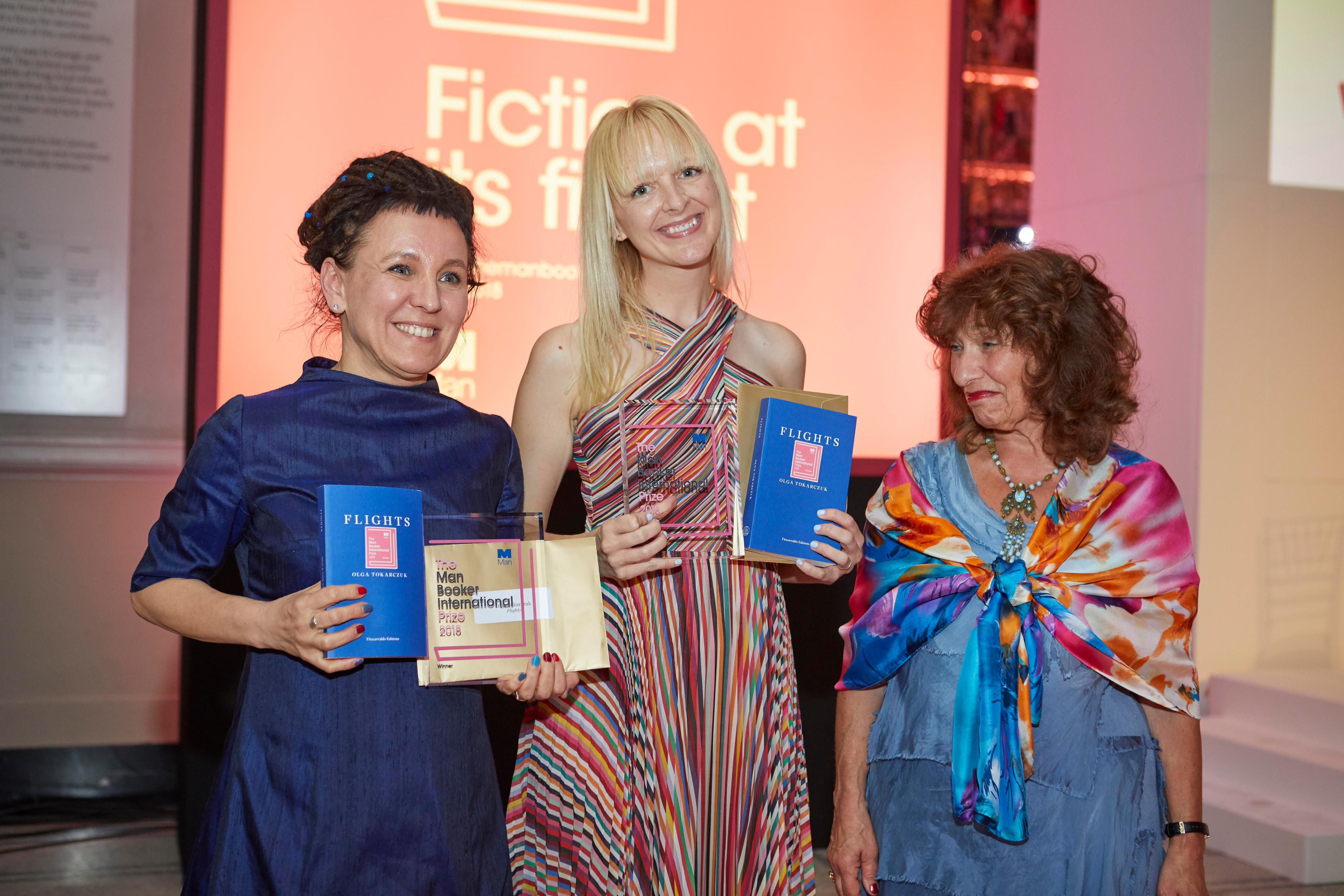
M. John Harrison Awarded 2026 Booker Prize for Speculative Apocalyptic Masterwork 'The End of Everything'
At age 81, the pioneering British author was celebrated in London as one of literature's greatest stylists, capturing the prestigious literary trophy for his prescient novel exploring human connection amidst societal collapse.
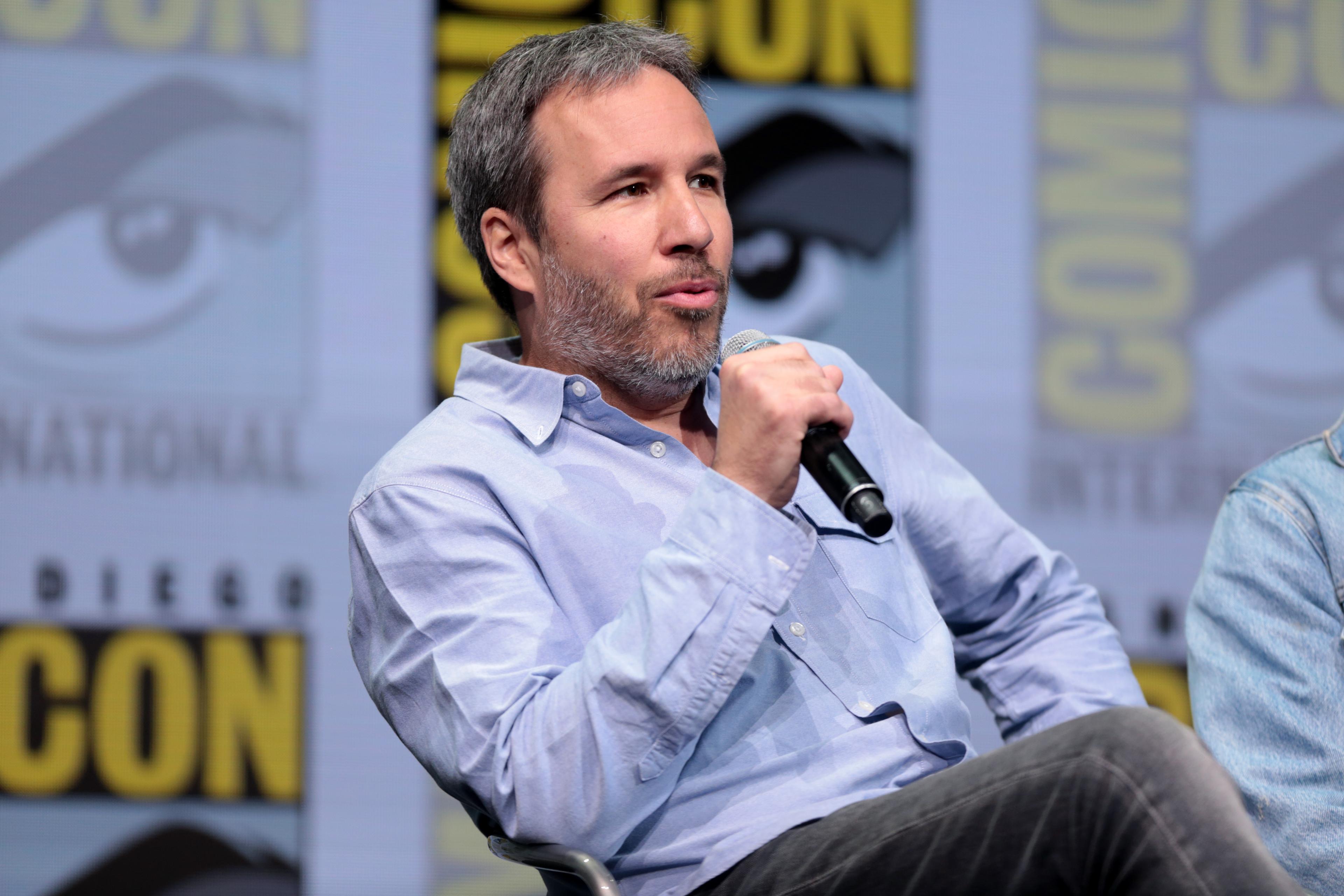
LACMA Art + Film Gala Raises Record $7 Million in Los Angeles Celebrating Filmmaker Denis Villeneuve and Artist Vija Celmins
Hollywood luminaries and contemporary art visionaries gathered on the West Coast as the premier cultural institution set a new fundraising milestone dedicated to cinematic programming and museum exhibitions.

The Kennedy Center Honors Unveils 2026 Class Amid Unprecedented Venue Relocation Controversy
Legendary artists Paul Anka, David Foster, Andy Garcia, David Mamet, and Barbara Mandrell named honorees, with the gala taking place offsite for the first time in history due to federal legal battles.