Final Midterm Campaign Blitz Sweeps Battleground States as Early Voting Reaches Historic Highs
With control of both chambers of Congress hanging in the balance, party leaders, President Trump, and high-profile surrogates crisscross crucial swing districts as over 42 million Americans cast ballots ahead of Election Day.


WASHINGTON — In a climactic and fiercely contested final 48 hours of campaigning ahead of the pivotal 2026 midterm elections, political heavyweights from both parties fanned out across crucial battleground states to make their final arguments to an electorate navigating high inflation, federal spending debates, and geopolitical tensions abroad. Rallies stretched from the industrial suburbs of Detroit and Grand Rapids to the Sun Belt corridors of Phoenix, Atlanta, and Charlotte, marking the culmination of an election cycle that analysts describe as one of the most consequential congressional midterms in modern American political history.
President Donald Trump spearheaded a series of whirlwind arena events across Iowa, Kansas, and Ohio on Monday, seeking to energize core conservative voters and protect vulnerable Republican seats in both the House and Senate. Addressing energetic crowds, the president framed the contest as an existential referendum on domestic manufacturing, energy independence, border enforcement, and judicial conservatism. Meanwhile, prominent Democratic leaders and former President Barack Obama mounted vigorous get-out-the-vote tours through Wisconsin and Pennsylvania, warning that the legislative balance in Washington will determine the future of reproductive rights, climate policy, and democratic guardrails.
Data compiled by election monitoring organizations and state secretaries of state indicates unprecedented voter enthusiasm for an off-year cycle. More than 42 million mail-in and in-person early ballots have already been tabulated nationwide, shattering midterm early-voting benchmarks established during the 2018 and 2022 elections. States such as North Carolina, Georgia, and Arizona reported record-breaking participation rates in key suburban counties, underscoring an intense national focus on which party will hold majority gavels when the 120th Congress convenes in January.
Nonpartisan election analysts highlight approximately three dozen competitive House races and seven pivotal Senate contests that will ultimately decide committee chairmanships and legislative authority. With thin margins defining current legislative chambers, party strategists acknowledge that outcomes in suburban Philadelphia, Orange County California, and south Texas could swing committee subpoena power and dictate the trajectory of federal judicial appointments through the remainder of the decade.
Polling conducted over the weekend showed statistically dead-heat matchups in key Senate contests, notably in Kansas, Ohio, and Nevada, where voters expressed anxiety over the cost of living alongside concerns regarding national security. Campaign advertising spending eclipsed $3.8 billion across television, digital, and streaming platforms during this cycle alone, saturating local airwaves with sharp contrasts over healthcare legislation, tax reform extensions, and trade tariffs. As polling places prepare to open Tuesday morning, election officials across all 50 states have emphasized robust security protocols, paper-ballot verification measures, and bipartisan poll watching to ensure complete integrity and public confidence in the tabulation process.
Related Coverage

The Vanity of Alina Habba Mildon: Beauty, Power, Ambition and the Price of Loyalty
From the corridors of the White House to the 240-year-old Herrera Velutini banking dynasty: how a reported $50M legal empire and a $10M wedding collided with presidential fury at Mar-a-Lago.

Scrutiny on Healthcare and Medical Debt Grips Tightly Contested Senate Races in Final Push
Contested Senate races in Midwestern and Southwestern battlegrounds face intense last-minute debates over medical billing practices, rural hospital funding, and prescription drug costs.
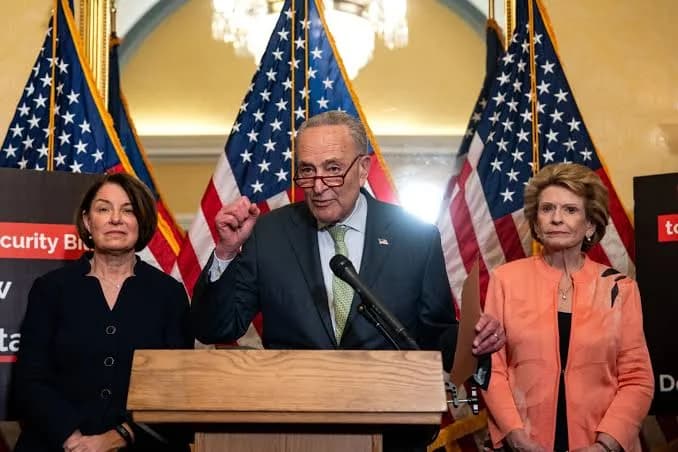
Senate Passes Sweeping Immigration Reform with Bipartisan 62-38 Vote
The US Senate passed sweeping immigration reform 62-38, combining $28 billion in border security with a pathway to legal status for 8 million long-term residents.