US Treasury Slams Gazprombank and 50 Russian Financial Institutions with Sweeping Sanctions, Severing Moscow's European Energy Pipeline
The Biden administration enacted its most aggressive financial blockade of the war, imposing full blocking sanctions on Gazprombank and over 50 Russian internationally connected lenders to choke off Moscow's billions in energy revenues.

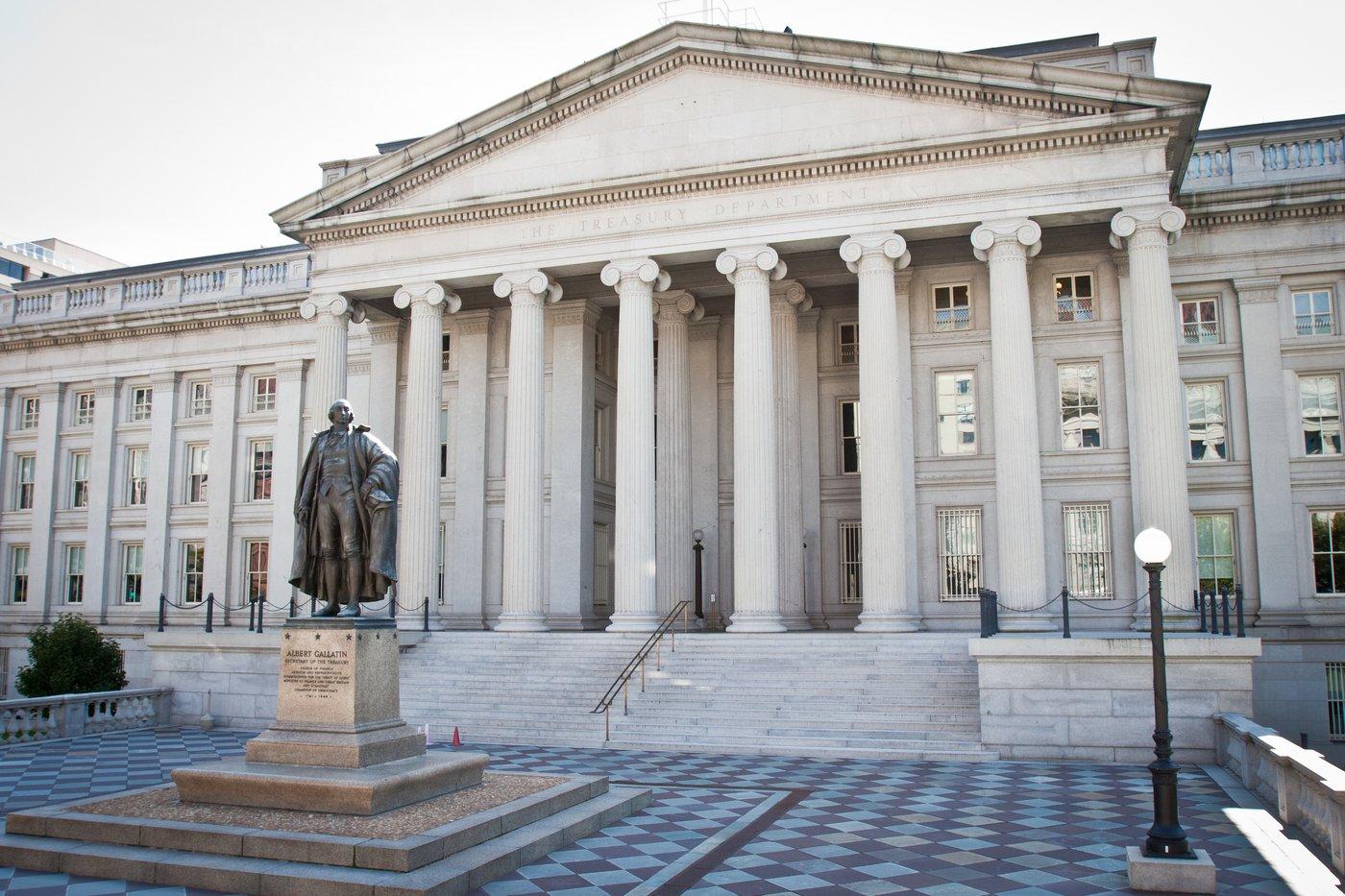
WASHINGTON — In one of the most punitive and consequential financial enforcement actions since the outbreak of hostilities in Eastern Europe, the United States Department of the Treasury's Office of Foreign Assets Control (OFAC) on Thursday levied comprehensive blocking sanctions against Gazprombank, the third-largest financial institution in the Russian Federation. The sweeping sanctions package, which also designated more than fifty internationally connected Russian banks, dozens of securities registrars, and fifteen senior central banking officials, effectively severs Moscow's last remaining major conduit for processing European natural gas payments.
For nearly three years, Western sanctions packages deliberately exempted Gazprombank from full blocking measures to allow energy-dependent European allies—notably Austria, Hungary, and Slovakia—to execute lawful payments for Russian pipeline gas imports without violating international anti-money laundering and banking compliance regimes. However, following extensive multilateral consultations with European Union leadership and energy security ministers, Treasury officials determined that global liquefied natural gas (LNG) supplies and fortified continental gas storage reserves have attained sufficient resilience to withstand a total severance of Gazprombank's correspondent accounts.
Treasury Secretary Janet Yellen emphasized that Gazprombank had functioned as an indispensable operational channel through which the Kremlin financed its military procurement networks, purchased dual-use battlefield electronics from foreign suppliers, and compensated Russian combat personnel on the front lines. 'Today's sanctions hit the core of Russia's ability to finance its brutal military aggression against Ukraine,' Yellen said in a formal departmental statement. 'By designating Russia's primary energy bank and over fifty financial institutions, we are dismantling the financial infrastructure that Vladimir Putin relies on to sustain his war machine.'
The direct consequence of the OFAC designations is the immediate freezing of all assets, deposits, and property interests belonging to Gazprombank and its designated subsidiaries within United States jurisdiction or in the possession of US financial entities. Crucially, the order incorporates secondary sanctions provisions, warning foreign commercial banks across Asia, the Middle East, and Latin America that facilitating significant transactions with Gazprombank risks cutting those foreign institutions off from the US dollar clearing system.
European energy markets absorbed the announcement with acute sensitivity. Benchmark Dutch TTF natural gas futures surged by more than 8% intraday, crossing 48 euros per megawatt-hour as European utilities scrambled to establish alternative non-Russian supply contracts ahead of the peak winter heating demand corridor. Government officials in Vienna and Budapest expressed concern over immediate contractual implications, though European Commission leadership insisted that diversified pipeline flows from Norway, Algeria, and transatlantic US LNG terminals will maintain continental energy stability.
In Moscow, Russian officials condemned the measures as an act of international economic aggression and vowed that state energy giant Gazprom would enforce payment restructuring mechanisms or redirect remaining pipeline flows toward Asian markets. However, international financial analysts concluded that the Treasury's comprehensive blockade represents a structural tightening of the global financial vise, severely degrading the Kremlin's sovereign balance sheet and accelerating fiscal strain on Russia's state-directed defense economy.
Related Coverage

Gautam Adani Indicted in US Federal Court in Brooklyn Over Alleged $250 Million Bribery Scheme for Solar Energy Contracts
Federal prosecutors in New York unsealed an indictment charging Indian industrialist Gautam Adani and seven senior corporate executives with paying over $250 million in bribes to Indian government officials to secure lucrative solar power contracts while defrauding US investors.

Wall Street Calibrates Fed Easing Odds as 10-Year Treasury Yield Surges Following Post-Election 'Trump Trade' and Resilient Consumer Data
Bond markets experienced substantial volatility as the benchmark 10-year US Treasury yield hovered near 4.45%, forcing institutional investors to recalibrate their expectations for Federal Reserve interest rate cuts amid stronger-than-expected retail spending and prospective tariff adjustments.

Wall Street Tech Rally Surges on Nvidia's $150 Billion Buyback and Record Cloud AI Infrastructure Capital Expenditure
Major U.S. stock indices rallied sharply on Wednesday as Nvidia's blowout financial results, massive share repurchase plan, and bullish forward cloud guidance dissipated investor concerns over artificial intelligence capital expenditure fatigue.