Wall Street Stabilizes After Historic Midterm Tech Rout as Crude Oil Slips on Diplomatic De-escalation Signals
U.S. equity benchmarks rebounded on Monday morning as energy commodity prices retreated below $98 a barrel and Treasury yields steadied following a volatile post-election trading week.


NEW YORK — Major U.S. stock indices staged a coordinated rebound during pre-market and early trading on Monday morning, seeking solid footing following one of the most turbulent trading weeks of the year that wiped out hundreds of billions in market capitalization across the tech sector.
Market sentiment received an immediate psychological lift from energy commodity benchmarks, where global crude oil futures retreated sharply. Brent crude dipped under $98 per barrel following weekend statements from the White House indicating that the United States is actively prioritizing diplomatic engagements to contain Middle Eastern regional escalations, noticeably reducing the immediate threat of military action against energy production infrastructure.
The pullback in energy prices provided much-needed relief to institutional traders who had grown increasingly worried about renewed inflationary pressures dampening the Federal Reserve's monetary path. The yield on the benchmark 10-year U.S. Treasury note eased to 4.28%, alleviating upward pressure on borrowing costs and offering a stabilizing foundation for high-growth tech multiples.
Investors are now digesting the broader structural implications of the 2026 midterm election outcomes. While initial market reactions were dominated by fears over potential legislative friction surrounding artificial intelligence regulations and zoning headwinds for massive computational data centers, portfolio managers are increasingly leaning into the historical precedent of divided government as a moderating economic force.
Sector rotation was distinctly evident across major exchanges. Consumer discretionary, industrial logistics, and regional financial institutions outpaced tech benchmarks, reflecting expectations that sustained domestic consumer spending and moderating fuel costs will bolster core earnings heading into the critical holiday retail quarter.
Looking ahead, market participants are training their focus on upcoming October Consumer Price Index (CPI) readings and upcoming quarterly earnings reports from key capital equipment manufacturers. Chief market strategists at top Wall Street investment banks remarked that with the acute political uncertainty of the election cycle now behind the market, capital allocators are refocusing on macroeconomic fundamentals and corporate balance sheet resiliency.
Related Coverage

Wall Street Rebounds as Crude Oil Slips Below $100 While Investors Weigh Massive AI Capital Spending
The Dow and S&P 500 kicked off November on a resilient note as easing Middle East geopolitical tensions brought relief to energy markets, offsetting intense scrutiny over Big Tech cash flows.

Blackstone Life Sciences and Boston Scientific Forge $455 Million Deal for Next-Gen Cardiac Recovery Devices
The major co-funding agreement will accelerate pivotal clinical trials for the VITALYST temporary heart pump designed to treat patients suffering severe cardiogenic shock.
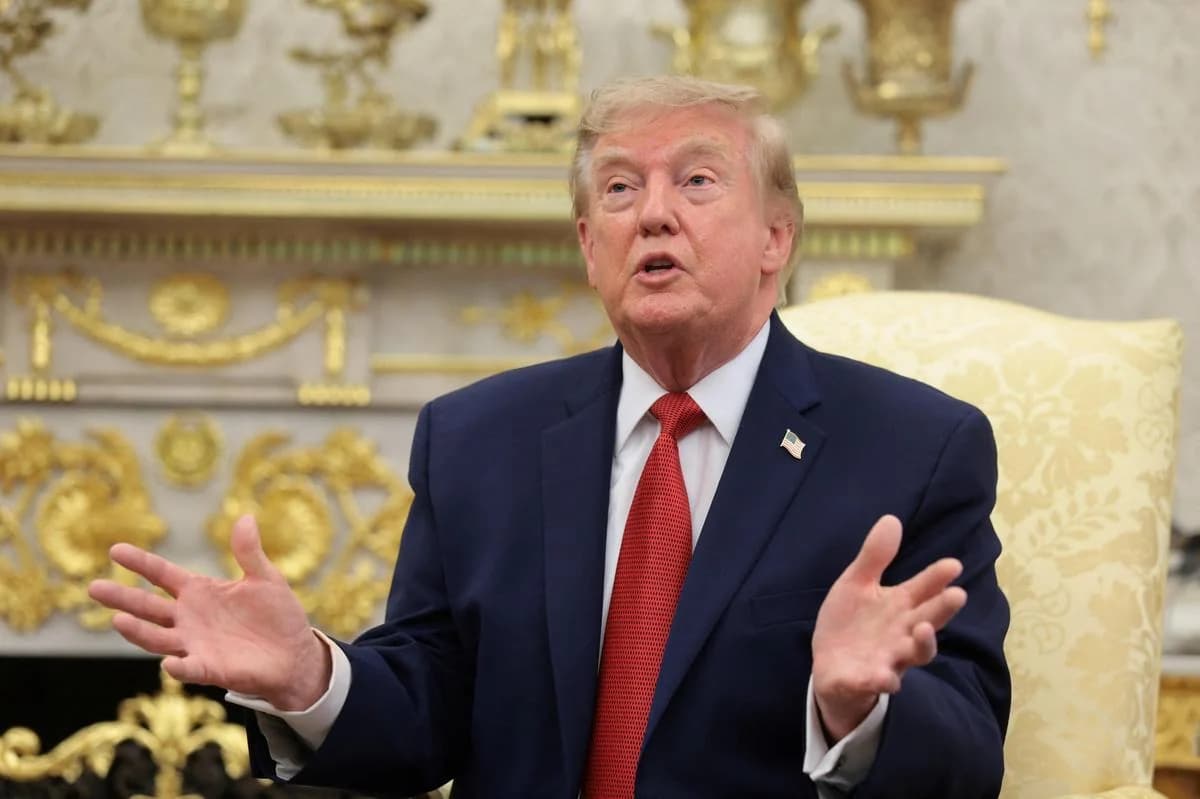
Trump Announces 50% Tariff on Canadian Goods Amid Trade Dispute
Trump imposed a 50% tariff on all Canadian goods, prompting Canada to immediately announce matching tariffs on $60 billion of US exports. Markets fell sharply on the escalation.