Global Crude Oil Tumbles $7 as Washington Signals De-escalation, Pushing U.S. Retail Gas Prices Toward Multi-Month Lows
Energy commodity benchmarks recorded steep losses on international exchanges as geopolitical risk premiums collapsed, delivering immediate retail fuel savings for American motorists and corporate logistics fleets.

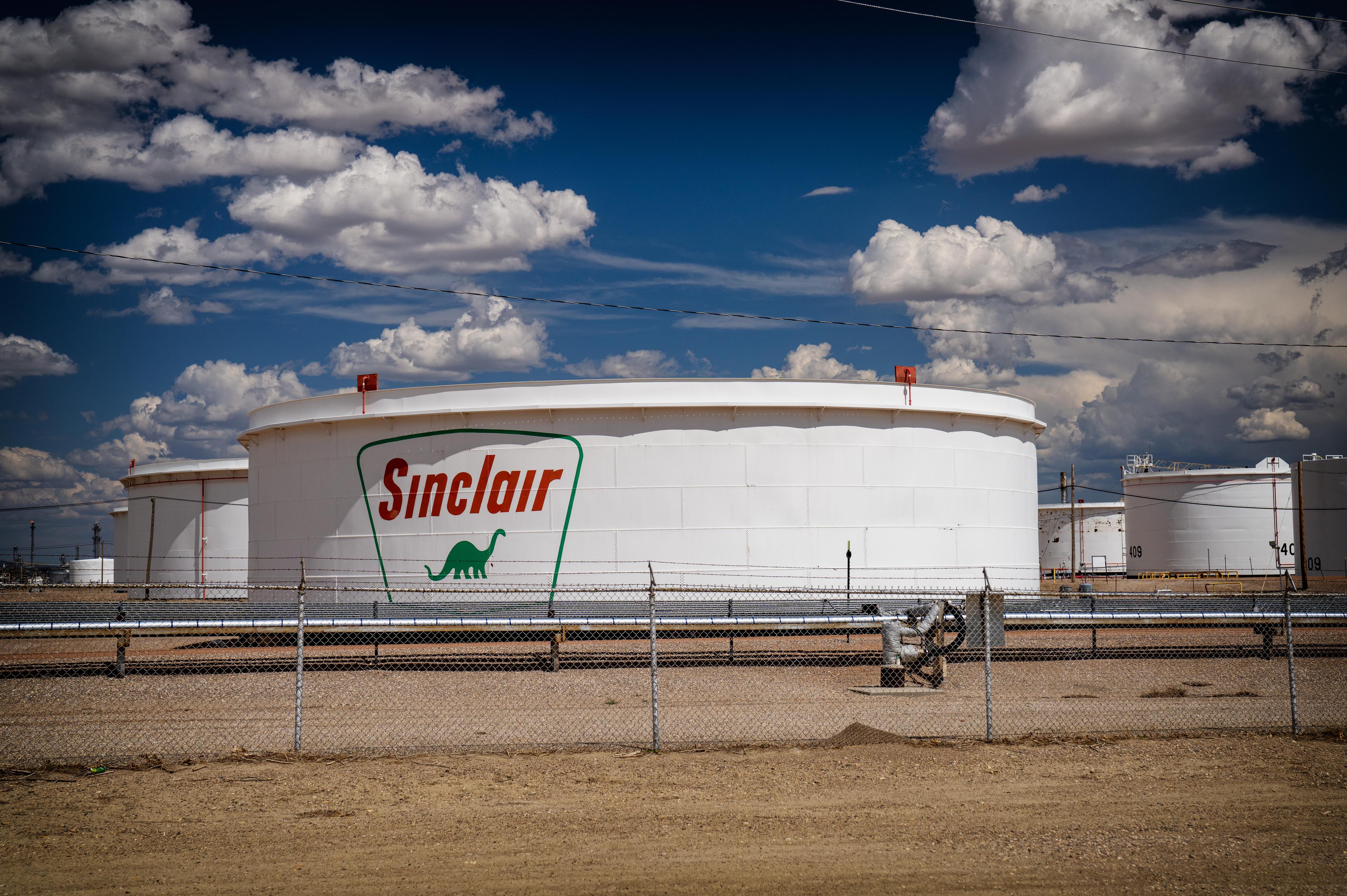
NEW YORK & HOUSTON — International energy markets endured sharp downward repricing on Tuesday morning, with Brent crude and West Texas Intermediate (WTI) plunging more than $7 per barrel in heavy trading as geopolitical risk premiums built up over months of Middle Eastern tensions rapidly evaporated.
Brent crude settled near $91.50 per barrel, representing its steepest single-session drop of the fourth quarter. The sudden sell-off gathered momentum following White House statements affirming that military conflict operations in the Gulf have entered an effective pause, alleviating acute fears of supply disruptions through the Strait of Hormuz where roughly twenty percent of the world's petroleum transit occurs.
The immediate beneficiary of the market reversal is the American consumer. Automobile association data revealed that national retail regular gasoline averages slid toward $3.98 per gallon, with wholesale distribution terminals reporting substantial wholesale price cuts that energy analysts predict will shave an additional twenty cents per gallon off retail pump prices within the next ten days.
Lower fuel expenditures provided an immediate boost to corporate equities across the transportation, aviation, and retail supply chain sectors. Major domestic airline shares surged between four and seven percent in morning trading, while consumer logistics operators celebrated reduced freight surcharge overhead entering the busiest holiday e-commerce delivery window of the fiscal year.
Macroeconomic strategists at top Wall Street brokerages highlighted that sustained energy price deflation represents a potent stabilizing factor for broader consumer inflation metrics. Lower fuel costs decrease transportation friction across grocery and durable goods supply chains, offering the Federal Reserve expanded flexibility regarding its upcoming monetary policy decisions.
While petroleum producers in the Permian Basin and international cartel members are reviewing their output quotas ahead of upcoming ministerial meetings, domestic consumers and corporate treasurers are enjoying substantial relief from energy overhead that had weighed heavily on household budgets throughout the autumn.
Related Coverage

Wall Street Stabilizes After Historic Midterm Tech Rout as Crude Oil Slips on Diplomatic De-escalation Signals
U.S. equity benchmarks rebounded on Monday morning as energy commodity prices retreated below $98 a barrel and Treasury yields steadied following a volatile post-election trading week.

Wall Street Rebounds as Crude Oil Slips Below $100 While Investors Weigh Massive AI Capital Spending
The Dow and S&P 500 kicked off November on a resilient note as easing Middle East geopolitical tensions brought relief to energy markets, offsetting intense scrutiny over Big Tech cash flows.

Blackstone Life Sciences and Boston Scientific Forge $455 Million Deal for Next-Gen Cardiac Recovery Devices
The major co-funding agreement will accelerate pivotal clinical trials for the VITALYST temporary heart pump designed to treat patients suffering severe cardiogenic shock.