DOJ Formally Demands Google Sell Chrome Browser and End Multi-Billion Dollar Apple Default Deals in Landmark Antitrust Remedy Filing
In the most aggressive federal corporate break-up petition since Standard Oil, the Department of Justice urged a federal judge to force Alphabet to divest its Chrome browser and void exclusive multi-billion-dollar default search distribution agreements.

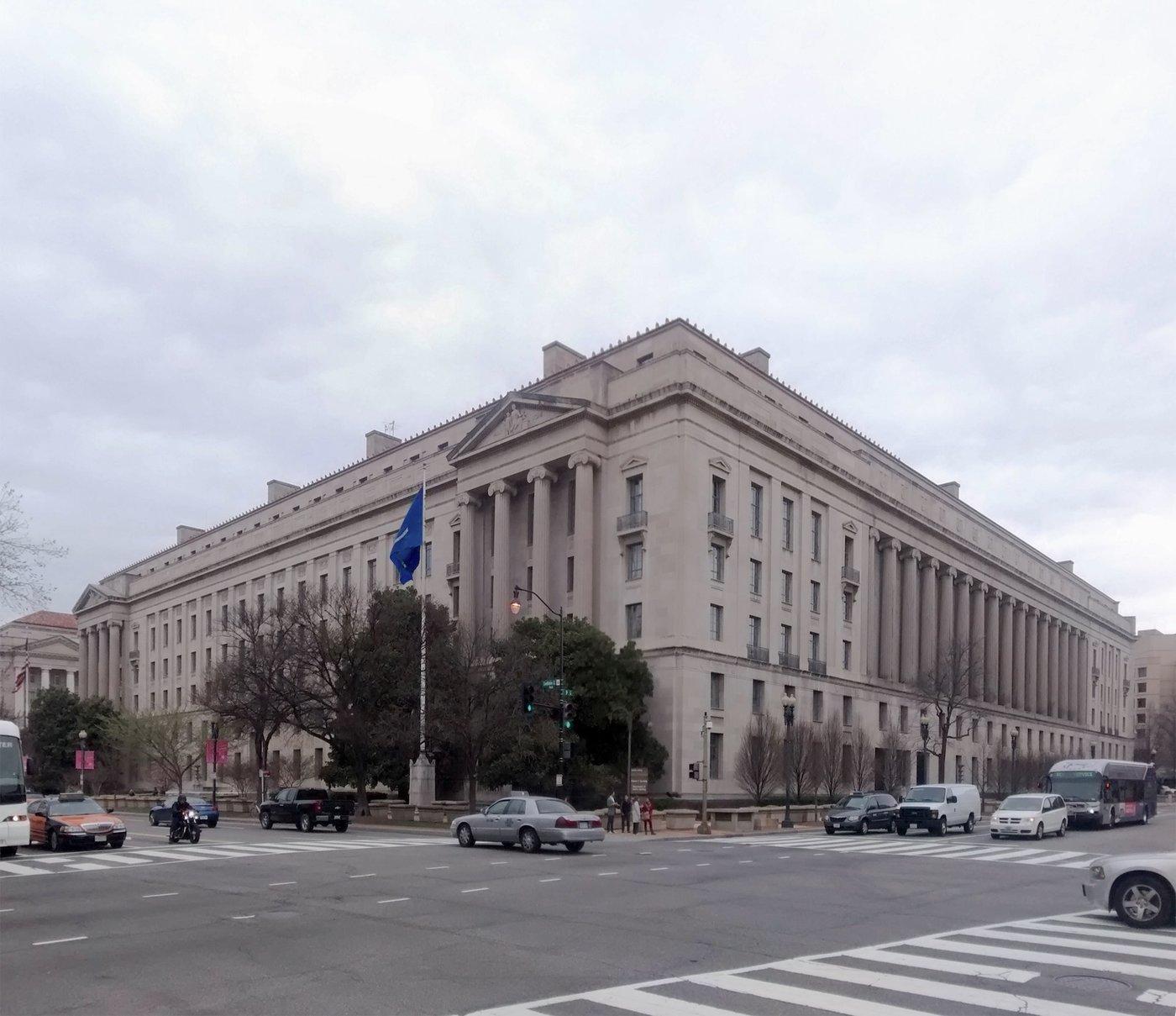
WASHINGTON — In a seismic legal filing that threatens to upend the foundational architecture of the modern internet economy, the United States Department of Justice and a bipartisan coalition of state attorneys general formally asked a federal judge on Wednesday night to order the breakup of Alphabet Inc.'s monopolistic search empire. Leading the federal government's proposed final judgment in United States v. Google, antitrust prosecutors petitioned U.S. District Judge Amit Mehta to force Google to completely divest its ubiquitous Chrome web browser, permanently ban exclusionary multi-billion-dollar default search agreements with device makers like Apple, and license its massive search indexing database to nascent rivals at nominal operational costs.
The 23-page remedy filing represents the most consequential structural enforcement action undertaken by federal trustbusters since the court-ordered breakup of AT&T in 1982 and the landmark prosecution of Microsoft in the late 1990s. Assistant Attorney General Jonathan Kanter emphasized that behavioral promises alone cannot restore competitive vitality to an online search marketplace where Google commands an insurmountable 90% domestic market share. Divesting Chrome—which controls over 67% of global browser traffic—is deemed vital by regulators because it serves as the paramount funnel steering hundreds of millions of users directly into Google's proprietary search monetization machine.
Beyond the forced divestiture of Chrome, the DOJ's proposed judgment delivers a crippling blow to Google's revenue-sharing agreements with ecosystem partners. The filing mandates an immediate and permanent prohibition against Google paying third-party hardware manufacturers, wireless carriers, and rival browser developers to secure default search engine placement. In 2022 alone, Google paid an estimated $26.3 billion to partners—including upwards of $20 billion directly to Apple—to guarantee its position as the out-of-the-box search engine on iPhones, iPads, and Mac computers, an arrangement Judge Mehta previously ruled constituted an unlawful restraint of trade.
Crucially, the government's proposal establishes strict behavioral and architectural firewalls surrounding Google's Android mobile operating system. While stopping short of demanding an immediate forced divestiture of Android as part of the primary structural remedy, prosecutors explicitly urged the court to retain the right to order Android's spinoff if behavioral remedies fail to eliminate self-preferencing within twenty-four months. Furthermore, the proposal requires Google to establish a technical syndicate granting competitors real-time API access to its core search index and click-and-query data, while granting digital publishers explicit technological switches to prevent their editorial content from being used to train Google's Gemini artificial intelligence models.
Alphabet vigorously denounced the DOJ's filing, characterizing the proposed remedies as unprecedented government overreach that will compromise consumer privacy, degrade user security, and jeopardize American technological leadership in the global AI race. 'The DOJ's radical proposal goes far beyond the court's legal ruling,' said Kent Walker, Alphabet's President of Global Affairs. 'It would break a range of Google products that people love, chill our investments in artificial intelligence, and damage American technological competitiveness precisely when geopolitical rivals are investing aggressively in state-backed digital ecosystems.'
A high-stakes evidentiary remedies hearing before Judge Mehta is scheduled to commence in April 2027, with a final ruling anticipated by late summer. Financial analysts on Wall Street estimate that losing Chrome and default status on Apple devices could erode Alphabet's annual operating income by upwards of 25%, initiating a protracted legal appeals process that is widely expected to reach the United States Supreme Court.
Related Coverage
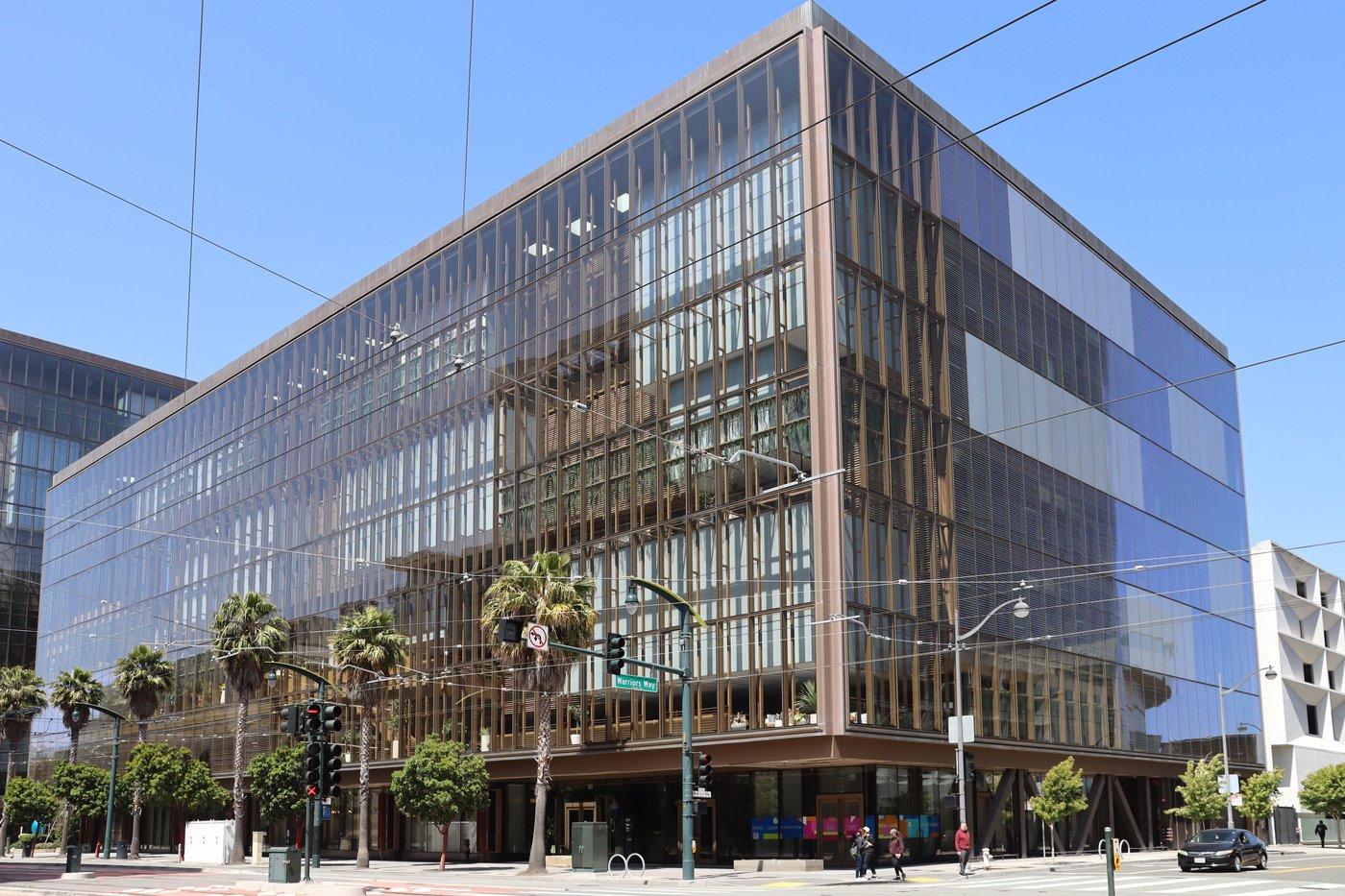
OpenAI Officially Unveils GPT-6.2 'Astra' and 'Sol' with 20% API Price Cut as Automated Coding Agents Reach 46% Autonomous Research Milestone
OpenAI introduced its latest frontier foundation models, GPT-6.2 'Astra' and 'Sol', featuring advanced autonomous agentic planning, native visual-spatial reasoning, and an aggressive 20% reduction in API token pricing to defend its market dominance against open-weight rivals.
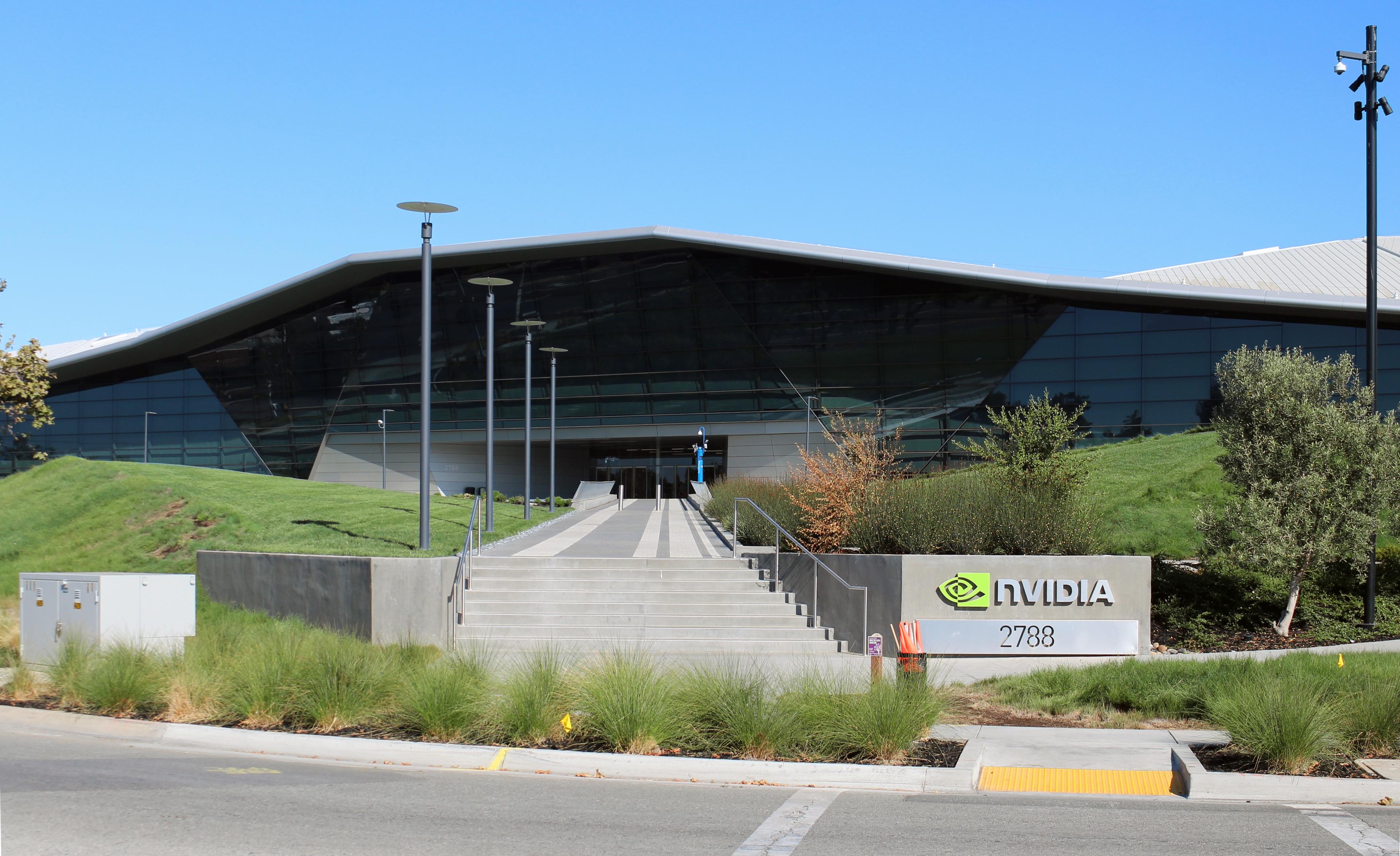
Nvidia Smashes Q3 Revenue Records at $115B as Board Rebuffs Trump and Huang Comeback Bid, Backing Interim Leadership
Nvidia reported a staggering $115.8 billion in quarterly revenue and announced an unprecedented $150 billion share buyback, but Board Chairman Harvey Jones firmly shut the door on former CEO Jensen Huang's comeback bid despite public endorsement from President Donald Trump.
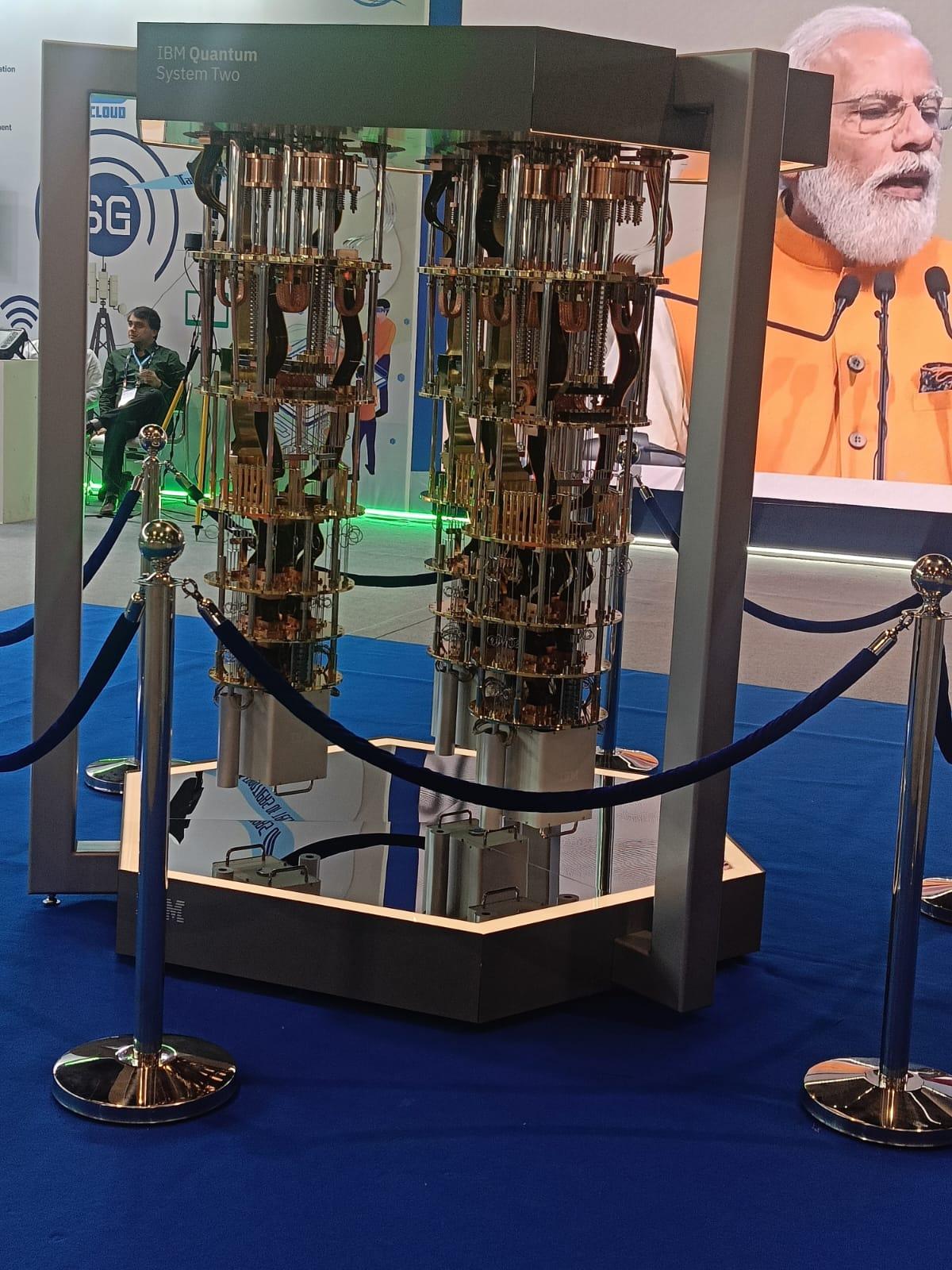
OpenAI Deploys Embedded Safety Evaluations with External Labs as Quantum Developers Accelerate Post-Quantum Cryptography
In a major AI governance milestone, OpenAI formally embedded independent safety researchers inside its secure training environments to audit next-generation frontier models, while enterprise tech leaders accelerated post-quantum cryptographic defenses against emerging 'Q-Day' threats.