Federal Appeals Court Nears Historic Constitutional Ruling on TikTok Divest-or-Ban Statute Ahead of Federal Deadline
A three-judge panel on the US Court of Appeals for the D.C. Circuit prepares to deliver its high-stakes decision on whether the federal statute forcing ByteDance to divest TikTok or face a nationwide ban violates the First Amendment.


WASHINGTON — The legal battle over the future of TikTok in the United States reached a climactic phase as a three-judge panel of the United States Court of Appeals for the District of Columbia Circuit concluded deliberations on the constitutionality of the federal statute requiring parent company ByteDance to divest the platform or face an outright nationwide ban.
The bipartisan legislation, titled the Protecting Americans from Foreign Adversary Controlled Applications Act and signed into law by President Joe Biden in April, gives Beijing-based ByteDance until January 19 to execute a qualified sale of TikTok's American operations to a domestic entity. If ByteDance fails to divest, the statute prohibits commercial app stores operated by Apple and Google and internet web hosting services from distributing, updating, or maintaining the video platform for its 170 million active American users.
In oral arguments and voluminous briefs, attorneys representing TikTok and a coalition of independent digital creators argued that the statute represents the most sweeping speech ban in American history, violating the First Amendment by censoring user expression based on government suspicions regarding foreign ownership. Counsel emphasized that ByteDance has never shared user data with Chinese authorities, pointing to 'Project Texas'—a $1.5 billion data isolation initiative housed on Oracle cloud infrastructure—as a tailored, less restrictive alternative to an outright commercial prohibition.
The United States Department of Justice countered that the statute does not regulate speech itself, but rather targets foreign adversary espionage and national security vulnerabilities. Government attorneys argued that Chinese national intelligence legislation compels domestic corporations to assist intelligence services upon request, creating an intolerable espionage risk where the Chinese government could manipulate TikTok's recommendation algorithm to covertly influence American political discourse or harvest sensitive behavioral metadata.
Legal analysts anticipate that regardless of how the D.C. Circuit rules, the losing party will immediately petition the Supreme Court of the United States for emergency injunctive relief. With the statutory deadline coinciding precisely with the eve of the presidential inauguration, the high-stakes constitutional showdown will define the boundaries between national security authority and digital speech protections in the algorithmic age.
Related Coverage
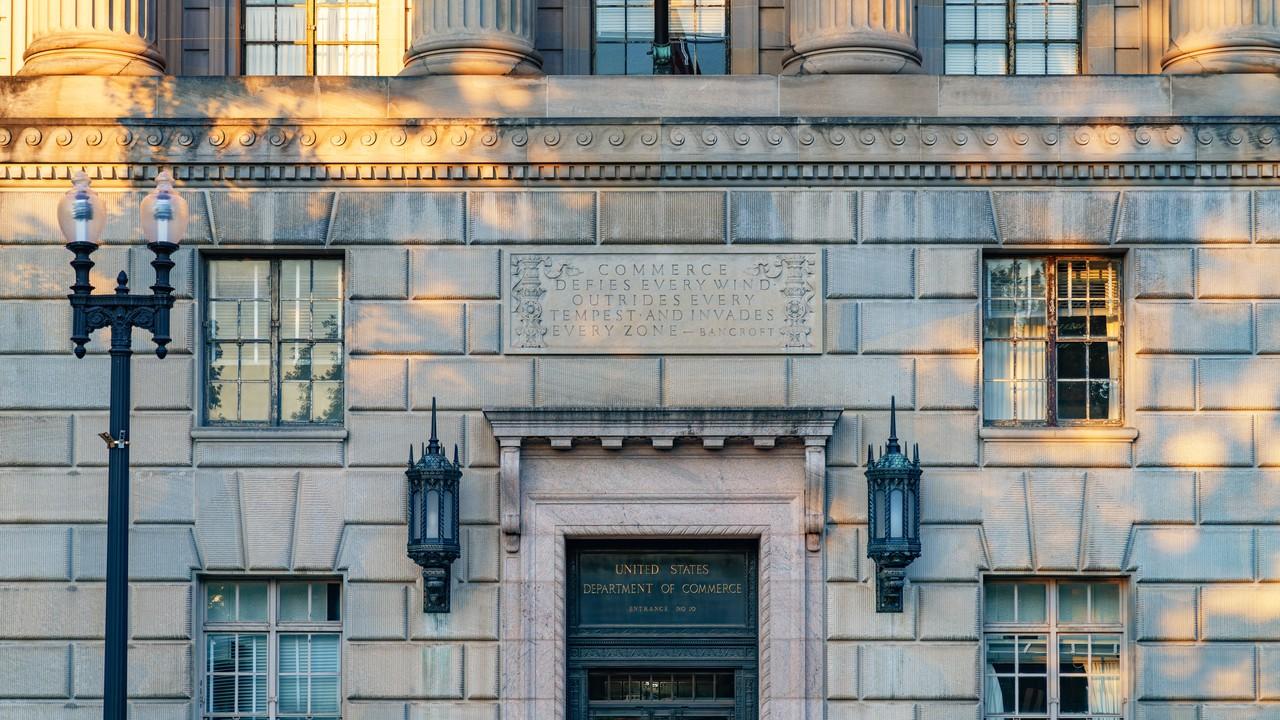
US Commerce Department Unveils Strict New Export Rules on AI Chips and Offshore Data Centers to Close Remote Access Loopholes
Federal regulators at the Bureau of Industry and Security announce sweeping export license requirements for advanced AI chips to prevent restricted foreign adversaries from accessing high-performance computing power via third-country cloud facilities.

Bitcoin Breaches Historic $99,000 Milestone as Institutional Inflows and ETF Momentum Propel Global Crypto Market Past $3.2 Trillion
Bitcoin surged to an all-time record high of $99,014, within inches of the monumental $100,000 psychological threshold, as record-breaking spot ETF inflows and pro-crypto regulatory expectations unleash an unprecedented global digital asset rally.
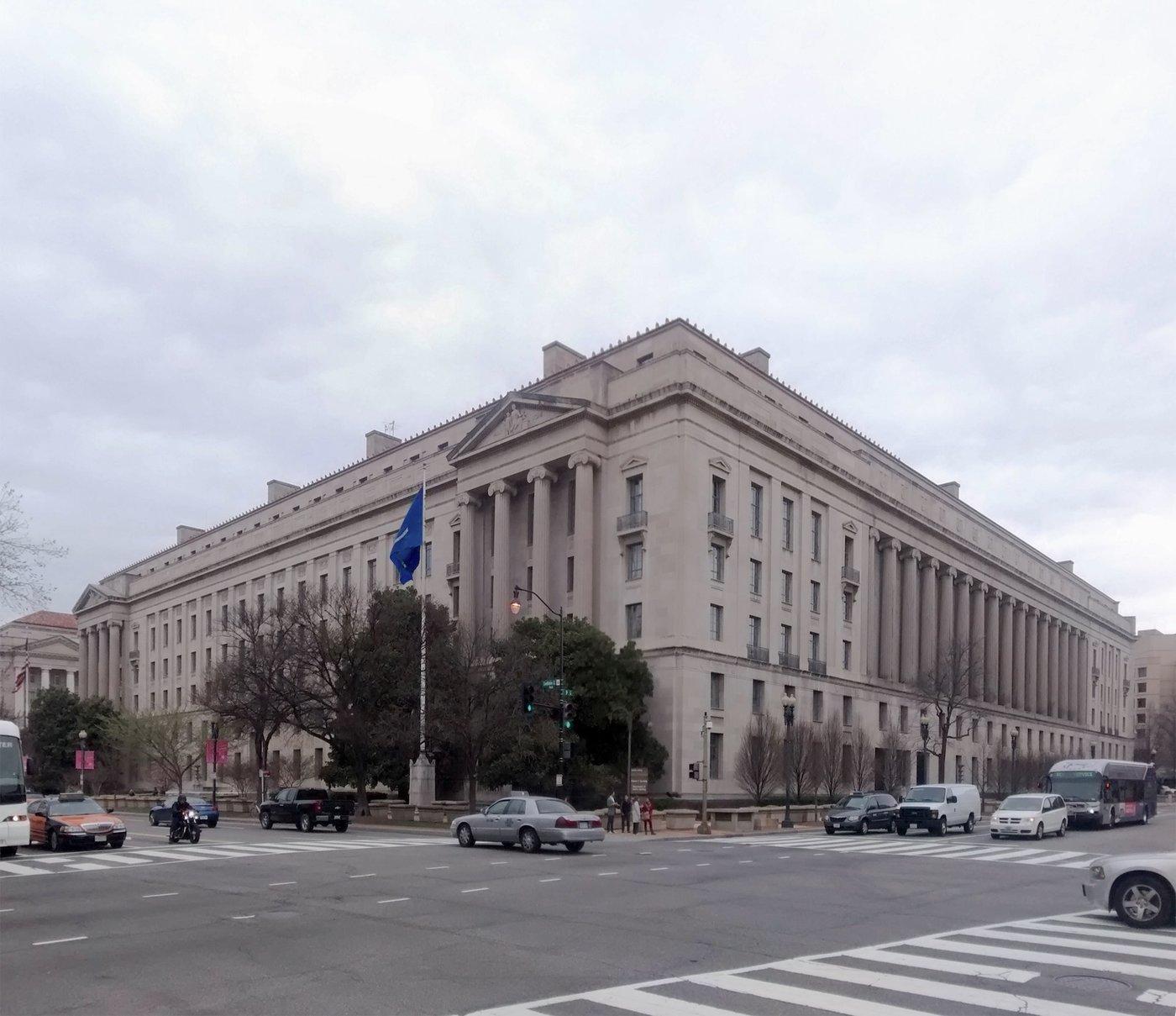
DOJ Formally Demands Google Sell Chrome Browser and End Multi-Billion Dollar Apple Default Deals in Landmark Antitrust Remedy Filing
In the most aggressive federal corporate break-up petition since Standard Oil, the Department of Justice urged a federal judge to force Alphabet to divest its Chrome browser and void exclusive multi-billion-dollar default search distribution agreements.