House Democrats Finalize Aggressive Legislative Strategy to Challenge White House Executive Appointments and Policy Directives
Following the pivotal 2026 midterm election results, congressional Democratic leadership has mapped out an assertive procedural offensive targeting executive confirmations, administrative oversight, and regulatory safeguards.

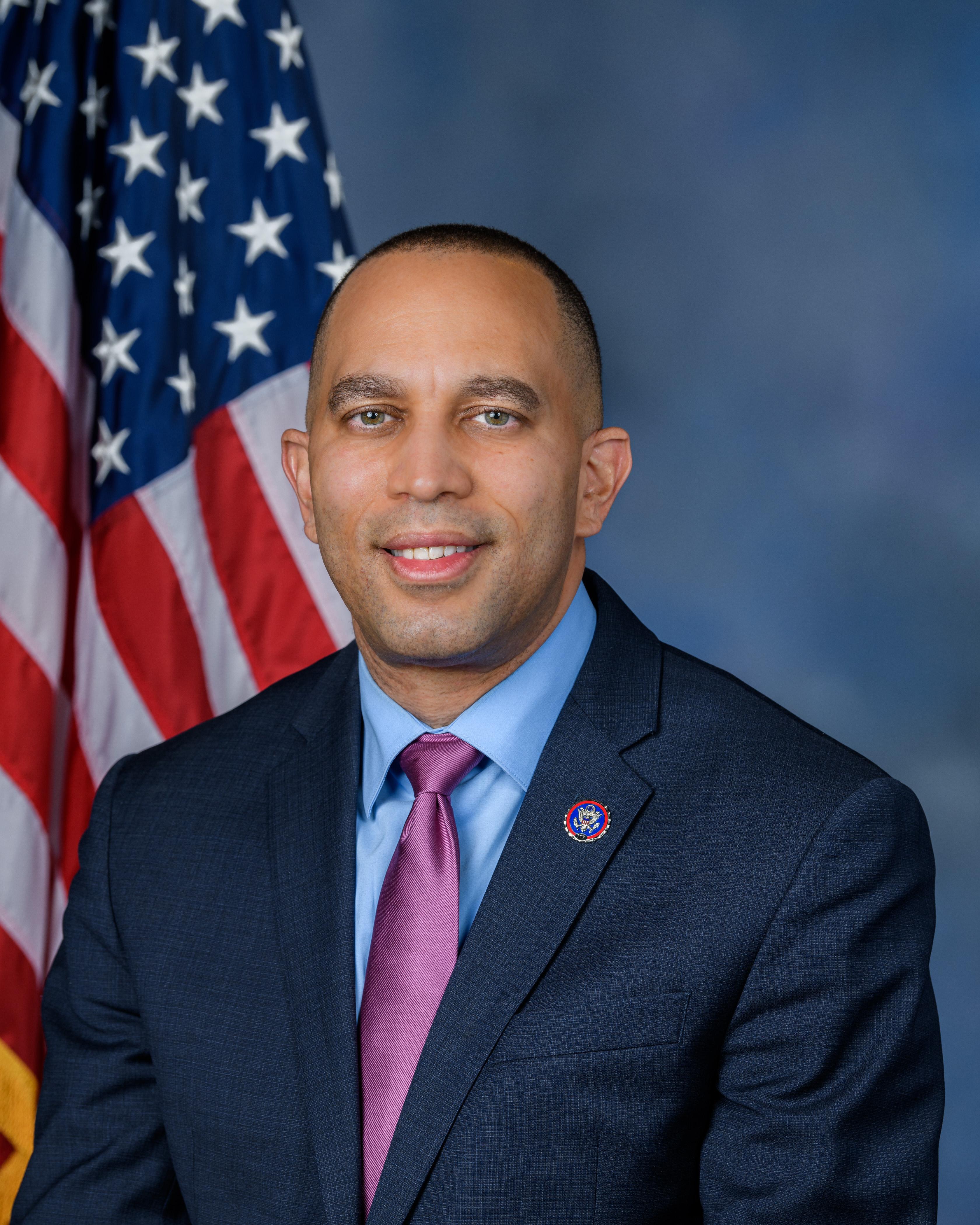
WASHINGTON — In the immediate aftermath of the turbulent 2026 midterm elections, House Democratic leadership convened behind closed doors on Capitol Hill this morning to formally adopt a unified legislative and oversight doctrine designed to confront the second-term agenda of President Donald J. Trump.
Facing an electorate that delivered tight margins across key battleground districts, Democratic lawmakers are preparing a synchronized procedural counterweight aimed at scrutinizing executive branch appointments, challenging contested administrative rule changes, and establishing stringent oversight across federal departments.
Senior leadership officials confirmed that ranking committee members have drafted an expansive docket of oversight inquiries slated for introduction at the start of the 120th Congress. The primary focus of the offensive centers on the executive branch's anticipated cabinet reshuffle, particularly high-profile appointments within the Department of Justice, the Department of Homeland Security, and executive advisory councils. Lawmakers emphasized that committee hearings will aggressively examine potential conflicts of interest, adherence to statutory confirmation protocols, and the deployment of federal personnel.
The strategy marks a definitive transition from campaign rhetoric to concrete governance maneuvering. Democratic strategists point to significant suburban gains in battleground districts as an explicit mandate from voters to install robust checks and balances on presidential authority. In particular, congressional leaders plan to leverage procedural tools, including privileged resolutions, budget riders, and committee document subpoenas, to ensure federal agencies remain responsive to legislative inquiries.
In response, the White House maintained that the administration's policy trajectory reflects the clear economic and security priorities of the American public. Speaking to reporters early Monday, administration spokespersons dismissed the minority caucus's strategy as partisan obstructionism, pledging that key administrative initiatives—ranging from domestic energy deregulation to border enforcement directives—will proceed swiftly through executive mechanisms.
Nevertheless, legal scholars and congressional historians observe that the emerging balance of power promises an intense period of inter-branch friction. With critical fiscal deadlines looming in early 2027, including debt ceiling evaluations and federal appropriations expirations, Democratic negotiators have indicated that executive cooperation on administrative oversight will be an indispensable prerequisite for bipartisan budgetary compromise.
As Capitol Hill prepares for the legislative transition, both parties are positioning themselves for prolonged debates over regulatory oversight, judicial appointments, and statutory guardrails that will define American domestic governance through the remainder of the decade.
Related Coverage

Final Midterm Campaign Blitz Sweeps Battleground States as Early Voting Reaches Historic Highs
With control of both chambers of Congress hanging in the balance, party leaders, President Trump, and high-profile surrogates crisscross crucial swing districts as over 42 million Americans cast ballots ahead of Election Day.

Scrutiny on Healthcare and Medical Debt Grips Tightly Contested Senate Races in Final Push
Contested Senate races in Midwestern and Southwestern battlegrounds face intense last-minute debates over medical billing practices, rural hospital funding, and prescription drug costs.
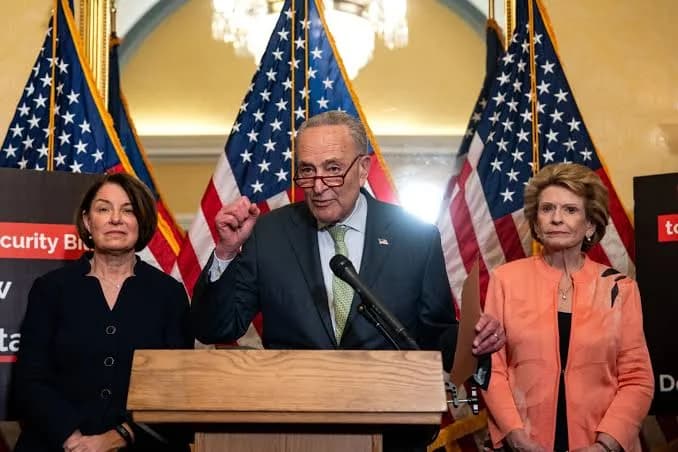
Senate Passes Sweeping Immigration Reform with Bipartisan 62-38 Vote
The US Senate passed sweeping immigration reform 62-38, combining $28 billion in border security with a pathway to legal status for 8 million long-term residents.