U.S. Military Conducts Limited Defensive Strikes in Strait of Hormuz as Diplomatic Talks Advance in Doha
American forces engaged coastal radar installations on Qeshm Island following an unprovoked firing incident on U.S. naval reconnaissance, while high-level backchannel talks continue in Qatar.


WASHINGTON & DOHA — United States Central Command forces carried out precision defensive strikes against coastal radar installations and mobile air-defense batteries near Qeshm Island in the Strait of Hormuz early Monday, following an unprovoked missile launch by Iranian Islamic Revolutionary Guard Corps units targeting an American maritime patrol aircraft operating in international airspace. Defense officials in the Pentagon emphasized that the operation was strictly limited and defensive in nature, aimed at neutralizing direct threats to international shipping corridors and coalition naval personnel.
The military exchange, while underscoring the delicate security equilibrium in the Persian Gulf, was immediately paired with intensive diplomatic maneuvering. Speaking to reporters outside the White House, President Donald Trump confirmed that backchannel communications mediated by Qatari diplomats in Doha remained active, stating that a negotiated framework regarding regional maritime security, uranium enrichment caps, and economic sanctions 'could happen' if all parties demonstrated pragmatic willingness to compromise.
The Strait of Hormuz serves as the critical maritime chokepoint through which approximately one-fifth of the world’s petroleum consumption traverses daily. International commercial shipping associations reported that oil tankers and container vessels continued transit through designated navigational lanes under enhanced escort vigilance by the International Maritime Security Construct, avoiding the catastrophic global shipping shutdown that commodity analysts had initially feared over the weekend.
Diplomatic delegations gathered in the Qatari capital reported constructive preliminary discussions on establishing mutual de-escalation protocols and expanding maritime monitoring buffer zones. Middle Eastern security analysts noted that while hardline factions in Tehran continue to employ calculated military brinkmanship to assert sovereignty, severe domestic economic strain has heightened the Iranian government’s incentive to avoid a full-scale direct kinetic conflict with Western armed forces.
In Washington, bipartisan congressional leadership received closed-door briefings from the Joint Chiefs of Staff and intelligence agencies regarding rules of engagement and force protection measures across Gulf bases. Lawmakers underscored the imperative of safeguarding American service members while urging administration negotiators to exhaust diplomatic avenues to secure lasting guarantees against maritime harassment and nuclear proliferation in the region.
Related Coverage

U.S. Navy Warship Arrives in Bangladesh for CARAT 2026 Maritime Security and Disaster Response Drills
The annual bilateral exercise in the Bay of Bengal focuses on combating illegal maritime trafficking, bolstering humanitarian disaster response, and ensuring free and open Indo-Pacific navigation.

Federal Judge Halts Shawnee National Forest Logging Project Over Endangered Species Concerns
A federal judge has halted a logging project in Illinois’ Shawnee National Forest, ruling the Forest Service violated the Endangered Species Act during approval.
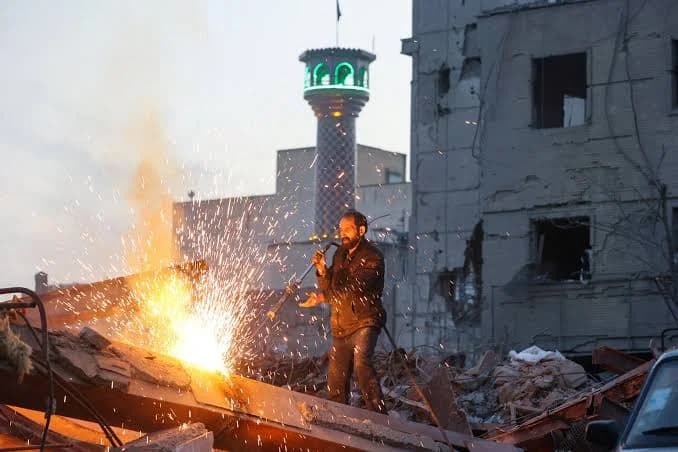
US Strikes Iran for 11th Straight Night as War Costs Hit $37.5 Billion
The US military conducted its 11th consecutive night of airstrikes against Iran as Defense Secretary Hegseth revealed the conflict has cost $37.5 billion. Four service members have been killed.