U.S. Navy Warship Arrives in Bangladesh for CARAT 2026 Maritime Security and Disaster Response Drills
The annual bilateral exercise in the Bay of Bengal focuses on combating illegal maritime trafficking, bolstering humanitarian disaster response, and ensuring free and open Indo-Pacific navigation.


CHATTOGRAM, Bangladesh — The United States Navy littoral combatant ship USS Warrior docked at Chattogram Port on Monday, marking the official commencement of the 32nd annual Cooperation Afloat Readiness and Training (CARAT) exercise conducted jointly with the Bangladesh Navy and Coast Guard. The comprehensive week-long operational drills will focus on enhancing interoperability, countering illicit maritime trafficking, refining search-and-rescue protocols, and improving humanitarian disaster coordination across the northern Bay of Bengal.
The Bay of Bengal represents a vital maritime crossroads connecting Indian Ocean trade corridors with Southeast Asian economies, while also standing as one of the world's most vulnerable geographic zones to catastrophic tropical cyclones, sea-level surges, and coastal flooding. The CARAT 2026 program integrates specialized training modules covering unmanned aerial reconnaissance, shallow-water diving salvage, tactical surface communications, and rapid medical triage operations during post-disaster scenarios.
Senior naval leadership from both partner nations participated in an opening ceremony aboard the Bangladesh naval vessel BNS Somudra Joy. 'Our bilateral maritime partnership with Bangladesh is indispensable for maintaining regional peace, maritime stability, and unobstructed commercial navigation throughout the Indo-Pacific,' stated U.S. 7th Fleet representatives during the welcoming address. 'This exercise demonstrates our unwavering commitment to empowering local navies with advanced domain awareness and interoperable rescue capabilities.'
In addition to naval tactics, civilian emergency responders and international humanitarian coordinators will participate in table-top disaster simulation exercises. The sessions will evaluate response timelines and logistical supply chains in the event of a Category 5 cyclone striking coastal lowlands, testing satellite imagery integration and automated supply distribution platforms deployed by international relief agencies.
Regional security analysts view the ongoing naval cooperation as a vital element of broader diplomatic engagement in South Asia. By investing in practical humanitarian assistance, technical maritime skills exchange, and non-combatant evacuation operations, the United States continues to build resilient security partnerships that safeguard vital sea lanes and foster collaborative stability across the Indian Ocean basin.
Related Coverage

U.S. Military Conducts Limited Defensive Strikes in Strait of Hormuz as Diplomatic Talks Advance in Doha
American forces engaged coastal radar installations on Qeshm Island following an unprovoked firing incident on U.S. naval reconnaissance, while high-level backchannel talks continue in Qatar.

Federal Judge Halts Shawnee National Forest Logging Project Over Endangered Species Concerns
A federal judge has halted a logging project in Illinois’ Shawnee National Forest, ruling the Forest Service violated the Endangered Species Act during approval.
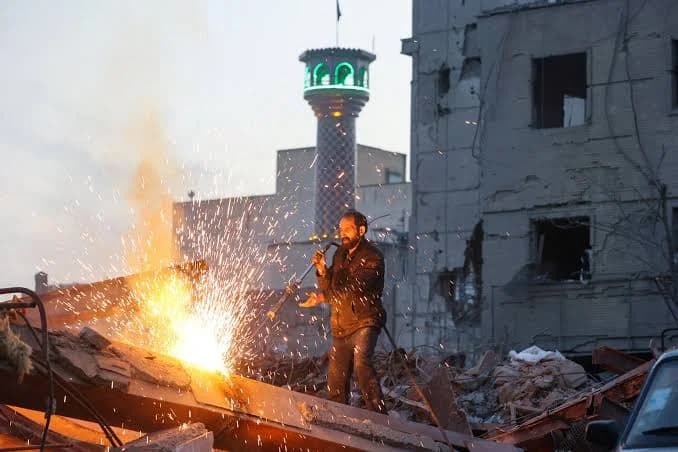
US Strikes Iran for 11th Straight Night as War Costs Hit $37.5 Billion
The US military conducted its 11th consecutive night of airstrikes against Iran as Defense Secretary Hegseth revealed the conflict has cost $37.5 billion. Four service members have been killed.