Record 80 Million Americans Travel for Thanksgiving as Severe Winter Storms and High Winds Disrupt Midwest Transit Hubs
A historic holiday travel rush reaches peak intensity across the United States with AAA projecting nearly 80 million people on the move, while airline networks and state departments of transportation navigate severe snowstorms and turbulent winds.

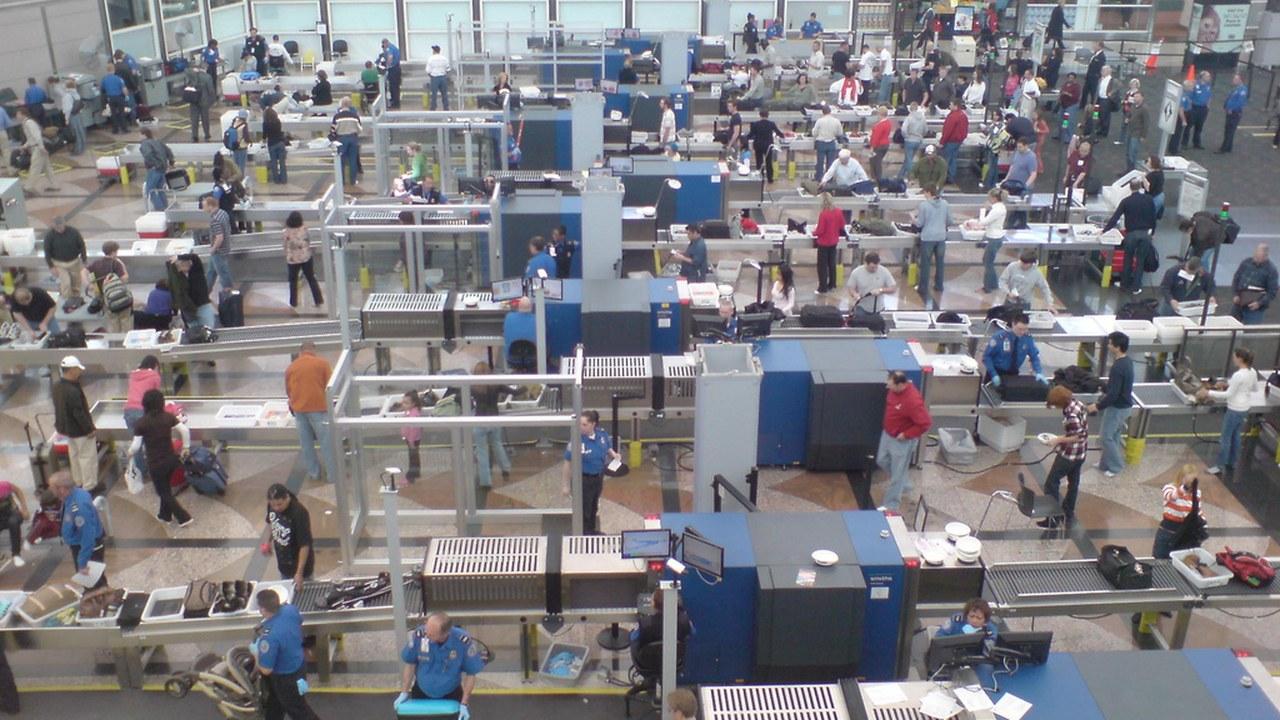
CHICAGO — The busiest holiday travel period in American history reached its peak on Thursday as an estimated 79.9 million people traveled fifty miles or more from home for Thanksgiving, according to tracking estimates from the American Automobile Association (AAA). However, record-breaking travel volume coincided with a potent early-winter storm system that swept across the Upper Midwest and Great Lakes, bringing heavy lake-effect snowfall, freezing rain, and gusty winds that created significant logistical challenges for air carriers and highway motorists.
The Transportation Security Administration (TSA) reported screening over three million airline passengers in a single twenty-four-hour period, setting an all-time operational record for United States commercial aviation. Major international hub airports, including Chicago O'Hare, Denver International, Atlanta Hartsfield-Jackson, and New York JFK, operated at peak runway capacity, deploying thousands of additional ground personnel and de-icing crews to minimize schedule disruptions.
Despite airline investments in advanced predictive scheduling and improved customer notification software, weather delays cascaded across key air corridors on Wednesday evening into Thursday morning. The National Weather Service issued winter weather advisories and blizzard warnings across Michigan, Wisconsin, and upstate New York, where localized snowfall rates exceeded two inches per hour, complicating interstate highway transit along corridors such as I-80, I-90, and I-94.
On the nation's roadways, where more than 71 million travelers made their journeys by automobile, drivers experienced substantial holiday congestion around major metropolitan exits. State police departments and transportation agencies deployed extra road patrols to assist stranded motorists, reminding holiday travelers to monitor road condition feeds, carry emergency roadside kits, and exercise heightened caution on snow-covered mountain passes and icy overpasses.
Transportation officials emphasized that despite localized weather disruptions, the overarching transportation network demonstrated remarkable resilience compared to previous holiday seasons. As families arrive safely at holiday dinner tables across the country, airlines and transit agencies are already bracing for an equally massive return wave projected to peak between Sunday afternoon and Monday morning.
Related Coverage

The Vanity of Alina Habba Mildon: Beauty, Power, Ambition and the Price of Loyalty
From the corridors of the White House to the 240-year-old Herrera Velutini banking dynasty: how a reported $50M legal empire and a $10M wedding collided with presidential fury at Mar-a-Lago.
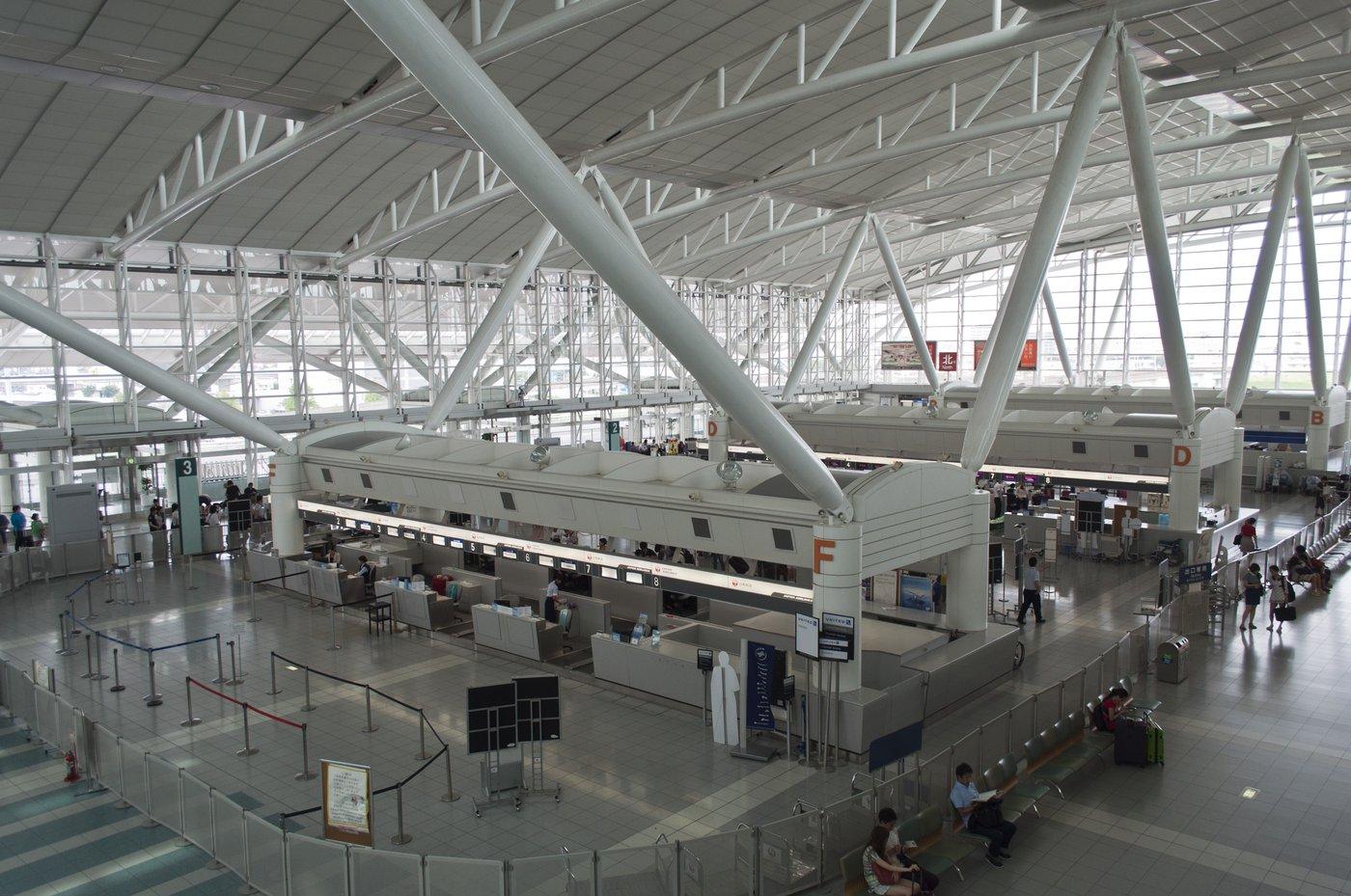
AAA Projects Record 80 Million Americans Traveling for Thanksgiving Holiday as Severe Winter Weather Threatens Major Transit Hubs
The American Automobile Association issued a historic holiday forecast projecting 79.9 million Americans will travel over Thanksgiving week, setting all-time travel records on highways and airports as airlines and transit authorities brace for storm delays.
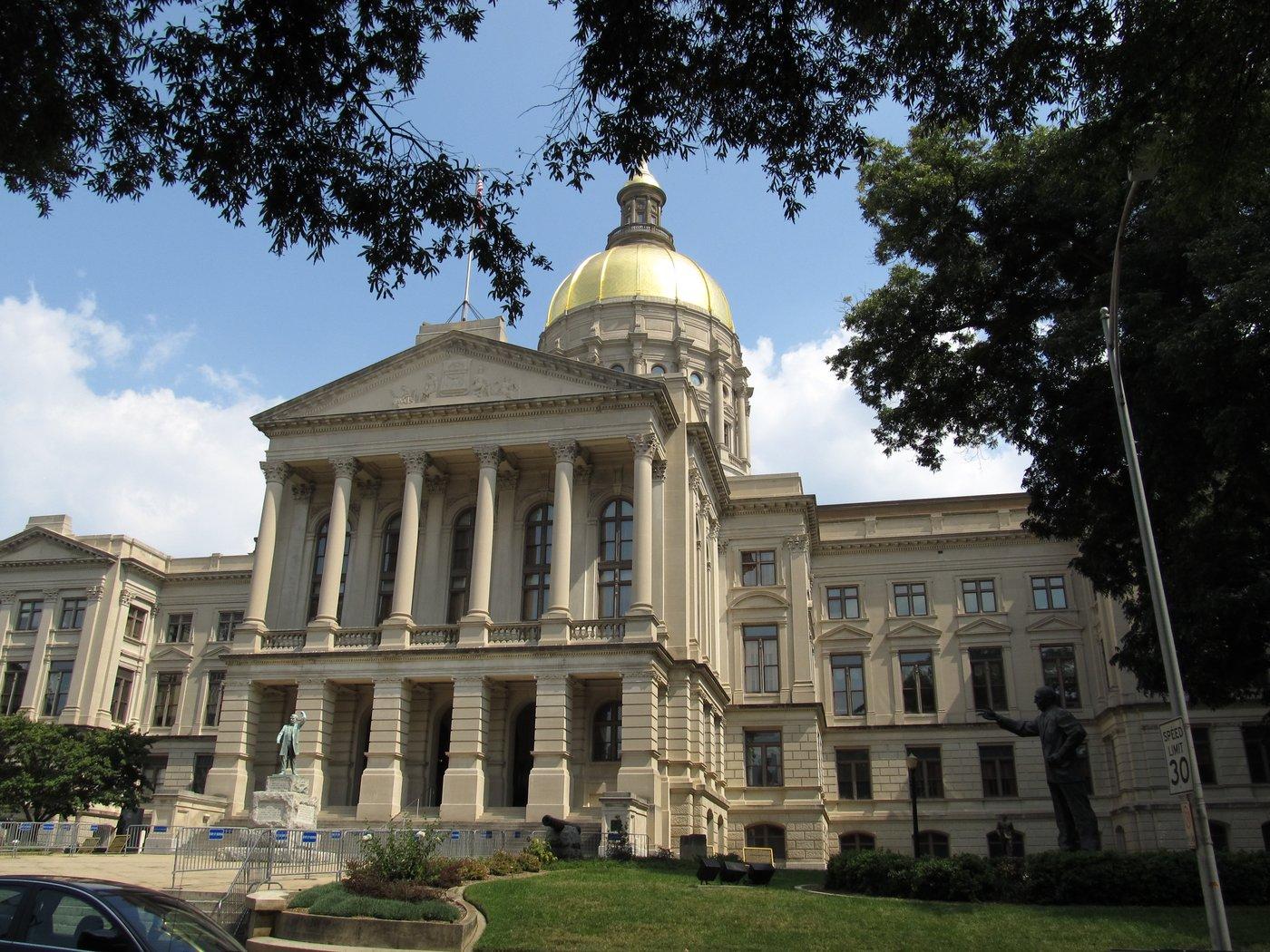
Jose Ibarra Found Guilty on All 10 Counts in Murder of Nursing Student Laken Riley, Sentenced to Life in Prison Without Parole
Following a gripping bench trial in Athens, Georgia, Superior Court Judge H. Patrick Haggard convicted Venezuelan migrant Jose Ibarra on all 10 criminal charges in the February slaying of 22-year-old nursing student Laken Riley, immediately handing down a life sentence without parole.