U.S. Retail Sales Post Measured October Growth as NRF Forecasts Record $1 Trillion Holiday Season Amid Sticky Inflation
Commerce Department data released Tuesday morning showed U.S. retail sales edged up 0.2% in October, while the National Retail Federation issued a milestone forecast predicting total American holiday spending will surpass $1.013 trillion for the first time in history.


NEW YORK — American consumers demonstrated persistent resilience heading into the critical year-end shopping corridor, according to official economic data released Tuesday morning by the U.S. Department of Commerce. Headline retail and food services sales rose by a seasonally adjusted 0.2 percent in October, while core retail sales—which exclude volatile automobile dealerships and gasoline service stations—advanced by 0.4 percent, matching Wall Street expectations and signaling that household spending remains durable despite elevated borrowing costs.
Simultaneously, the National Retail Federation (NRF) released its annual holiday economic forecast from its headquarters in Washington, projecting that total U.S. holiday retail sales across November and December will climb by 4.2 percent year-over-year to reach a record $1.013 trillion. If realized, the 2026 shopping season will represent the first time in American economic history that seasonal retail spending crosses the $1 trillion threshold, fueled by strong consumer adoption of digital e-commerce channels and omnichannel fulfillment options.
However, retail economists and market strategists caution that the record headline figure reflects a nuanced and bifurcated consumer reality. While low national unemployment and substantial home equity gains continue to bolster upper- and middle-income household budgets, persistent price increases in groceries, utilities, and auto insurance have eroded discretionary purchasing power for working-class families. Much of the projected 4.2 percent dollar growth is driven by elevated unit prices rather than dramatic surges in physical purchase volumes.
'The American consumer continues to demonstrate an extraordinary ability to adapt and prioritize holiday traditions, but budget discipline will be the defining hallmark of the 2026 season,' noted Matthew Shay, president and CEO of the NRF. 'Shoppers are strategically scouring digital platforms for promotional discounts, leveraging flexible payment arrangements, and spreading out purchases over multiple months to manage cash flow.'
On Wall Street, the retail data reinforced investor sentiment that the Federal Reserve will maintain a deliberate, data-dependent stance at its final Federal Open Market Committee meeting of the year in December. With the benchmark federal funds rate anchored near 4.00 percent, Fed policymakers are monitoring consumer spending closely to ensure that resilient domestic demand does not rekindle stubborn service-sector inflation pressures. Major retail shares, including Walmart, Target, and Amazon, traded modestly higher following the release.
Related Coverage
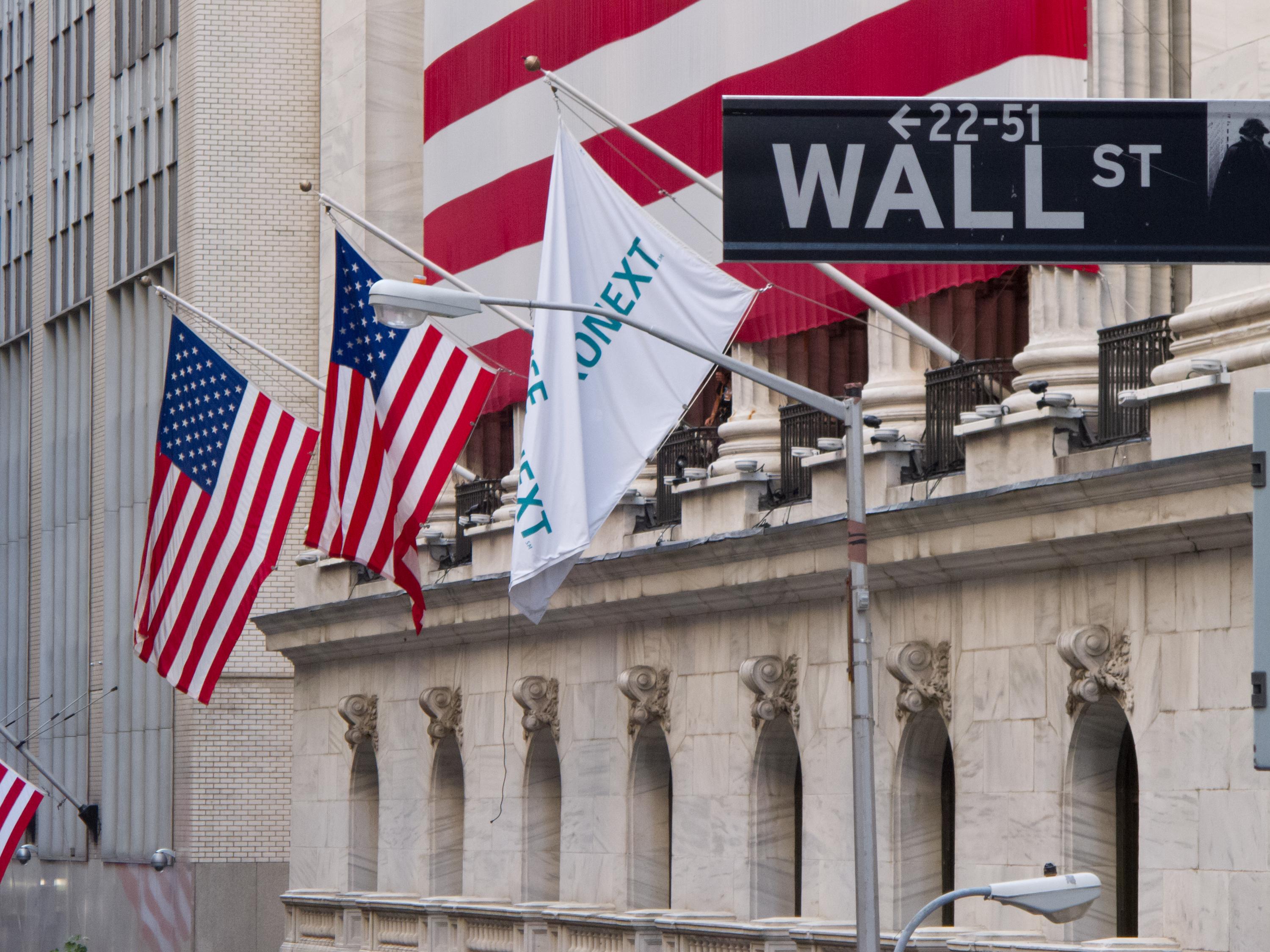
Wall Street Tech Rally Surges on Nvidia's $150 Billion Buyback and Record Cloud AI Infrastructure Capital Expenditure
Major U.S. stock indices rallied sharply on Wednesday as Nvidia's blowout financial results, massive share repurchase plan, and bullish forward cloud guidance dissipated investor concerns over artificial intelligence capital expenditure fatigue.

Asian and Global Markets Trade Cautiously Ahead of Crucial Nvidia Earnings and Landmark Anthropic IPO as Crude Stabilizes
World stock indexes moved sideways on Monday as institutional investors calibrated positions ahead of Nvidia's make-or-break fourth-quarter earnings report and Anthropic's multi-billion dollar public debut, while Brent crude retreated below $95 following diplomatic de-escalation signals in the Gulf.
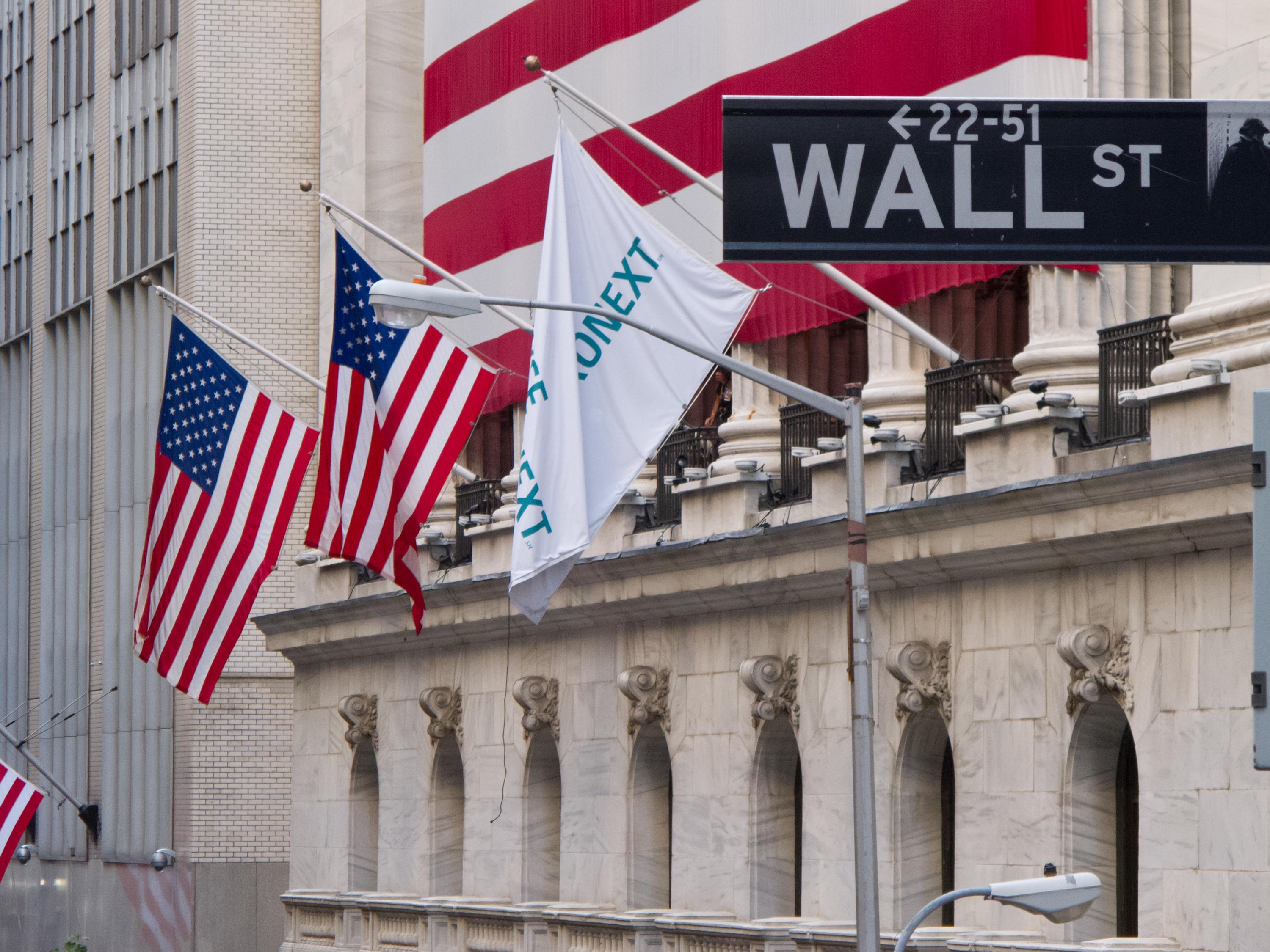
Wholesale PPI Inflation Climbs to 6.5% Annual Rate as 10-Year Treasury Yields Spike Past 5.1%
Despite a modest 0.3% monthly rise, annual wholesale inflation accelerated to its fastest pace since late 2022, cementing expectations of a hawkish Federal Reserve interest rate stance and rattling bond markets.