Wholesale PPI Inflation Climbs to 6.5% Annual Rate as 10-Year Treasury Yields Spike Past 5.1%
Despite a modest 0.3% monthly rise, annual wholesale inflation accelerated to its fastest pace since late 2022, cementing expectations of a hawkish Federal Reserve interest rate stance and rattling bond markets.

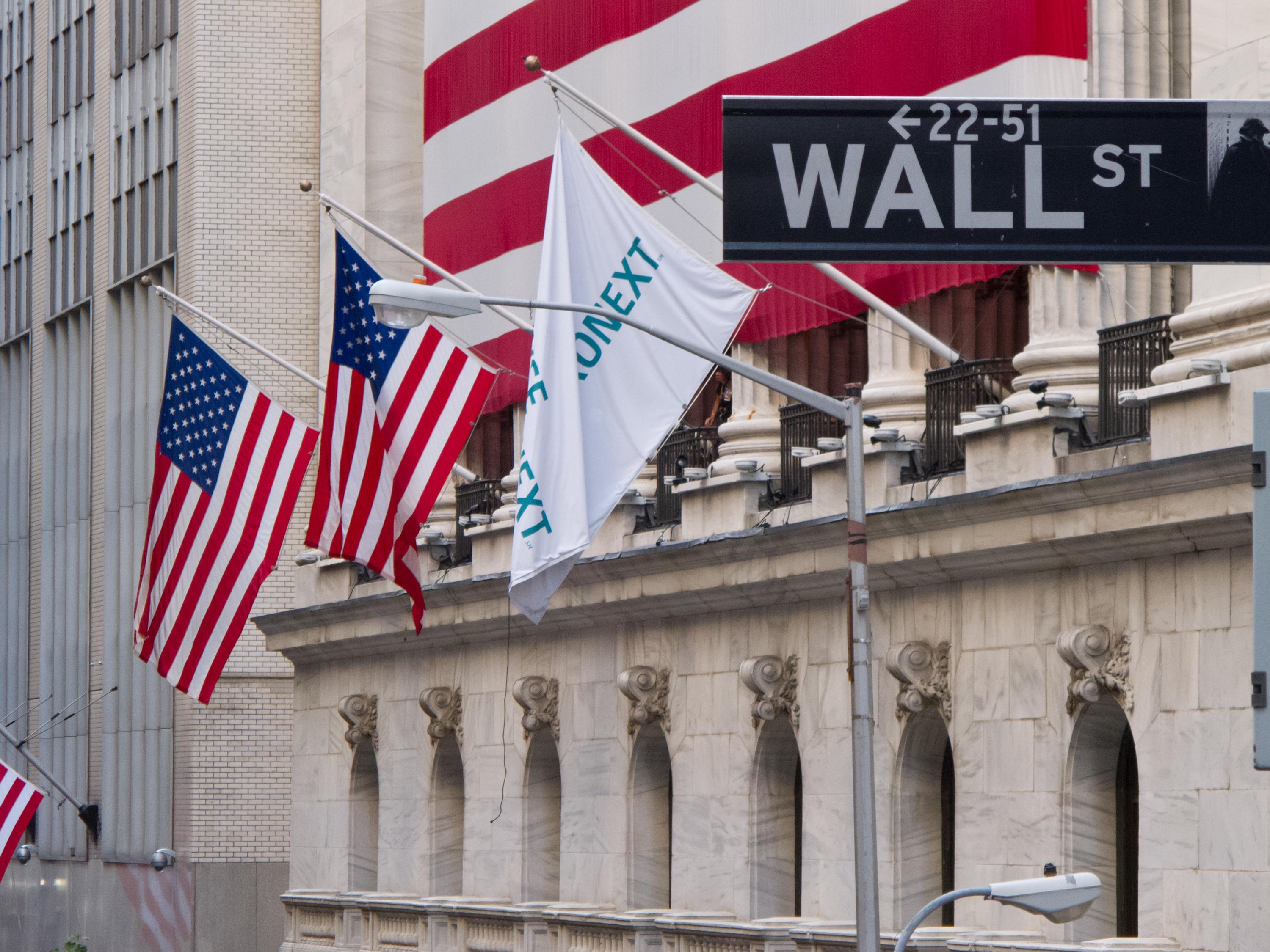
NEW YORK — Inflationary pressures across the American industrial supply chain surged to their highest annual levels in four years, according to benchmark data published by the Bureau of Labor Statistics on Friday, sending shockwaves through fixed-income markets and pushing the benchmark 10-year U.S. Treasury yield above 5.1 percent.
While headline wholesale prices increased by a seemingly modest 0.3 percent on a seasonally adjusted monthly basis in October—slightly below market expectations—the annual rate of wholesale inflation accelerated to an alarming 6.5 percent, climbing from 6.3 percent in September to mark the steepest year-over-year wholesale price surge recorded since November 2022. Core PPI, which strips out volatile food and energy expenditures, remained intensely stubborn at 5.0 percent annualized.
Economists analyzing the underlying index components noted that persistent geopolitical instability across Middle Eastern maritime lanes has steadily elevated diesel, marine freight tariffs, and warehousing costs, which are now cascading downstream into industrial intermediate goods. The structural nature of these upstream costs indicates that consumer inflation is unlikely to cool toward the central bank's target without prolonged monetary tightening.
'The wholesale numbers confirm what institutional trading desks have feared for weeks: supply-side inflation is not retreating,' remarked the chief macroeconomic strategist at a major Wall Street investment bank. 'When input costs rise at 6.5 percent annually, corporate margins either contract sharply or manufacturers pass those costs directly to consumer retail shelves. For Federal Reserve policymakers heading into their December meeting, the case for keeping interest rates elevated—or even delivering an additional rate hike—is overwhelmingly compelling.'
Equity indices endured wild intraday swings as tech shares digested the fallout from Nvidia CEO Jensen Huang's shock departure, though capital rapidly rotated into semiconductor competitors like AMD and Broadcom, which posted double-digit weekly gains. With borrowing costs pinned near generational highs and currency markets maintaining multi-year dollar strength, institutional investors are girding for tighter financial conditions through the opening quarters of 2027.
Related Coverage
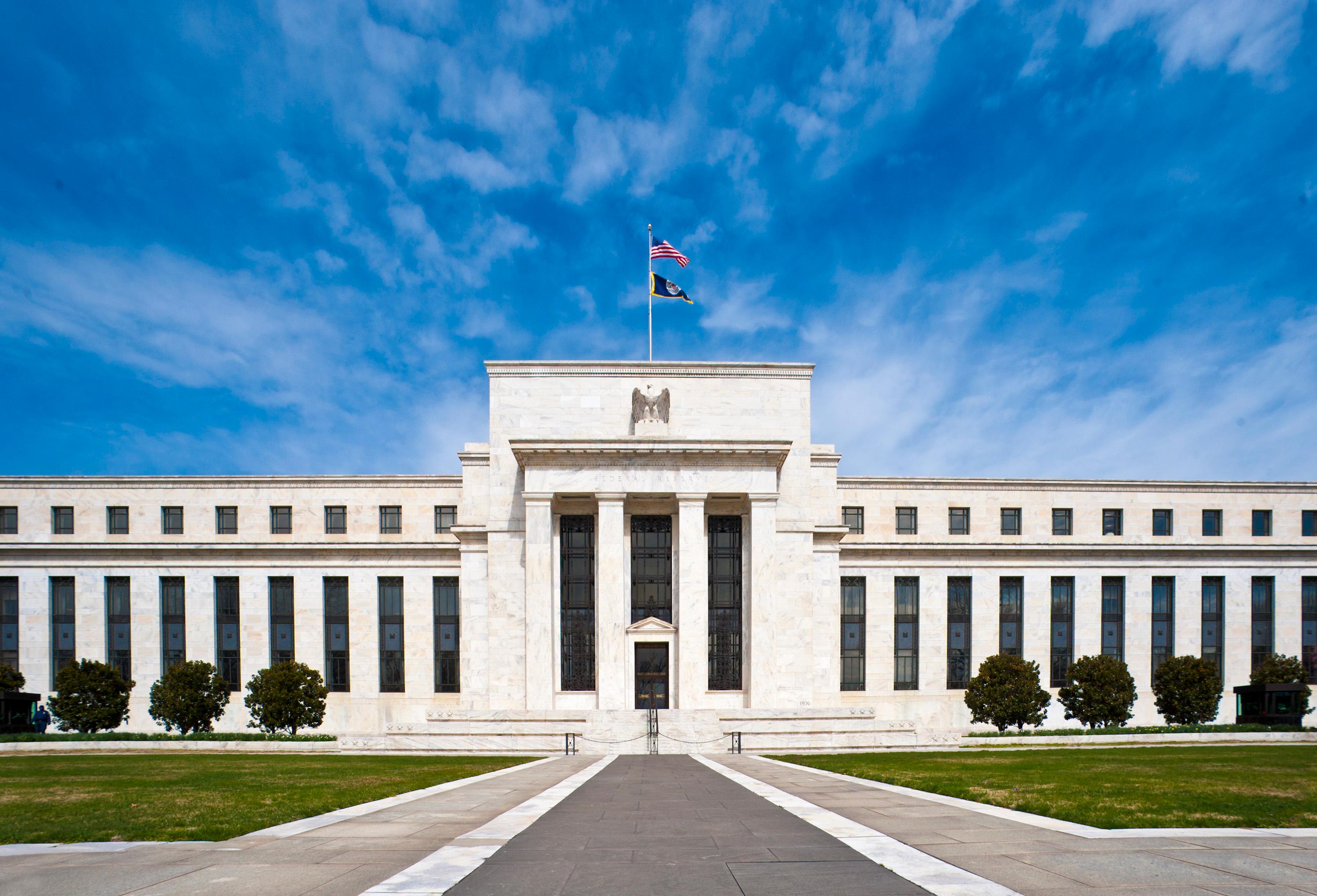
Wall Street Gripped by Volatility as Sticky Inflation Drives Federal Reserve Rate Hike Odds to 85%
Global markets faced heightened selling pressure ahead of crucial wholesale price index figures, with institutional bond desks rapidly pricing in an aggressive Federal Reserve policy tightening at the December FOMC summit.
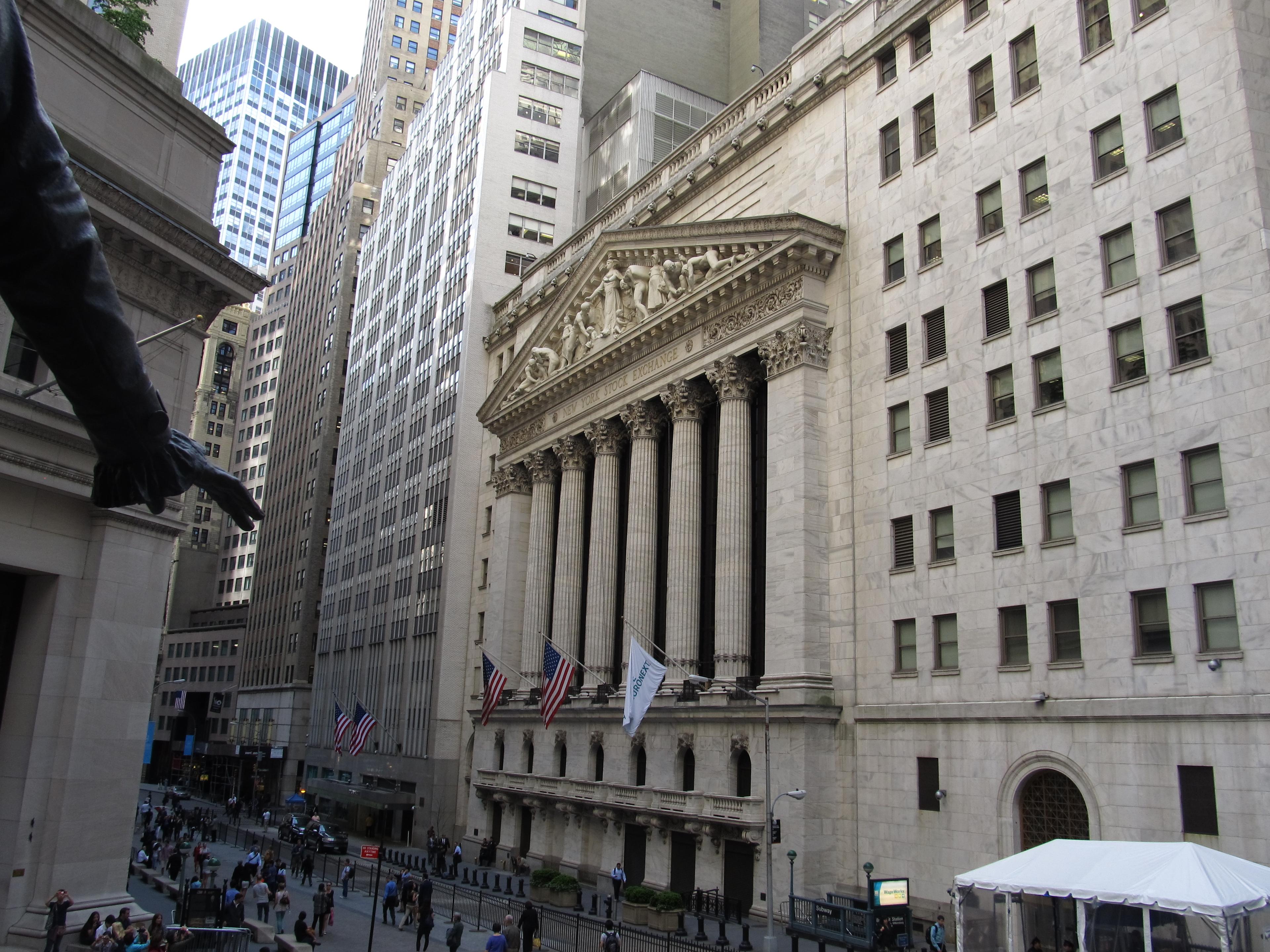
Wall Street Rebounds Sharply on CoreWeave AI Surge While Dollar Hits Yearly High Ahead of Inflation Data
Major U.S. equity benchmarks posted strong gains led by cloud infrastructure provider CoreWeave, even as after-hours scrutiny over Nvidia leadership and hawkish Federal Reserve expectations pushed the U.S. dollar to fresh yearly peaks.

Crude Oil Prices Drop Below $90 as Geopolitical Risk Premiums Evaporate Across Global Energy Markets
Global crude benchmarks recorded their steepest two-day drop of the quarter, as Brent tumbled below $90 per barrel following diplomatic breakthroughs in the Persian Gulf and record domestic inventory accumulations reported by the U.S. Energy Information Administration.