Wall Street Rallies as Dow Futures Surge and Treasury Yields Tumble Following Scott Bessent’s Treasury Nomination
Financial markets across the globe surged as benchmark 10-year Treasury yields fell and Dow futures gained over 300 points, buoyed by investor relief over Scott Bessent's market-friendly economic stewardship.

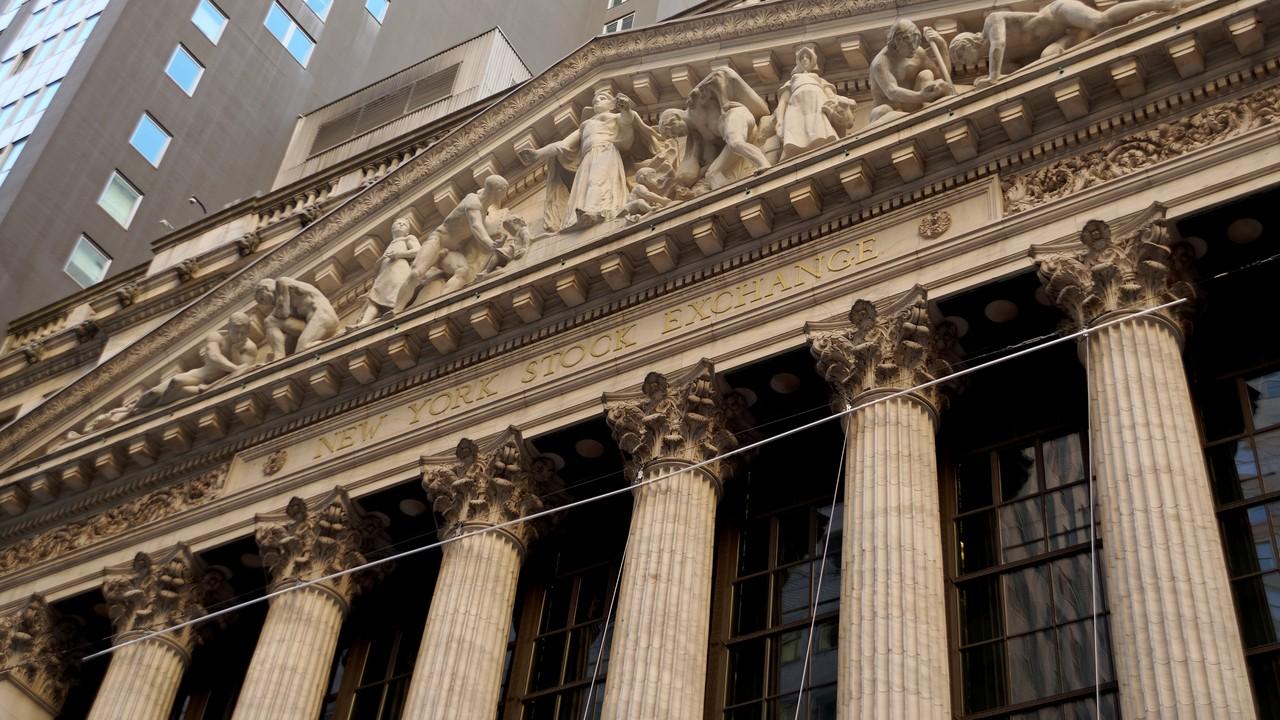
NEW YORK — Global financial markets opened the trading week with decisive rallies across equities and sovereign debt instruments, as institutional investors and bond market participants responded with palpable relief to the nomination of veteran macro hedge fund executive Scott Bessent as the next United States Treasury Secretary.
Stock index futures advanced sharply in overnight and pre-market sessions, with Dow Jones Industrial Average futures surging more than 350 points, or 0.8 percent, pushing blue-chip valuations toward fresh all-time highs. The broader S&P 500 futures added 0.6 percent while the tech-heavy Nasdaq-100 gained 0.7 percent, signaling broad-based sector participation spanning manufacturing, financials, and consumer cyclicals.
The most profound reaction unfolded across the $28 trillion United States Treasury bond market, where benchmark yields declined precipitously across the curve. The yield on the 10-year Treasury note dropped roughly 8 basis points to trade near 4.33 percent, while 30-year bond yields fell 9 basis points to 4.51 percent, reversing weeks of steep yield increases that had been stoked by investor anxieties over spiraling federal debt deficits and runaway trade tariffs.
Wall Street analysts and institutional fund managers widely interpreted Bessent's appointment as a stabilizing anchor for fiscal policy. Regarded throughout his decades at Soros Fund Management and Key Square Capital as a disciplined risk manager, Bessent has advocated for gradual, phased-in tariff implementations calibrated to preserve financial stability and avoid reigniting domestic consumer inflation.
Market strategists noted that Bessent's stated commitment to deficit reduction and dollar stability removes significant tail-risk uncertainty that had hung over institutional balance sheets since early November. The US Dollar Index retreated moderately against major currencies as sovereign borrowing costs eased, creating favorable liquidity conditions across equity desks and commercial credit spreads ahead of the holiday trading period.
Related Coverage
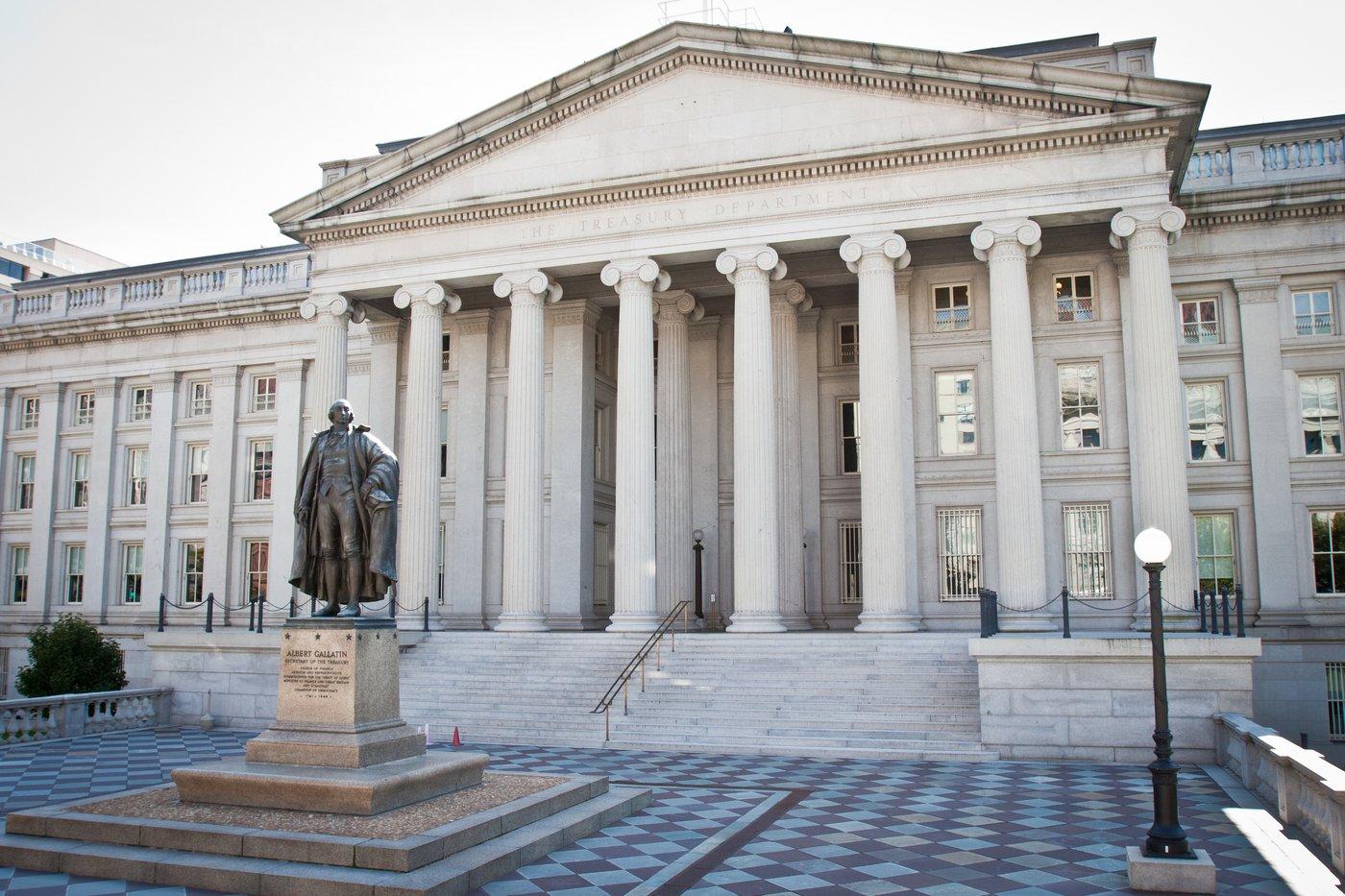
US Treasury Slams Gazprombank and 50 Russian Financial Institutions with Sweeping Sanctions, Severing Moscow's European Energy Pipeline
The Biden administration enacted its most aggressive financial blockade of the war, imposing full blocking sanctions on Gazprombank and over 50 Russian internationally connected lenders to choke off Moscow's billions in energy revenues.

Gautam Adani Indicted in US Federal Court in Brooklyn Over Alleged $250 Million Bribery Scheme for Solar Energy Contracts
Federal prosecutors in New York unsealed an indictment charging Indian industrialist Gautam Adani and seven senior corporate executives with paying over $250 million in bribes to Indian government officials to secure lucrative solar power contracts while defrauding US investors.

Wall Street Calibrates Fed Easing Odds as 10-Year Treasury Yield Surges Following Post-Election 'Trump Trade' and Resilient Consumer Data
Bond markets experienced substantial volatility as the benchmark 10-year US Treasury yield hovered near 4.45%, forcing institutional investors to recalibrate their expectations for Federal Reserve interest rate cuts amid stronger-than-expected retail spending and prospective tariff adjustments.