
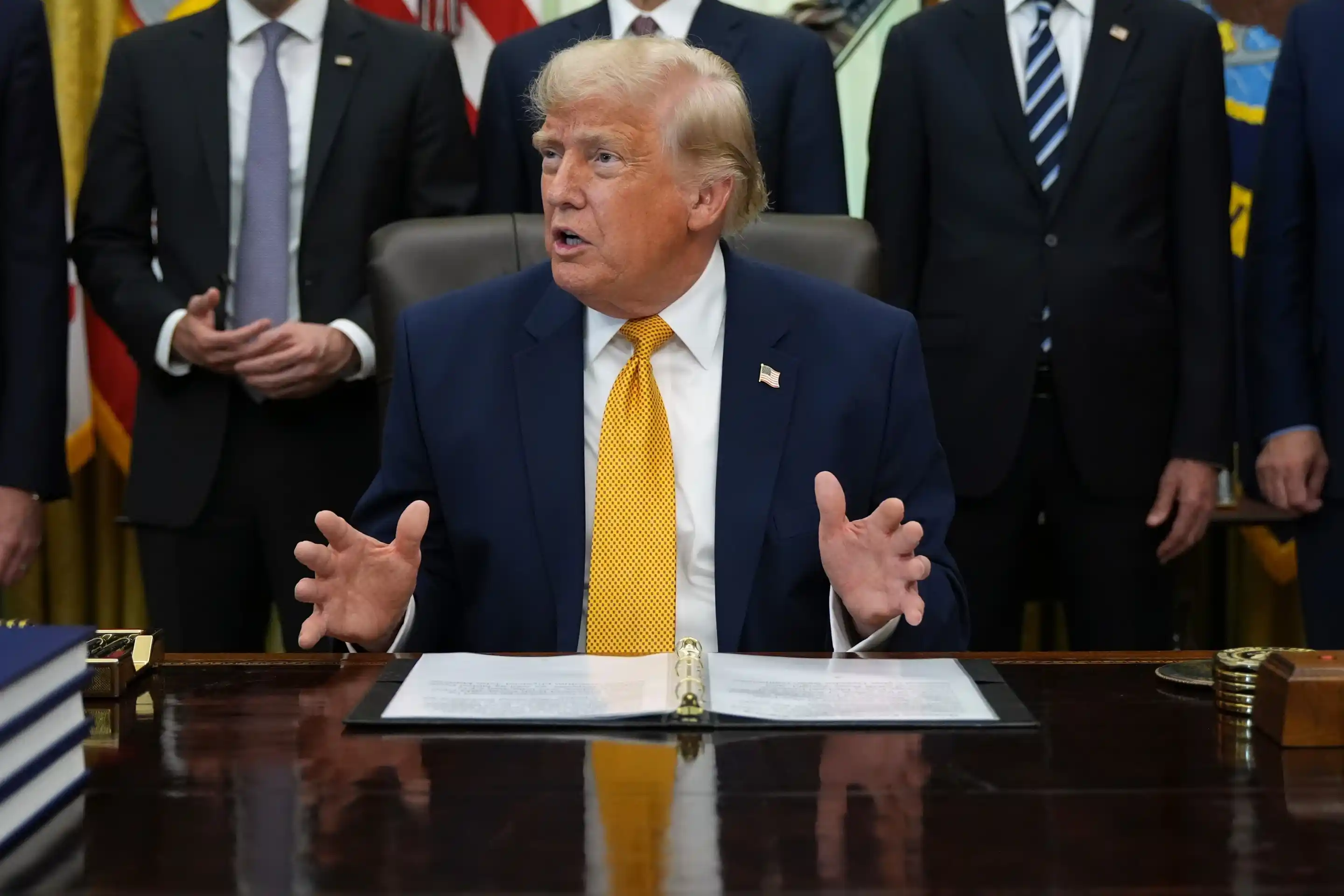

The U.S. Supreme Court cleared the way for the Trump administration to end Temporary Protected Status (TPS) for Syrians and Haitians, potentially affecting hundreds of thousands of migrants.

Supreme Court Backs Trump on TPS for Migrants
"The U.S. Supreme Court cleared the way for the Trump administration to end Temporary Protected Status (TPS) for Syrians..."
Supreme Court Allows End of TPS Protections
The U.S. Supreme Court has allowed President Donald Trump’s administration to move ahead with ending Temporary Protected Status (TPS) for migrants from Syria and Haiti, a ruling that could leave hundreds of thousands of people facing possible deportation after years of legal residence in the United States. The decision removes a legal barrier that had slowed efforts to roll back protections for nationals from countries affected by conflict, natural disasters or prolonged instability. TPS has for decades allowed eligible migrants to live and work legally in the U.S. while conditions in their home countries remain unsafe. For the Trump administration, the ruling represents a significant victory for its immigration agenda, which focuses on tightening humanitarian protections and expanding deportation enforcement. Officials have not yet announced a detailed implementation timeline, but the decision clears the way for federal agencies to begin winding down TPS designations.
Hundreds of Thousands Could Be Affected
The policy change could impact large numbers of migrants who have legally lived in the United States under TPS for many years, including individuals from Haiti and Syria who originally received protection because of severe instability in their home countries. Advocates warn the consequences could be significant, noting that Haiti continues to struggle with political instability and humanitarian crises while Syria remains affected by prolonged conflict and displacement. Supporters of TPS argue that ending the program could disrupt families, workplaces and communities where recipients have established deep roots and contributed to the economy. Even with the Supreme Court’s decision, the ultimate impact will depend on how federal agencies implement the transition and whether additional legal challenges emerge.
Dispute Focused on Executive Authority
The case centered on how much authority the executive branch has to terminate TPS designations without extended judicial or procedural limitations. The Supreme Court sided with broad executive discretion in administering immigration protections tied to changing conditions in foreign countries. The Trump administration argued that TPS was always intended as a temporary humanitarian program rather than a permanent path to residency and that decisions to extend or end protections should remain within executive authority. Opponents, including immigrant rights organizations and several state officials, argued that ending protections without additional safeguards creates uncertainty for long-term residents and weakens legal stability. The ruling is expected to influence future legal battles involving immigration enforcement and humanitarian protection programs.
Part of Broader Immigration Policy Changes
The decision forms part of the Trump administration’s broader effort to reshape U.S. immigration policy through stricter asylum rules, expanded deportation enforcement and reviews of humanitarian programs. Temporary Protected Status has remained a central issue in immigration debates for years, with different administrations expanding or reducing protections based on global conditions and policy priorities. With the Supreme Court’s decision, the administration now has stronger legal support to move forward with changes to TPS designations and potentially pursue additional immigration policy reforms. The pace of implementation and any further legal challenges will determine how quickly the changes take effect, while affected families continue to face uncertainty about their future in the United States.
By Antonia Allison — Immigration
US news journalist, American news reporter, US politics news writer, breaking US news, US policy analysis, federal government news, US economy news, international US coverage