Crude Oil Prices Drop Below $90 as Geopolitical Risk Premiums Evaporate Across Global Energy Markets
Global crude benchmarks recorded their steepest two-day drop of the quarter, as Brent tumbled below $90 per barrel following diplomatic breakthroughs in the Persian Gulf and record domestic inventory accumulations reported by the U.S. Energy Information Administration.

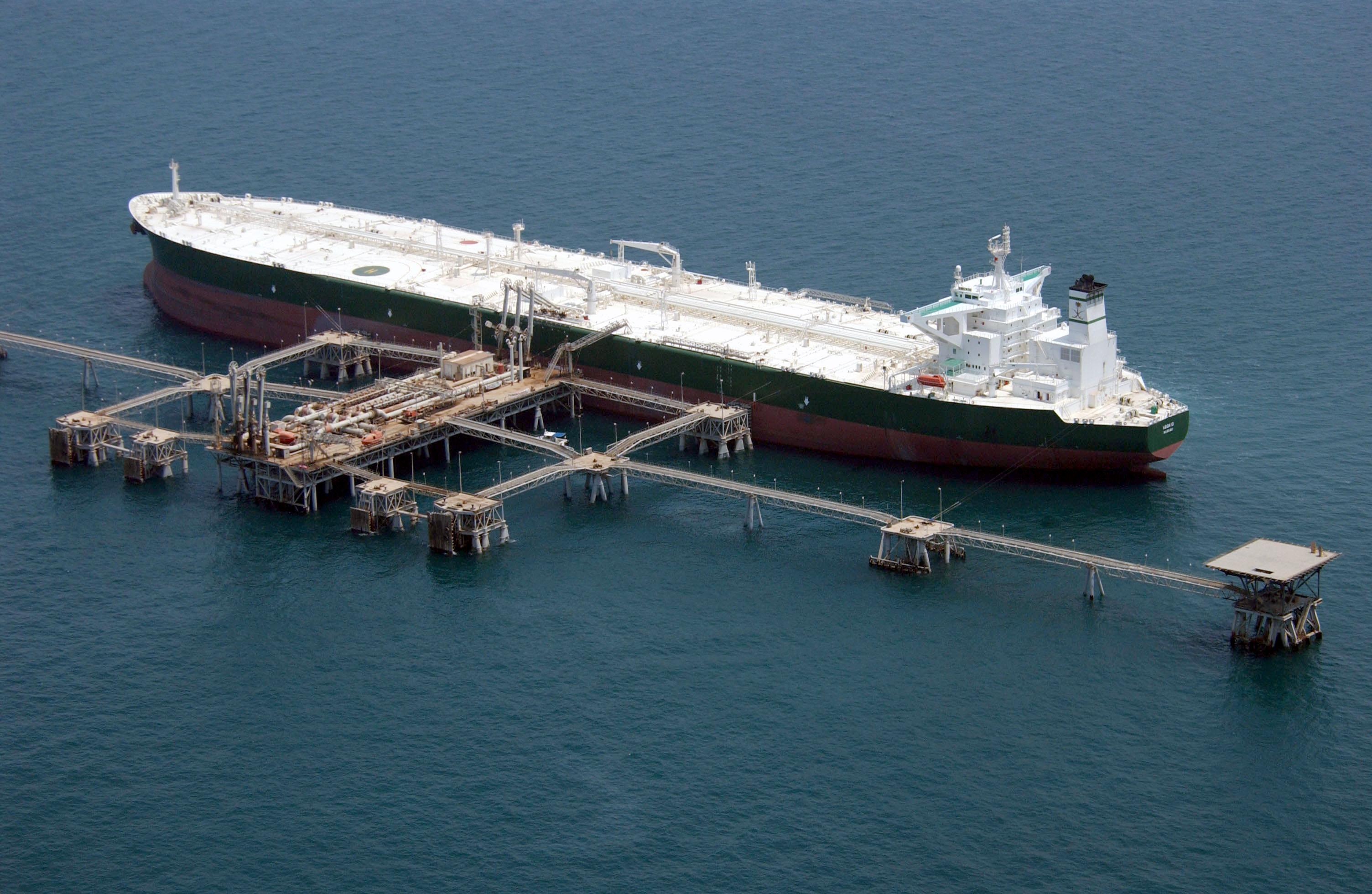
NEW YORK / LONDON — Global crude oil markets witnessed a dramatic sell-off on Tuesday as international benchmark Brent crude plunged by 4.2% to settle at $88.35 per barrel, dropping below the psychological $90 threshold for the first time in six weeks. West Texas Intermediate (WTI) followed suit, tumbling 4.6% to close at $83.60 on the New York Mercantile Exchange. The steep retreat across energy futures was sparked by a rapid unwinding of geopolitical fear premiums following diplomatic breakthroughs in the Middle East, compounded by unexpectedly robust commercial inventory builds in the United States.
Energy trading desks reported widespread algorithmic liquidations of long hedge positions that had accumulated during last month’s maritime escalations. According to the latest weekly report from the U.S. Energy Information Administration (EIA), commercial crude stockpiles expanded by an unexpected 5.4 million barrels, driven by record-setting domestic crude output averaging 13.8 million barrels per day alongside elevated seasonal refinery maintenance cycles. At the same time, motor gasoline inventories climbed as autumn travel demand moderated across North American freight and consumer corridors.
'What we are observing is an immediate normalization of market pricing models,' observed the chief energy strategist at an institutional brokerage in London. 'Traders had priced in a persistent $10 to $12 risk premium on fears of direct transit disruptions in the Strait of Hormuz. With verified diplomatic arrangements restoring commercial transit security and U.S. shale production continuing to break operational records, the physical supply-demand balance once again dominates pricing sentiment. The supply side is fundamentally well-supplied.'
The rapid decline in crude futures reverberated across equity markets and macroeconomic policy forums. Airline, logistics, and retail equities rallied broadly as projected fourth-quarter fuel expenditures declined, while the S&P 500 Energy Index retreated 2.8% as supermajors adjusted forward revenue outlooks. Federal Reserve officials and central bankers in Frankfurt and Tokyo viewed the drop with quiet relief, recognizing that sustained energy price moderation will provide critical deflationary tailwinds just as benchmark interest rate trajectories are finalized for early 2027.
Looking forward into the upcoming OPEC+ ministerial summit in Vienna, market analysts anticipate heightened internal debate among major oil producers regarding output quota compliance and spare capacity management. While Gulf producing nations have expressed a preference for maintaining price stability above $85, non-OPEC production growth from the Permian Basin, Guyana, and offshore Brazil continues to apply downward structural pressure on prices. For American motorists and consumers entering the holiday travel window, retail gasoline prices at the pump are projected to drop by an additional 15 to 20 cents per gallon over the next fortnight.
Related Coverage
Global Crude Oil Tumbles $7 as Washington Signals De-escalation, Pushing U.S. Retail Gas Prices Toward Multi-Month Lows
Energy commodity benchmarks recorded steep losses on international exchanges as geopolitical risk premiums collapsed, delivering immediate retail fuel savings for American motorists and corporate logistics fleets.

Wall Street Stabilizes After Historic Midterm Tech Rout as Crude Oil Slips on Diplomatic De-escalation Signals
U.S. equity benchmarks rebounded on Monday morning as energy commodity prices retreated below $98 a barrel and Treasury yields steadied following a volatile post-election trading week.

Wall Street Rebounds as Crude Oil Slips Below $100 While Investors Weigh Massive AI Capital Spending
The Dow and S&P 500 kicked off November on a resilient note as easing Middle East geopolitical tensions brought relief to energy markets, offsetting intense scrutiny over Big Tech cash flows.