COP29 Climate Summit Concludes in Baku with $300 Billion Annual Finance Accord Amid Bitter Pushback from Developing Nations
United Nations climate negotiators in Azerbaijan finalize a breakthrough $300 billion annual climate finance agreement and global carbon market rules, while vulnerable and island states decry the sum as grossly inadequate.

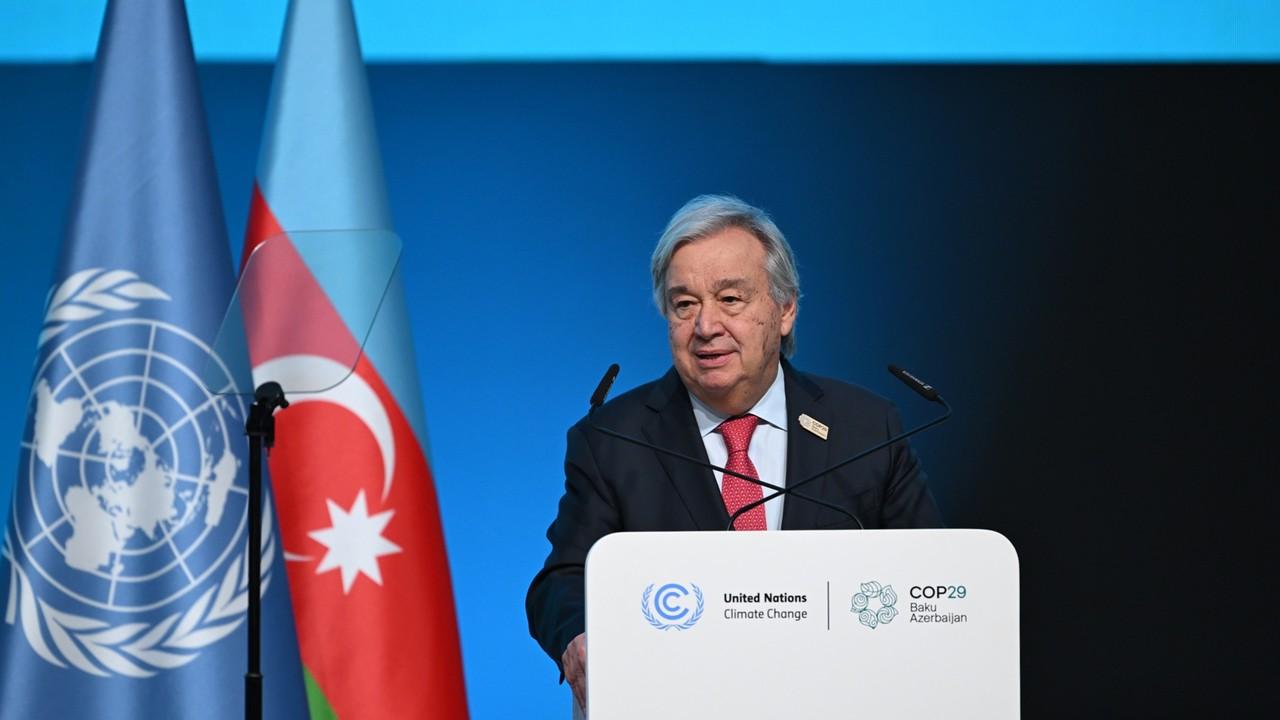
BAKU, Azerbaijan — After more than thirty hours of overtime plenary deliberations and intense diplomatic brinkmanship, the United Nations COP29 climate summit concluded in Baku with the formal adoption of a global finance agreement that commits developed nations to mobilize at least $300 billion annually by 2035 to assist vulnerable nations in confronting climate breakdown.
The hard-fought agreement, established under the New Collective Quantified Goal (NCQG), triples the previous $100 billion annual climate finance benchmark that had governed multilateral agreements since 2009. The final decision text also articulates a broader aspirational objective to mobilize $1.3 trillion annually by 2035 through a combination of public grants, low-interest multilateral loans, private capital investment, and novel international carbon pricing mechanisms.
Delegates also achieved a long-delayed breakthrough by approving operational guidelines for a centralized United Nations carbon crediting mechanism under Article 6 of the Paris Agreement. The rules establish international standards for bilateral emissions trading and project-based carbon offsets, creating a standardized framework intended to channel billions of dollars in private corporate investment into forest preservation, renewable energy, and carbon sequestration projects.
Despite the consensus gavel, the summit's closing sessions were marked by public displays of bitter anger and walking protests from developing country coalitions, particularly the Alliance of Small Island States (AOSIS) and the Least Developed Countries (LDC) group. Representatives from vulnerable African and Pacific nations condemned the $300 billion pledge as 'insulting' and 'woefully insufficient,' arguing that developing economies face over $1 trillion in annual adaptation and loss-and-damage costs from catastrophic storms, rising seas, and severe droughts.
United Nations Secretary-General António Guterres acknowledged the deep divisions, remarking that while the accord fell short of the scale required to avert catastrophic planetary warming, it nonetheless established an indispensable financial floor upon which future multilateral commitments must build. The diplomatic focus now shifts toward national emissions reduction targets due ahead of COP30 in Belém, Brazil.
Related Coverage

International Criminal Court Issues Landmark Arrest Warrants for Netanyahu, Gallant, and Deif Over Alleged War Crimes in Gaza
In a momentous and polarizing decision, judges at the International Criminal Court in The Hague issued arrest warrants for Israeli Prime Minister Benjamin Netanyahu and former Defense Minister Yoav Gallant alongside Hamas commander Mohammed Deif.
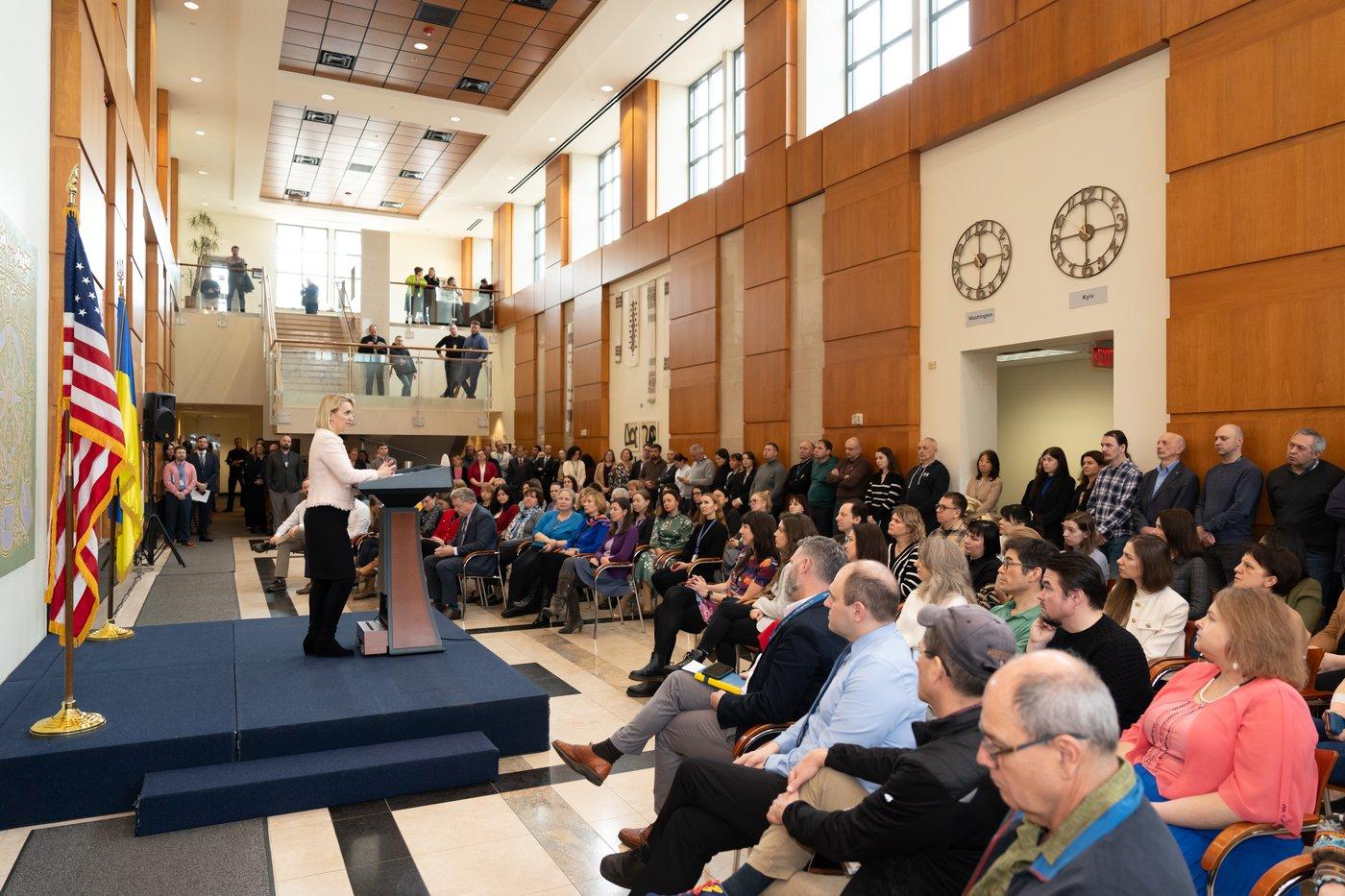
Ukraine Fires UK Storm Shadow Missiles into Russia Following US Embassy Kyiv Closure Amid High-Threat Aerial Strike Warnings
Ukrainian forces launched British-supplied Storm Shadow cruise missiles against military command centers inside Russian territory, hours after Western embassies in Kyiv temporarily shuttered operations amid intelligence warnings of an unprecedented retaliatory missile bombardment.
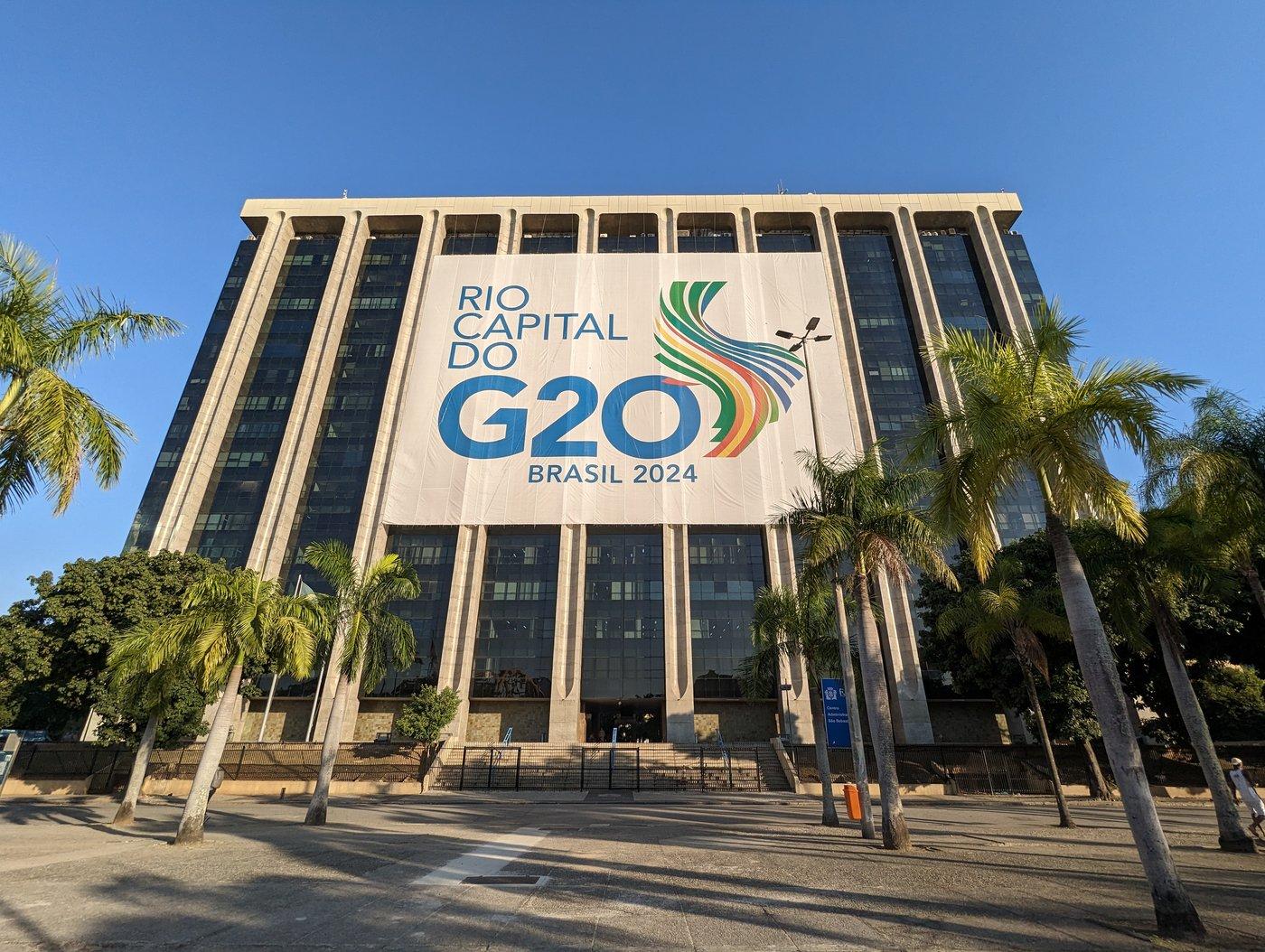
G20 Leaders Conclude Rio de Janeiro Summit with Fragile Consensus on Ukraine and Climate Finance Amid Strained Western-Russian Diplomacy
World leaders concluded a fraught G20 summit in Rio de Janeiro, issuing a consensus declaration addressing global hunger, progressive taxation, and fragile peace formulas for Ukraine and the Middle East against a backdrop of deep geopolitical polarization.