Ukraine Fires UK Storm Shadow Missiles into Russia Following US Embassy Kyiv Closure Amid High-Threat Aerial Strike Warnings
Ukrainian forces launched British-supplied Storm Shadow cruise missiles against military command centers inside Russian territory, hours after Western embassies in Kyiv temporarily shuttered operations amid intelligence warnings of an unprecedented retaliatory missile bombardment.


KYIV — The war in Eastern Europe crossed into an intensely volatile and perilous phase on Wednesday as the Armed Forces of Ukraine deployed British-supplied Storm Shadow air-launched cruise missiles against command-and-control bunkers deep inside the Russian Federation for the first time. The high-precision strikes, which targeted an underground military command facility in Russia's western Kursk region, occurred just hours after the United States Embassy in Kyiv suspended operations and instructed diplomatic personnel to shelter in place following specific intelligence warnings of a massive, imminent Russian aerial bombardment against the Ukrainian capital.
Defense analysts confirmed that multiple Storm Shadow cruise missiles—stealthy, GPS-guided munitions with an operational range exceeding 155 miles—were launched from modified Ukrainian Su-24 strike aircraft, striking an fortified subterranean military headquarters believed to house senior Russian general staff and North Korean military advisers directing operations along the Kursk front. The strikes represent a direct expansion of Western-approved deep-strike capabilities, following President Joe Biden's decision earlier this week to authorize Ukrainian forces to deploy American-made ATACMS ballistic missiles against targets inside Russia.
The British government, led by Prime Minister Keir Starmer, declined to comment publicly on operational details, maintaining its longstanding convention of operational ambiguity regarding long-range weapon employment. However, European security officials privately acknowledged that London and Paris had authorized Ukraine to utilize Storm Shadow and SCALP cruise missiles against recognized military logistics hubs and troop concentrations actively supporting Moscow's ongoing offensive maneuvers inside Ukrainian sovereign borders.
In Kyiv, the atmosphere was defined by acute apprehension as Western diplomatic missions—including the embassies of the United States, Italy, Spain, and Greece—shuttered their physical premises throughout the morning. The US Department of State issued an urgent security alert warning American citizens that Russian aerospace forces had mobilized strategic Tu-95MS bombers and Black Sea naval missile corvettes for an imminent combined strike incorporating Kinzhal hypersonic missiles and Shahed loitering drones.
In Moscow, Russian officials issued fiery diplomatic and strategic warnings. The Kremlin pointedly referenced President Vladimir Putin's newly signed nuclear deterrence doctrine, which officially lowers the threshold for the operational deployment of tactical nuclear weapons in response to conventional ballistic or cruise missile strikes conducted by non-nuclear states with the direct technological assistance and satellite navigation guidance of NATO member states. Russian Foreign Minister Sergey Lavrov declared that the deployment of British and American long-range weapons represents 'a fundamentally new qualitative phase of Western direct involvement in the war.'
Despite the escalating nuclear rhetoric, Western military strategists and Ukrainian defense commanders emphasized that neutralizing Russian ammunition depots, command centers, and aviation logistics within 200 miles of the front lines is strategically indispensable to blunting Moscow's numerical infantry advantages. As air raid sirens sounded sporadically across Kyiv heading into the night, the Ukrainian general staff affirmed that strikes against legitimate military infrastructure inside the Russian Federation will continue unabated as long as Russian missiles terrorize Ukrainian civilian centers.
Related Coverage
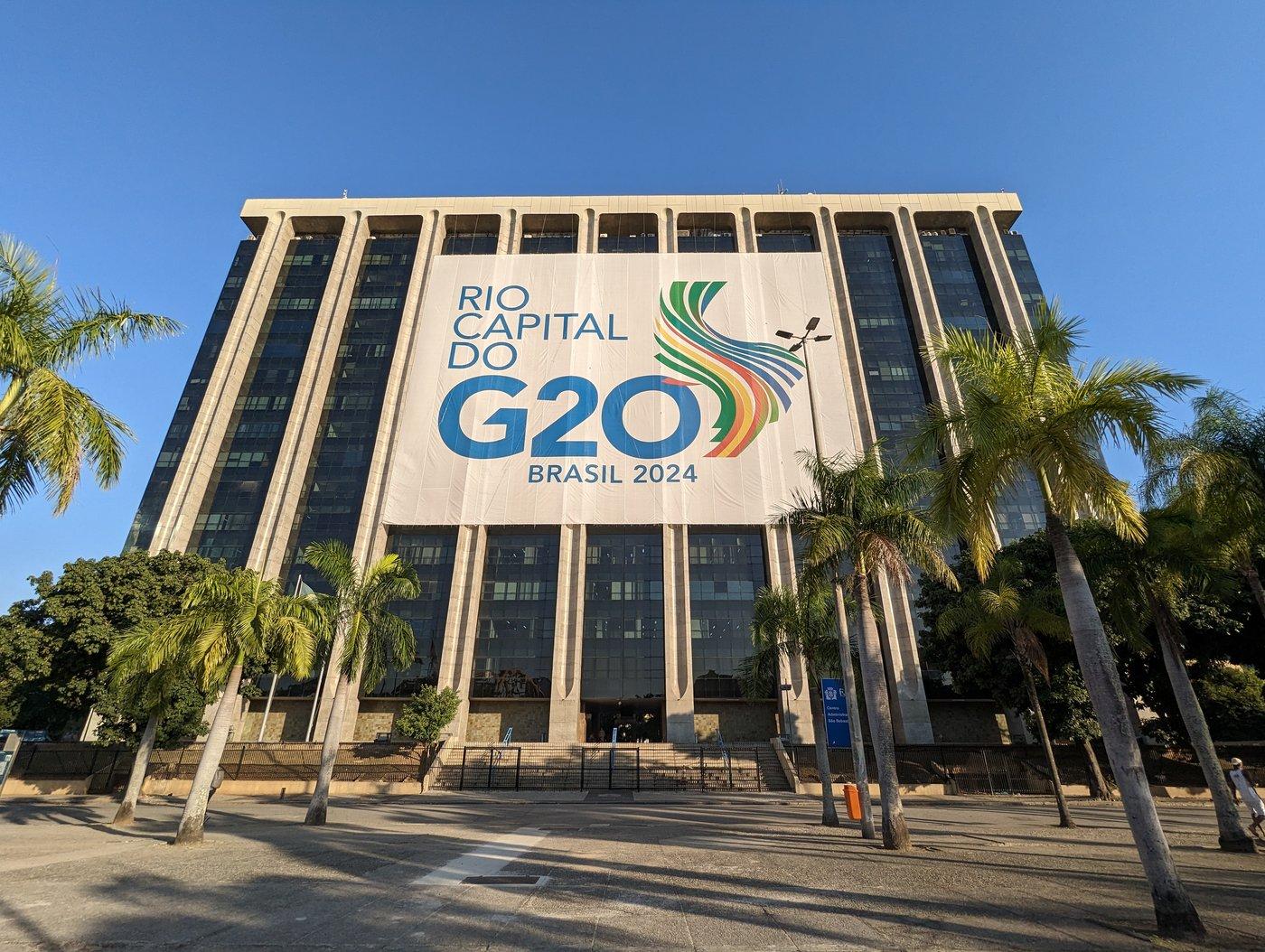
G20 Leaders Conclude Rio de Janeiro Summit with Fragile Consensus on Ukraine and Climate Finance Amid Strained Western-Russian Diplomacy
World leaders concluded a fraught G20 summit in Rio de Janeiro, issuing a consensus declaration addressing global hunger, progressive taxation, and fragile peace formulas for Ukraine and the Middle East against a backdrop of deep geopolitical polarization.

Xi Jinping and Putin Meet in Shenzhen Ahead of Historic Trilateral Summit with Trump on Nuclear Arms and Ukraine
Chinese President Xi Jinping and Russian President Vladimir Putin held strategic bilateral talks in Shenzhen on Wednesday, finalizing a unified diplomatic posture ahead of Thursday's unprecedented trilateral summit with U.S. President Donald Trump on nuclear non-proliferation and global stability.
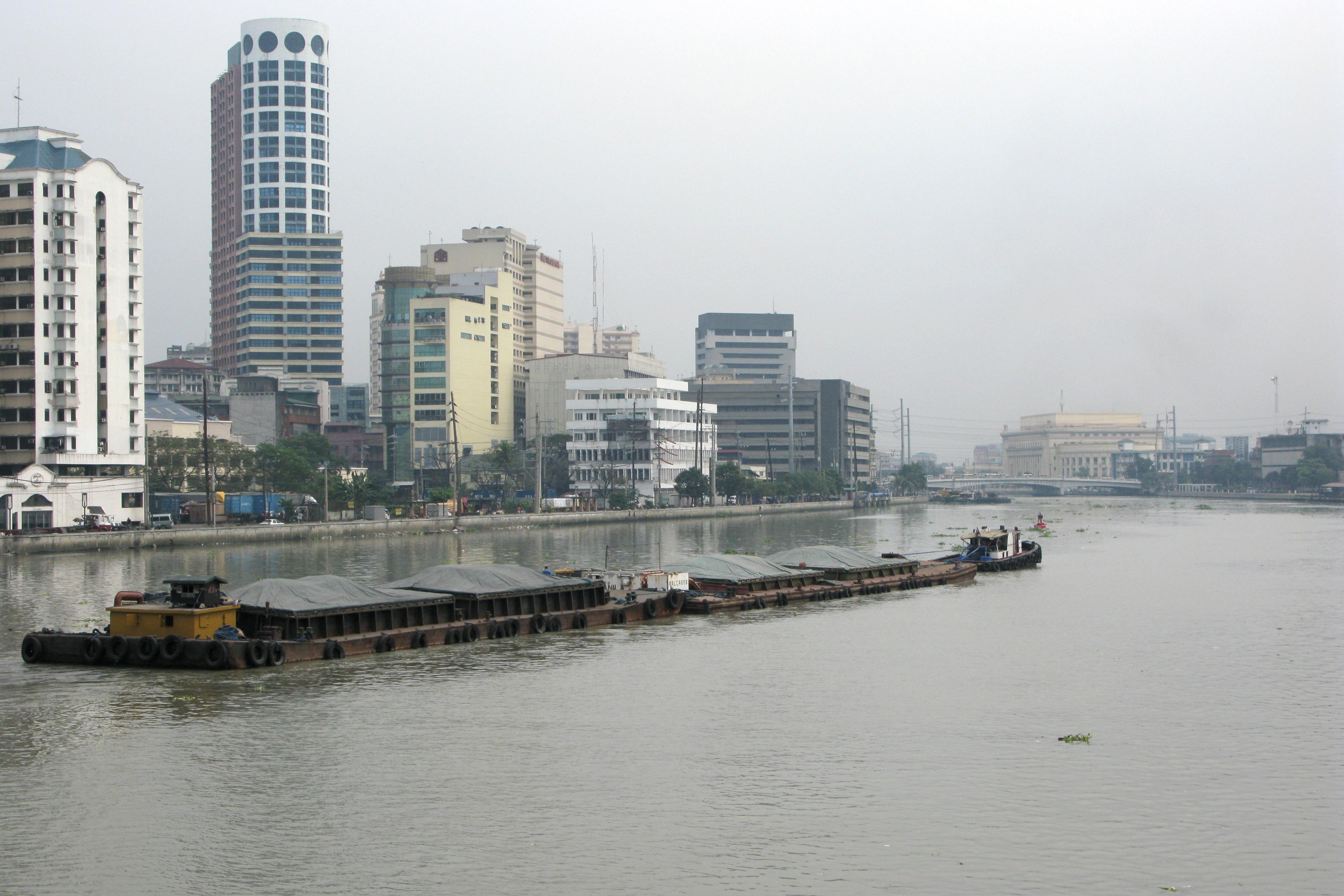
East Asia Summit Convenes in Manila as Indo-Pacific Leaders Demand Legally Binding South China Sea Code of Conduct
Leaders representing 18 Indo-Pacific nations convened in Manila for the 21st East Asia Summit on Tuesday, where Philippine President Ferdinand Marcos Jr. and Quad partners pushed for an enforceable, UNCLOS-backed maritime code of conduct amidst escalating naval tensions in disputed waters.