G20 Leaders Conclude Rio de Janeiro Summit with Fragile Consensus on Ukraine and Climate Finance Amid Strained Western-Russian Diplomacy
World leaders concluded a fraught G20 summit in Rio de Janeiro, issuing a consensus declaration addressing global hunger, progressive taxation, and fragile peace formulas for Ukraine and the Middle East against a backdrop of deep geopolitical polarization.

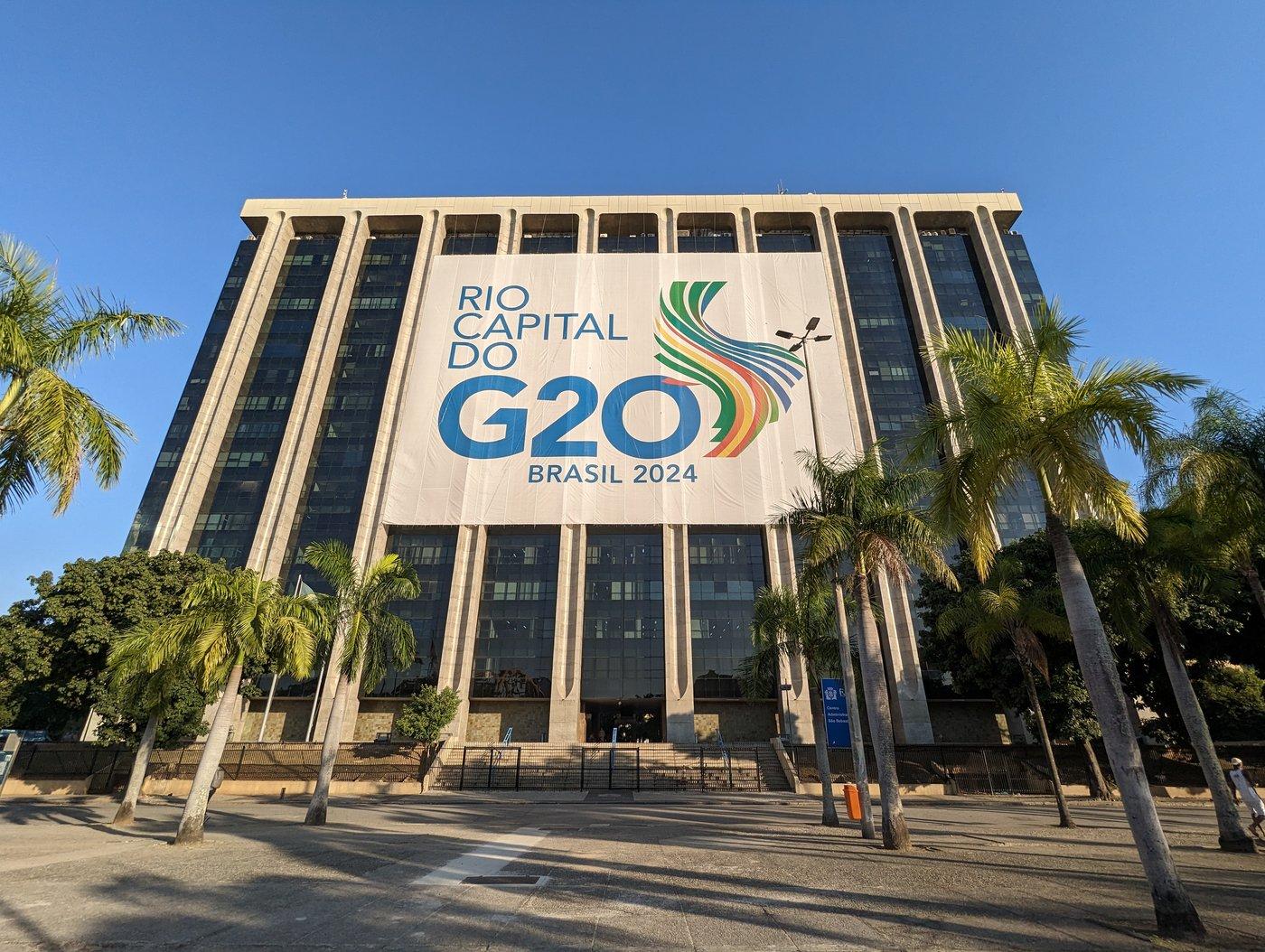
RIO DE JANEIRO — The heads of state and government representing the world's twenty largest economies concluded two days of marathon diplomatic deliberations in Rio de Janeiro on Wednesday, releasing a hard-fought joint leaders' declaration that reflected fragile consensus on global poverty alleviation and climate finance while laying bare profound ideological fractures over the protracted conflicts in Ukraine and the Middle East. Hosted by Brazilian President Luiz Inácio Lula da Silva against the picturesque backdrop of the Museum of Modern Art, the summit underscored the increasingly multipolar, fragmented nature of 21st-century multilateral diplomacy.
The final Rio Declaration prominently endorsed President Lula's signature multilateral initiative: the launch of the Global Alliance Against Hunger and Poverty, an ambitious international coalition backed by 82 member states, the African Union, and multilateral development banks aimed at mobilizing innovative public and private financing to eradicate extreme food insecurity and child malnutrition by 2030. Furthermore, member nations tentatively approved language pledging collaborative engagement on progressive international taxation mechanisms targeting ultra-high-net-worth individuals, marking an unprecedented milestone for international tax harmonization dialogues.
However, intense diplomatic discord dominated closed-door negotiations regarding international security crises. Western leaders, including representatives from the United States, Britain, and the European Union, pressed for uncompromising language directly rebuking the Russian Federation following Moscow's recent escalations in Ukraine and the operational deployment of revised strategic defense doctrines. In contrast, several prominent Global South delegations resisted prescriptive condemnation, resulting in consensus language that emphasized broad humanitarian suffering and territorial integrity principles without explicitly naming Moscow or attributing unilateral responsibility for the ongoing conflict.
The geopolitical friction was intensified by the parallel diplomatic maneuvers taking place at the COP29 climate negotiations in Baku, Azerbaijan. Developing nations at Rio demanded that G20 members—who collectively account for nearly 80% of global greenhouse gas emissions and global gross domestic product—deliver binding financial guarantees to recapitalize the Loss and Damage Fund and establish a viable New Collective Quantified Goal for climate finance. The final G20 communique formally acknowledged the urgent necessity of dramatically scaling up climate finance from billions to trillions of dollars, but stopped short of providing explicit quantitative national commitments.
Bilateral meetings held on the summit margins illuminated shifting geopolitical realignments. Chinese President Xi Jinping engaged in an extensive series of high-level dialogues with European and Latin American leaders, positioning Beijing as a stabilizing anchor of globalization and open trade amidst mounting international anxieties regarding impending American tariff shifts. Meanwhile, outgoing Western officials used their final summit engagements to reaffirm defensive security alliances and pledge uninterrupted financial and military assistance to partner nations confronting territorial encroachment.
As the G20 presidential gavel was officially handed over to South African President Cyril Ramaphosa for the upcoming 2027 cycle, diplomatic observers concluded that while the Rio summit succeeded in averting a total collapse of multilateral consensus, the profound strategic divisions separating Washington, Brussels, Beijing, and Moscow will impose severe structural headwinds on global economic governance and conflict resolution in the critical years ahead.
Related Coverage
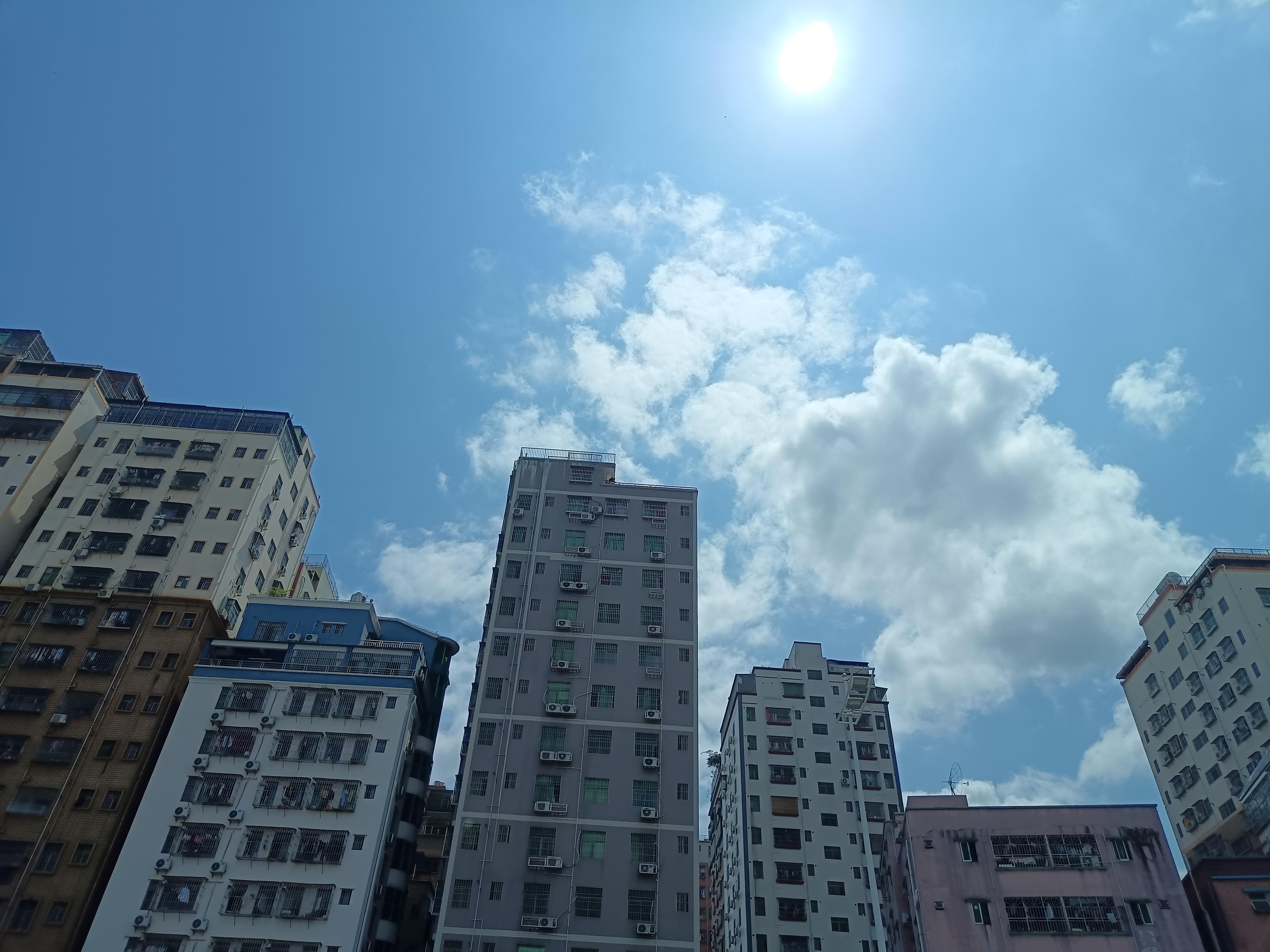
Xi Jinping and Putin Meet in Shenzhen Ahead of Historic Trilateral Summit with Trump on Nuclear Arms and Ukraine
Chinese President Xi Jinping and Russian President Vladimir Putin held strategic bilateral talks in Shenzhen on Wednesday, finalizing a unified diplomatic posture ahead of Thursday's unprecedented trilateral summit with U.S. President Donald Trump on nuclear non-proliferation and global stability.
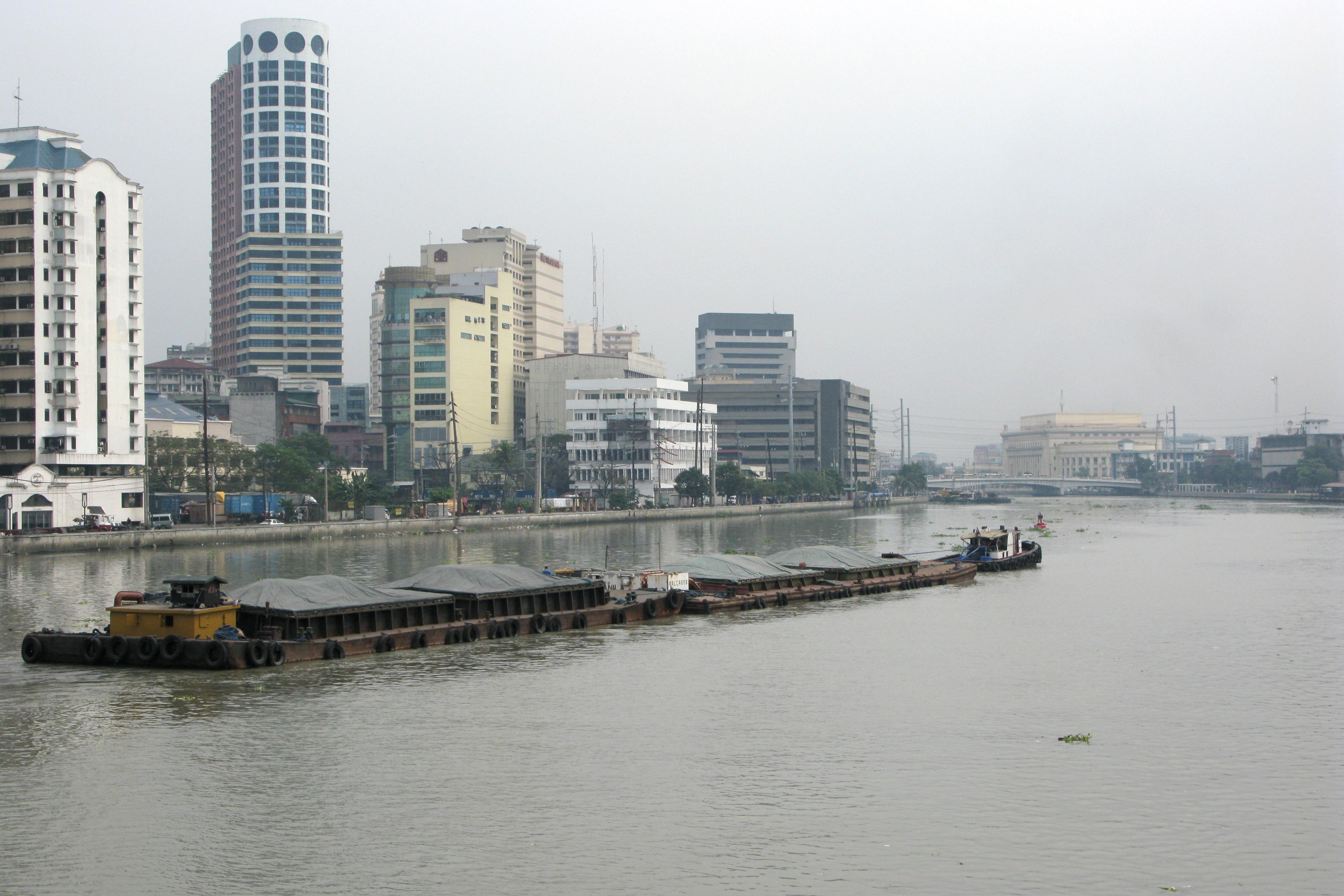
East Asia Summit Convenes in Manila as Indo-Pacific Leaders Demand Legally Binding South China Sea Code of Conduct
Leaders representing 18 Indo-Pacific nations convened in Manila for the 21st East Asia Summit on Tuesday, where Philippine President Ferdinand Marcos Jr. and Quad partners pushed for an enforceable, UNCLOS-backed maritime code of conduct amidst escalating naval tensions in disputed waters.
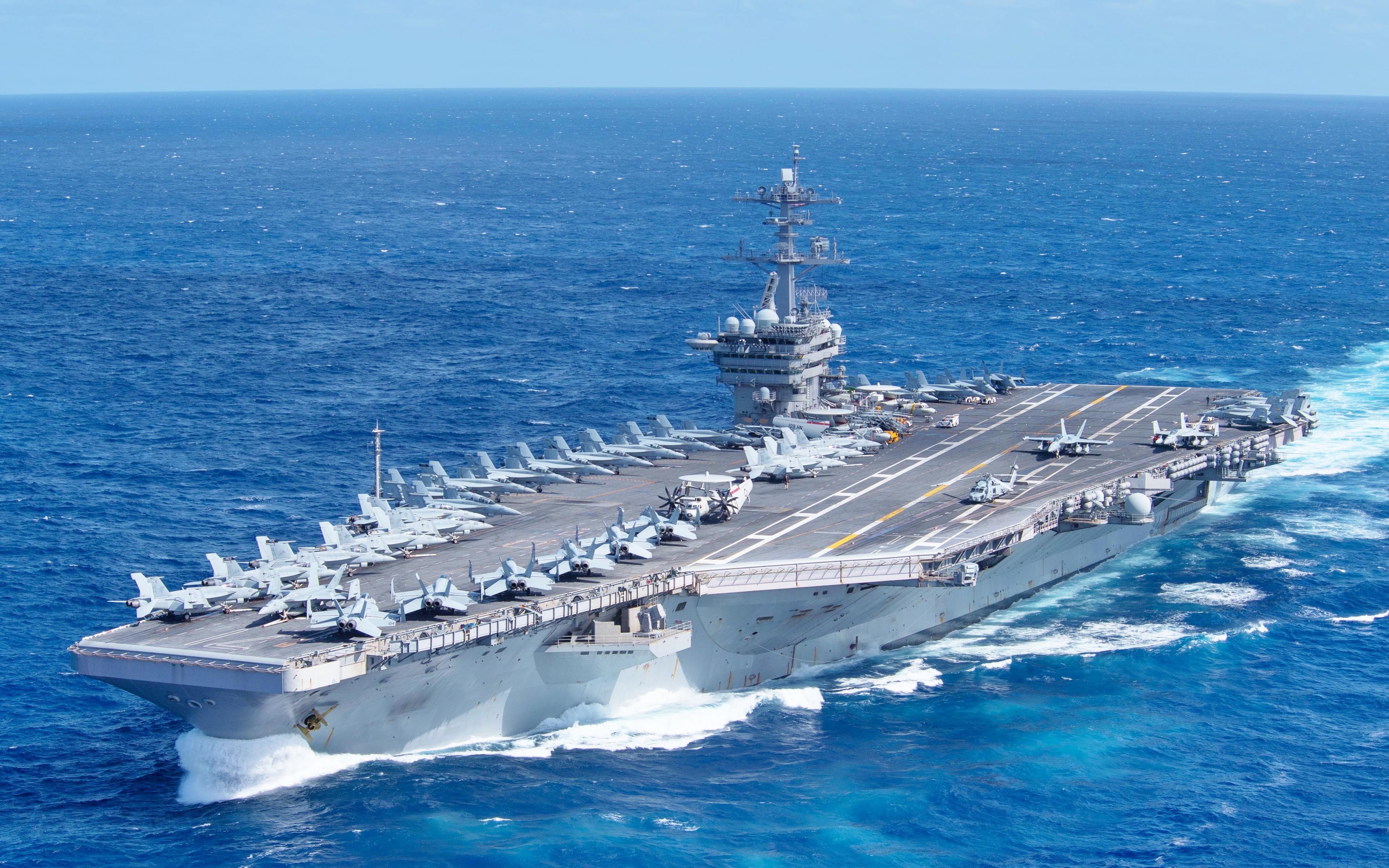
Pentagon Deploys Third Carrier Strike Group to Gulf as Saudi Arabia, Qatar Issue Joint Condemnation of Iranian Radar Strike
Defense Secretary Pete Hegseth ordered the USS Theodore Roosevelt Carrier Strike Group into the Persian Gulf on Monday, reinforcing American deterrence as the Gulf Cooperation Council issued a rare unanimous declaration condemning the Iranian drone attack against U.S. naval radar facilities in Bahrain.