G7 Foreign Ministers Issue Resolute Communiqué in Fiuggi Demanding Restraint from Russia and Reaffirming Middle East Stability
Meeting in Fiuggi, Italy, Secretary of State Antony Blinken and G7 diplomatic chiefs issue a comprehensive joint declaration condemning Russian missile escalation in Ukraine, denouncing North Korean troop deployment, and welcoming the Israel-Lebanon ceasefire.


FIUGGI, Italy — Concluding two days of high-stakes diplomatic deliberations in the historic spa town of Fiuggi and neighboring Anagni, the foreign ministers of the Group of Seven (G7) industrialized democracies issued a forceful joint declaration reaffirming their unwavering backing for Ukrainian sovereignty, denouncing deepening military cooperation between Moscow and Pyongyang, and endorsing the newly brokered Israel-Lebanon ceasefire accord.
Hosted under Italy's G7 presidency by Italian Foreign Minister Antonio Tajani and joined by U.S. Secretary of State Antony Blinken, the foreign ministers of the United States, Canada, France, Germany, Italy, Japan, the United Kingdom, and the European Union met against the backdrop of dangerous geopolitical escalations across Eastern Europe and the Levant. The meeting coincided with the grim passage of 1,000 days since Russia's full-scale invasion of Ukraine.
In their comprehensive 23-page final communiqué, the G7 ministers forcefully condemned Russia's irresponsible nuclear rhetoric and its recent launch of an experimental intermediate-range hypersonic ballistic missile against Ukrainian urban centers, characterizing the strike as reckless and dangerously escalatory. The ministers also issued a stern rebuke to North Korea for deploying thousands of combat troops to frontline operational theaters in Russia, pledging expanded coordinated sanctions targeting illicit military supply corridors.
Addressing Middle Eastern security, the G7 formally welcomed the historic 60-day cessation of hostilities agreed to between Israel and Lebanon, emphasizing that the accord must lead to full implementation of United Nations Security Council Resolution 1701. The ministers called for all military forces to honor the withdrawal provisions and underscored that the Lebanese Armed Forces must be given comprehensive international support to secure the southern border zone and ensure long-term regional stability.
Secretary Blinken highlighted in his closing press conference that G7 nations—representing approximately half of the global economy—remain uniquely unified in defending international law and the multilateral rules-based order. The gathering marked the final G7 ministerial summit of the Biden administration, serving as a vital demonstration of transatlantic solidarity ahead of the presidential transition in Washington.
Related Coverage
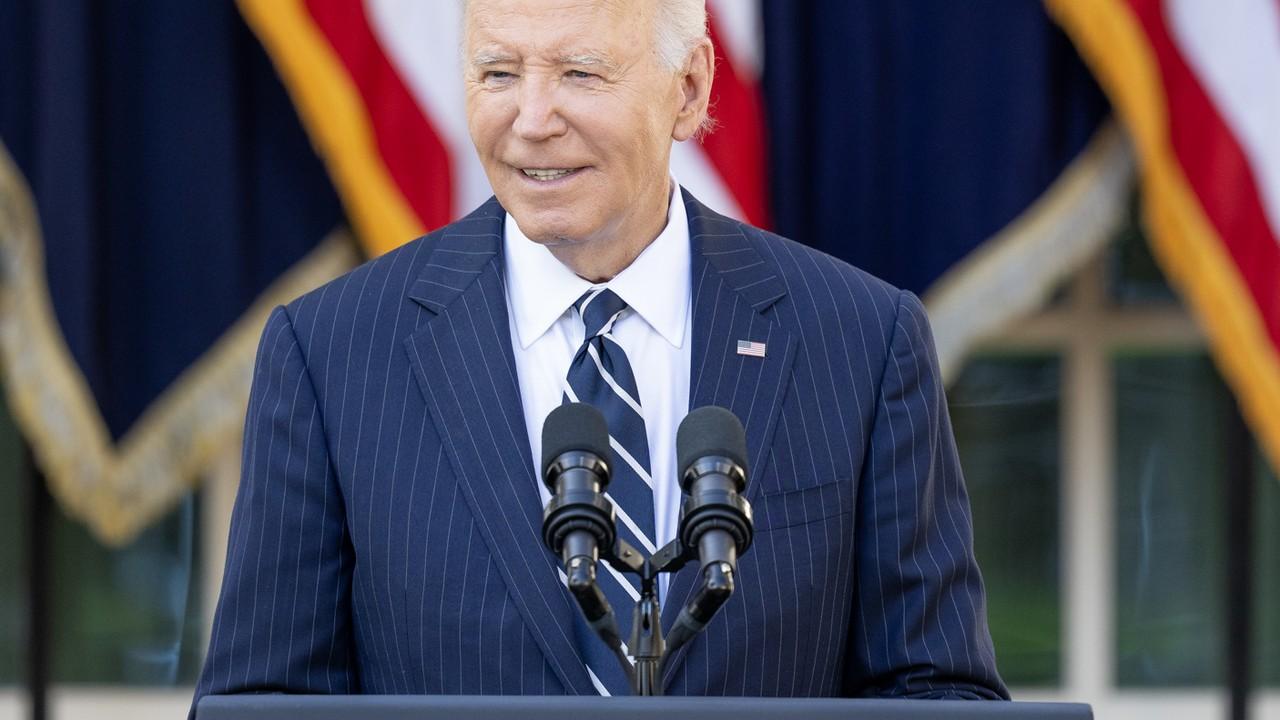
Historic Israel-Hezbollah 60-Day Ceasefire Accord Finalized to Halt 14-Month War Across the Blue Line in Southern Lebanon
United States and French diplomats broker a comprehensive 60-day cessation of hostilities between Israel and Hezbollah, providing for Israeli troop withdrawals, Hezbollah's retreat north of the Litani River, and Lebanese Army deployment.
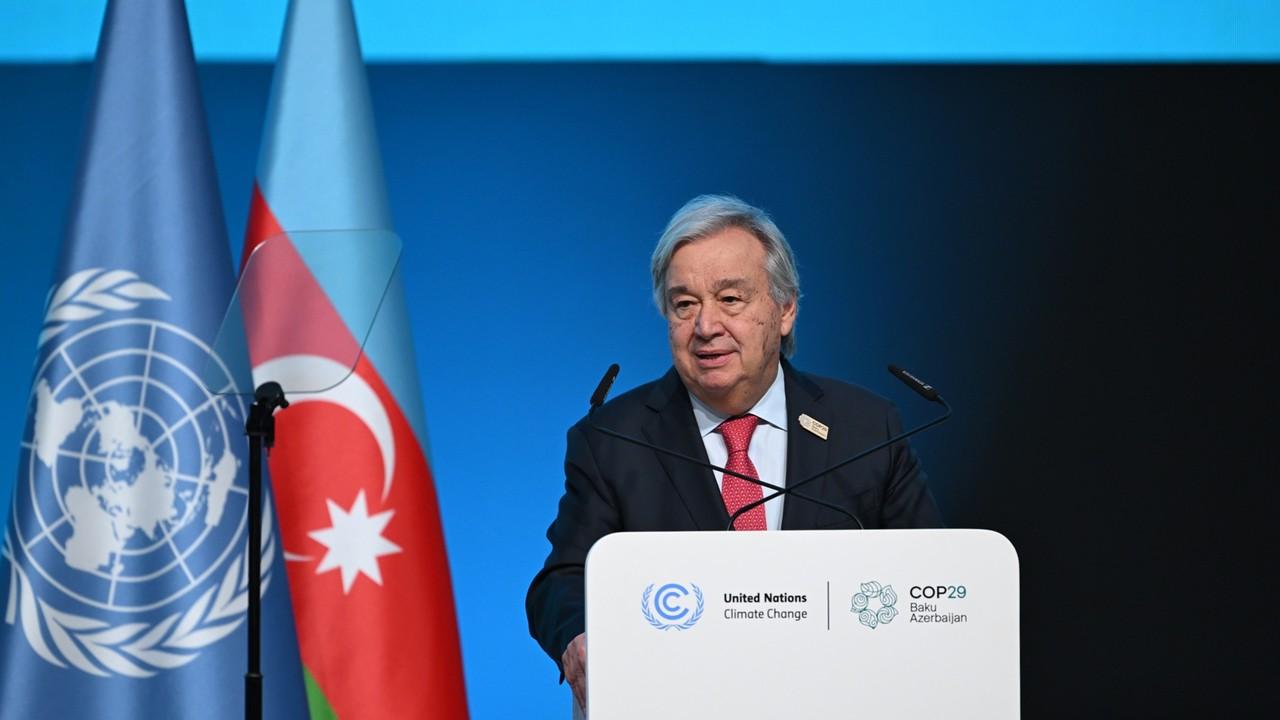
COP29 Climate Summit Concludes in Baku with $300 Billion Annual Finance Accord Amid Bitter Pushback from Developing Nations
United Nations climate negotiators in Azerbaijan finalize a breakthrough $300 billion annual climate finance agreement and global carbon market rules, while vulnerable and island states decry the sum as grossly inadequate.

International Criminal Court Issues Landmark Arrest Warrants for Netanyahu, Gallant, and Deif Over Alleged War Crimes in Gaza
In a momentous and polarizing decision, judges at the International Criminal Court in The Hague issued arrest warrants for Israeli Prime Minister Benjamin Netanyahu and former Defense Minister Yoav Gallant alongside Hamas commander Mohammed Deif.