Historic Israel-Hezbollah 60-Day Ceasefire Accord Finalized to Halt 14-Month War Across the Blue Line in Southern Lebanon
United States and French diplomats broker a comprehensive 60-day cessation of hostilities between Israel and Hezbollah, providing for Israeli troop withdrawals, Hezbollah's retreat north of the Litani River, and Lebanese Army deployment.

BEIRUT / JERUSALEM — In a landmark diplomatic breakthrough after fourteen months of devastating cross-border bombardment and ground warfare, the governments of Israel and Lebanon agreed to a comprehensive 60-day ceasefire accord brokered by the United States and France, intended to permanently end hostilities along the contested Blue Line.
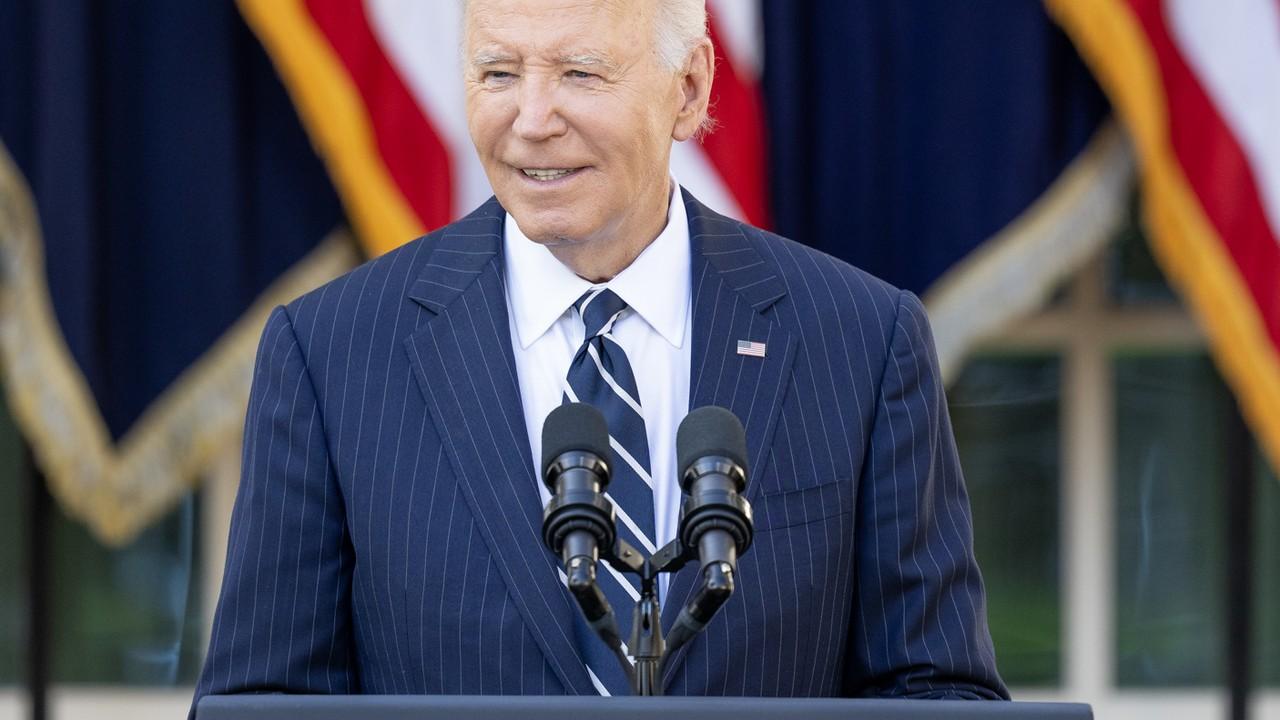
Addressing the nation from the White House Rose Garden, President Joe Biden confirmed the accord alongside French President Emmanuel Macron, characterizing the agreement as a vital turning point designed to create conditions for lasting security across the Middle East. Under the terms of the agreement, Hezbollah forces are required to withdraw their heavy weapons and military infrastructure north of the Litani River, approximately eighteen miles from the Israeli border, leaving the southern sector entirely demilitarized of non-state armed actors.
Simultaneously, the Israeli Defense Forces (IDF) will execute a phased, sequential withdrawal of their ground forces from southern Lebanese territory over the course of the 60-day interim window. In their place, thousands of troops from the Lebanese Armed Forces (LAF) will deploy to southern forward posts alongside the United Nations Interim Force in Lebanon (UNIFIL) to assume primary security jurisdiction and dismantle remaining militant tunnel complexes and munitions depots.
Israeli Prime Minister Benjamin Netanyahu secured approval for the ceasefire from his security cabinet following intense internal debate, asserting that the agreement allows Israel to replenish exhausted ammunition reserves, refocus defense assets on Iran's regional proxy networks, and facilitate the safe return of more than 60,000 displaced Israeli residents to northern border communities. However, Netanyahu stressed that Israel retains full freedom of military action to strike any prospective violations if Hezbollah attempts to rebuild its rocket stockpiles.
Across Lebanon, where weeks of intense air strikes on southern suburbs, the Bekaa Valley, and central Beirut killed more than 3,800 people and displaced over 1.2 million citizens, thousands of families immediately began clogging coastal highways in a mass journey to return to damaged hometowns. Diplomatic envoys emphasized that while the ceasefire represents a monumental humanitarian achievement, sustained implementation will require robust oversight by an international monitoring committee chaired by United States military officials.
Related Coverage
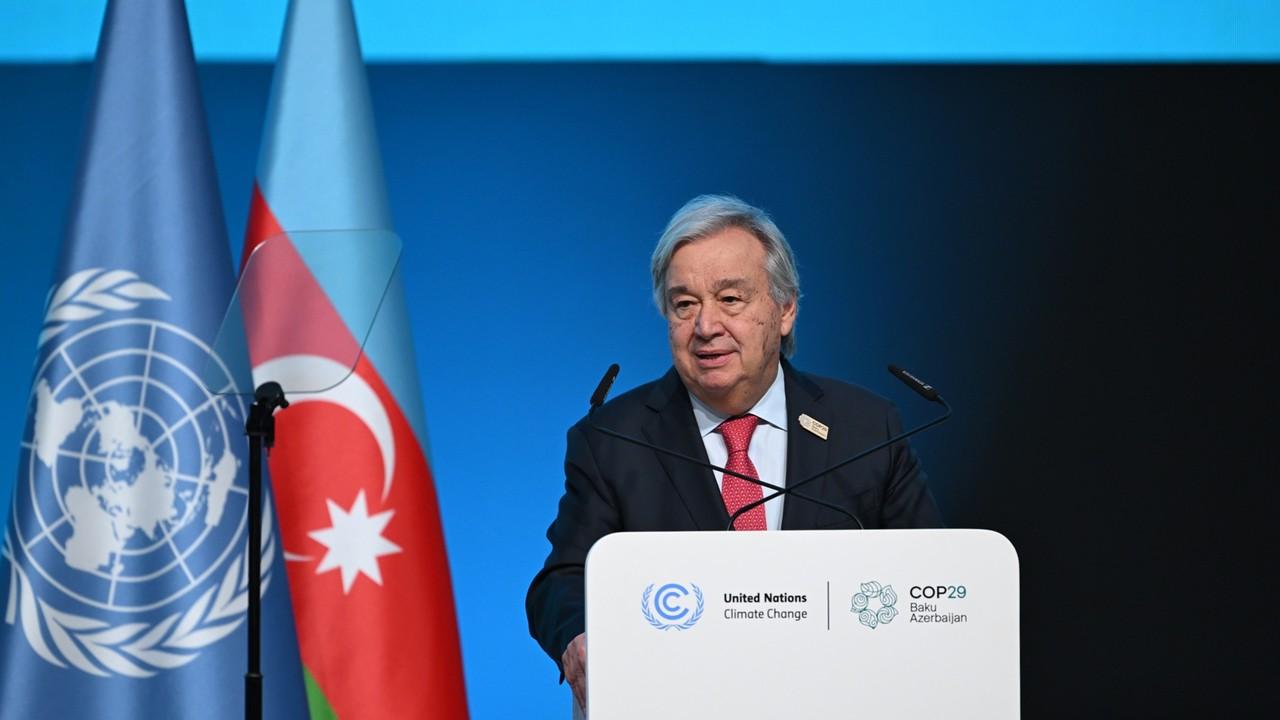
COP29 Climate Summit Concludes in Baku with $300 Billion Annual Finance Accord Amid Bitter Pushback from Developing Nations
United Nations climate negotiators in Azerbaijan finalize a breakthrough $300 billion annual climate finance agreement and global carbon market rules, while vulnerable and island states decry the sum as grossly inadequate.

International Criminal Court Issues Landmark Arrest Warrants for Netanyahu, Gallant, and Deif Over Alleged War Crimes in Gaza
In a momentous and polarizing decision, judges at the International Criminal Court in The Hague issued arrest warrants for Israeli Prime Minister Benjamin Netanyahu and former Defense Minister Yoav Gallant alongside Hamas commander Mohammed Deif.
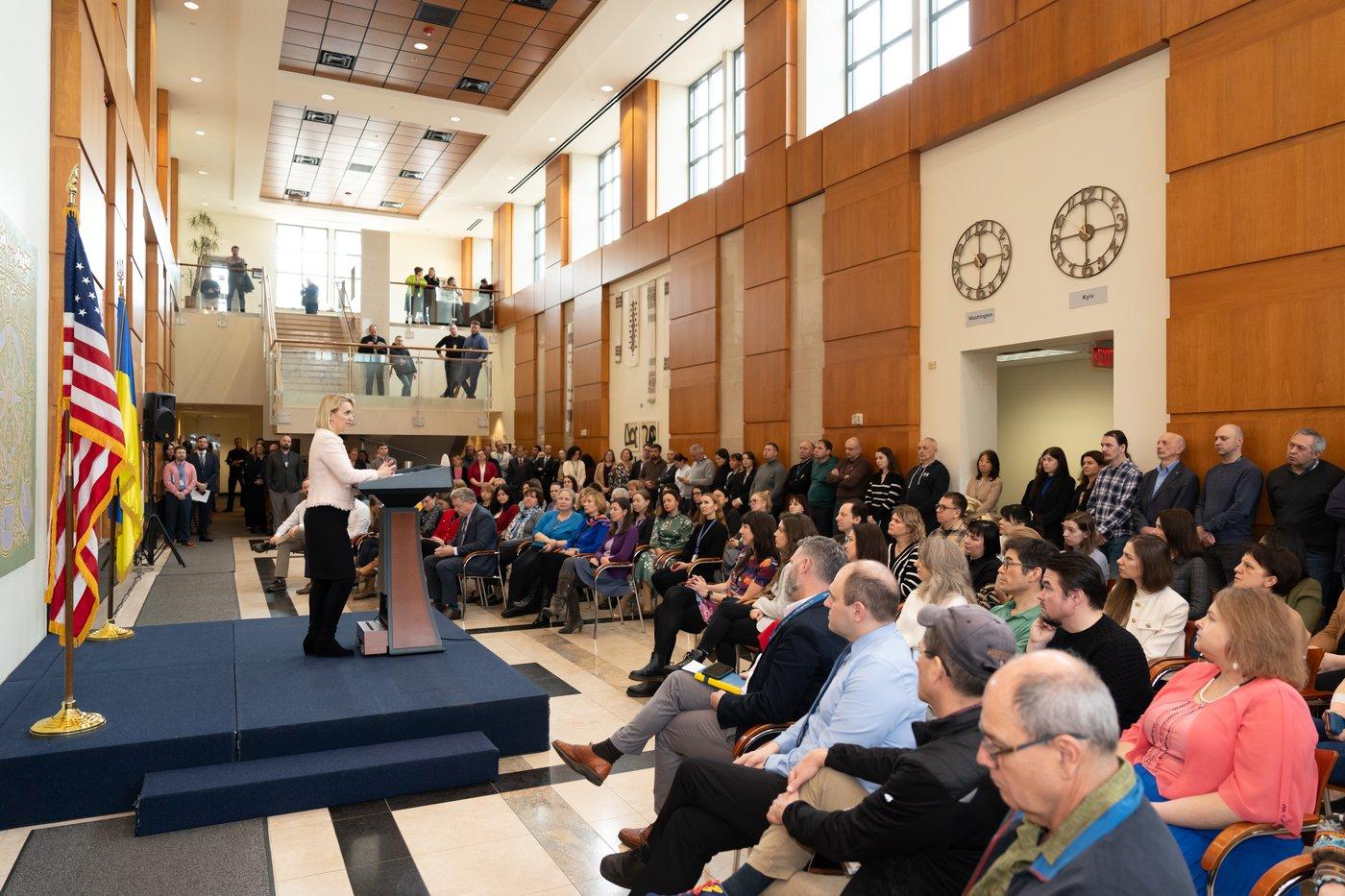
Ukraine Fires UK Storm Shadow Missiles into Russia Following US Embassy Kyiv Closure Amid High-Threat Aerial Strike Warnings
Ukrainian forces launched British-supplied Storm Shadow cruise missiles against military command centers inside Russian territory, hours after Western embassies in Kyiv temporarily shuttered operations amid intelligence warnings of an unprecedented retaliatory missile bombardment.