House Conservatives and Democrats Advance Impeachment Resolution Against Defense Secretary Pete Hegseth Over Pentagon Directives
A cross-ideological coalition of lawmakers on Capitol Hill moved swiftly to introduce formal articles of impeachment targeting the defense chief following contentious military reorganization orders.


WASHINGTON — Political reverberations tore across Capitol Hill and through the corridors of the Pentagon on Tuesday morning after Representative Thomas Massie, joined by key ranking members of House oversight committees, formally introduced privileged articles of impeachment against United States Secretary of Defense Pete Hegseth.
The extraordinary legislative maneuver accuses the defense chief of high misdemeanors, unauthorized deployments of military personnel, and circumvention of statutory congressional notification requirements established under the War Powers Act. The introduction sets the stage for an explosive, high-stakes floor confrontation that threatens to paralyze defense budgeting processes and disrupt executive military leadership during a sensitive geopolitical period.
At the center of the legislative indictment are several recent operational directives issued directly from the secretary's executive suite that restructured command authorities and bypassed conventional joint staff consultation protocols. Lawmakers argued during an emotional morning press conference outside the House chamber that statutory guardrails governing armed forces mobilization cannot be discarded through administrative fiat, emphasizing that legislative oversight of defense operations remains a foundational constitutional principle.
In a sharply worded public response delivered from the Pentagon briefing studio, Hegseth vigorously rejected the charges as coordinated political theater designed to derail necessary structural reforms within the military hierarchy. The secretary maintained that every policy enactment fell squarely within presidential executive authorities and statutory defense management mandates, declaring that he will not retreat from implementing comprehensive readiness directives.
The move has created severe fissures within congressional party caucuses. While Democratic leadership signaled unified backing for procedural floor consideration, several veteran lawmakers across both aisles expressed deep concern regarding institutional stability at the Pentagon while ongoing overseas stabilization efforts remain unresolved.
Legal analysts and parliamentary strategists anticipate that leadership will be compelled under House rules to schedule a decisive procedural vote within forty-eight legislative hours. With public hearings and committee depositions already being drafted, the confrontation marks one of the most volatile executive-legislative showdowns witnessed in Washington over national defense governance in decades.
Related Coverage
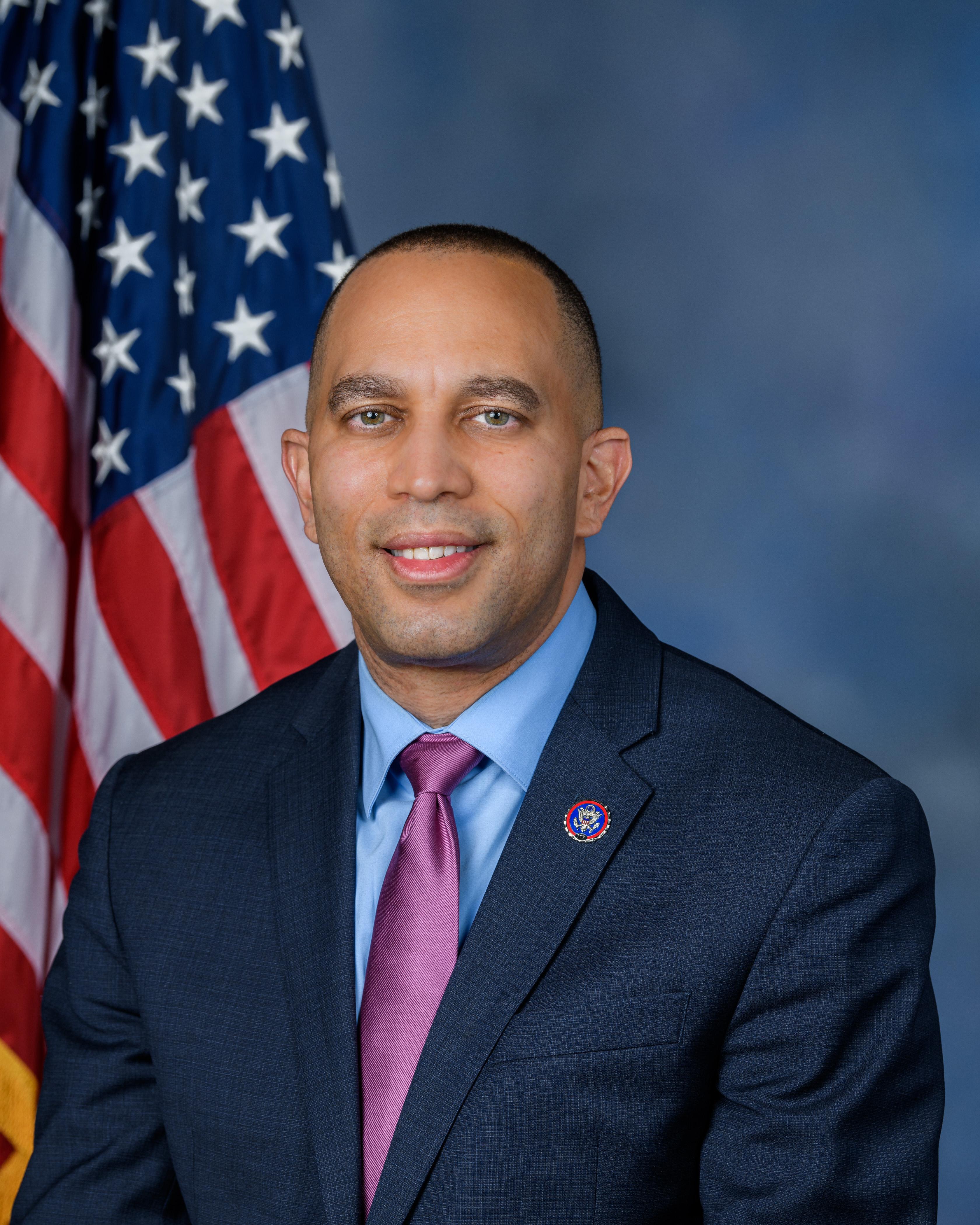
House Democrats Finalize Aggressive Legislative Strategy to Challenge White House Executive Appointments and Policy Directives
Following the pivotal 2026 midterm election results, congressional Democratic leadership has mapped out an assertive procedural offensive targeting executive confirmations, administrative oversight, and regulatory safeguards.

Final Midterm Campaign Blitz Sweeps Battleground States as Early Voting Reaches Historic Highs
With control of both chambers of Congress hanging in the balance, party leaders, President Trump, and high-profile surrogates crisscross crucial swing districts as over 42 million Americans cast ballots ahead of Election Day.

Scrutiny on Healthcare and Medical Debt Grips Tightly Contested Senate Races in Final Push
Contested Senate races in Midwestern and Southwestern battlegrounds face intense last-minute debates over medical billing practices, rural hospital funding, and prescription drug costs.