Middle East Tensions Surge as IRGC Claims Strike on U.S. Radar in Bahrain; Trump Recalls Vance From Negotiations
Regional security reached a knife-edge after Iranian forces claimed to target a U.S. early-warning radar site in Bahrain, prompting President Trump to scale back direct strikes while redirecting Vice President JD Vance away from diplomatic talks.

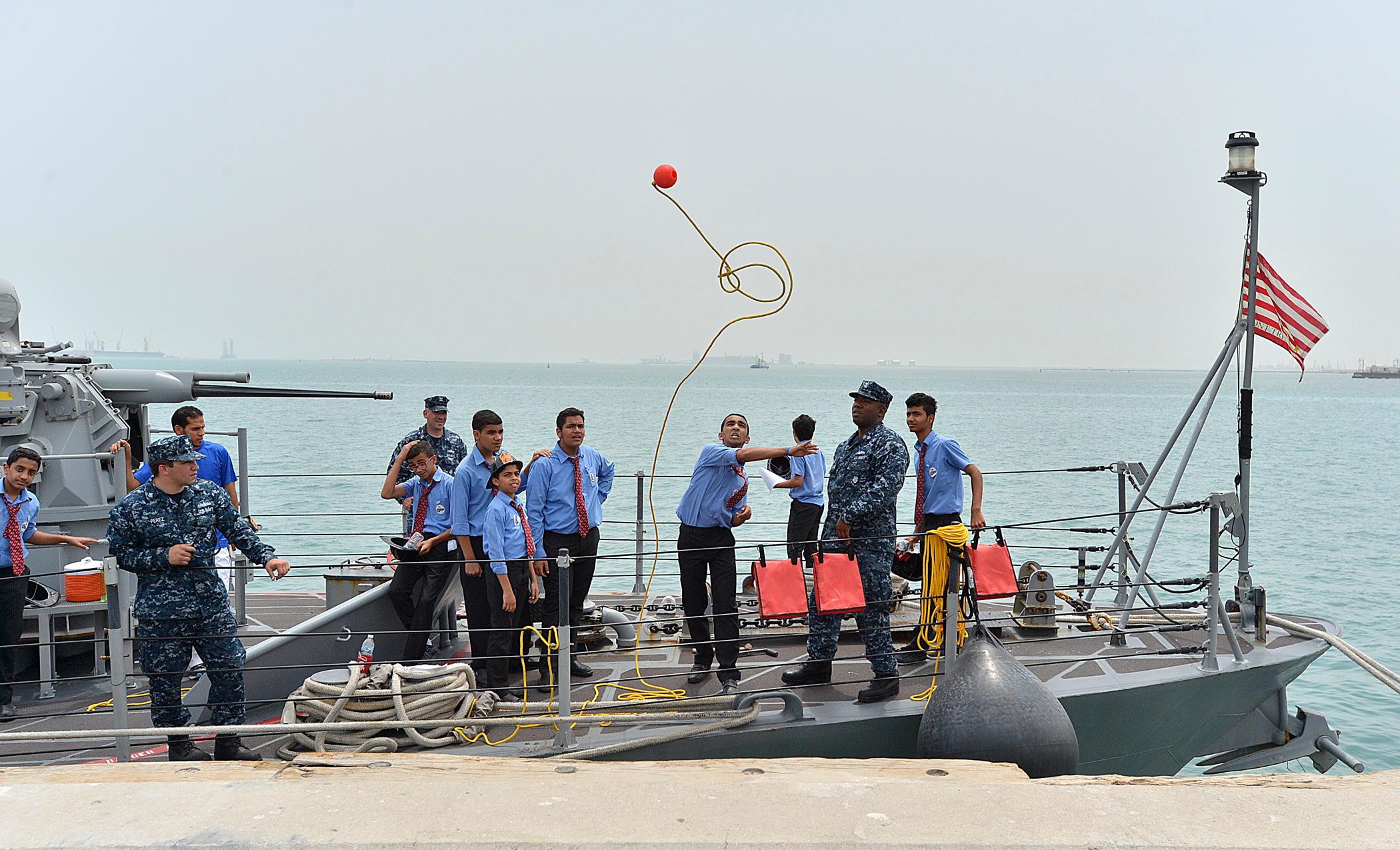
MANAMA, Bahrain / WASHINGTON — Military tensions across the Persian Gulf escalated to dangerous new thresholds on Saturday after Iran’s Islamic Revolutionary Guard Corps (IRGC) publicly claimed responsibility for launching a coordinated drone barrage targeting a U.S. early-warning radar installation situated near Naval Support Activity Bahrain.
The claimed offensive followed a series of limited preemptive U.S. airstrikes that neutralized an asymmetric communications relay tower near the Strait of Hormuz earlier in the week. While U.S. Central Command (CENTCOM) forcefully disputed Tehran's claims that the installation was destroyed—confirming that ship-based Aegis air defense systems and land-based Patriot batteries intercepted multiple inbound hostile drones without American casualties—the brazen strike marked one of the most direct military confrontations in the theater in months.
In Washington, President Donald Trump addressed the incident during an impromptu exchange with reporters, signaling a calculated strategic shift. Trump stated that while American military assets remain fully prepared to retaliate with overwhelming force, key Gulf allies—including Saudi Arabia and the United Arab Emirates—have urged diplomatic restraint to safeguard vital maritime energy corridors from catastrophic regional conflagration.
Simultaneously, the administration confirmed a major recalibration of its diplomatic delegation: President Trump announced that Vice President JD Vance has been formally withdrawn from direct oversight of Iran backchannel negotiations. Trump stated that the administration does not see an urgent necessity for an immediate diplomatic deal with Tehran under current conditions, instructing Vance to refocus his portfolio entirely on domestic governance priorities and federal anti-crime initiatives in major metropolitan areas.
International diplomacy remains active behind closed doors as G7 foreign ministers and Qatari mediators warn of a rapidly closing two-week window to de-escalate hostilities before commercial insurance rates and maritime transit risks compel shipping conglomerates to bypass the Persian Gulf entirely. Defense analysts emphasized that with carrier strike groups maintaining high alert, any further miscalculation could easily ignite an uncontrollable regional conflagration.
Related Coverage

European Leaders Convene Emergency Dublin Summit Demanding Central Role in Ukraine Peace Negotiations
Meeting at Dublin Castle, European Union heads of state pushed back against bilateral U.S.-Russian diplomacy, insisting that European security architectures cannot be negotiated without direct, sovereign European representation.

U.S.-Led Trilateral Talks in Abu Dhabi Yield Ukraine Prisoner Exchange Deal as Envoys Depart for Moscow
Intense American-mediated discussions in the United Arab Emirates produced an agreement in principle on a major humanitarian prisoner swap between Russia and Ukraine, though a comprehensive ceasefire remains elusive as U.S. envoys travel to Moscow.
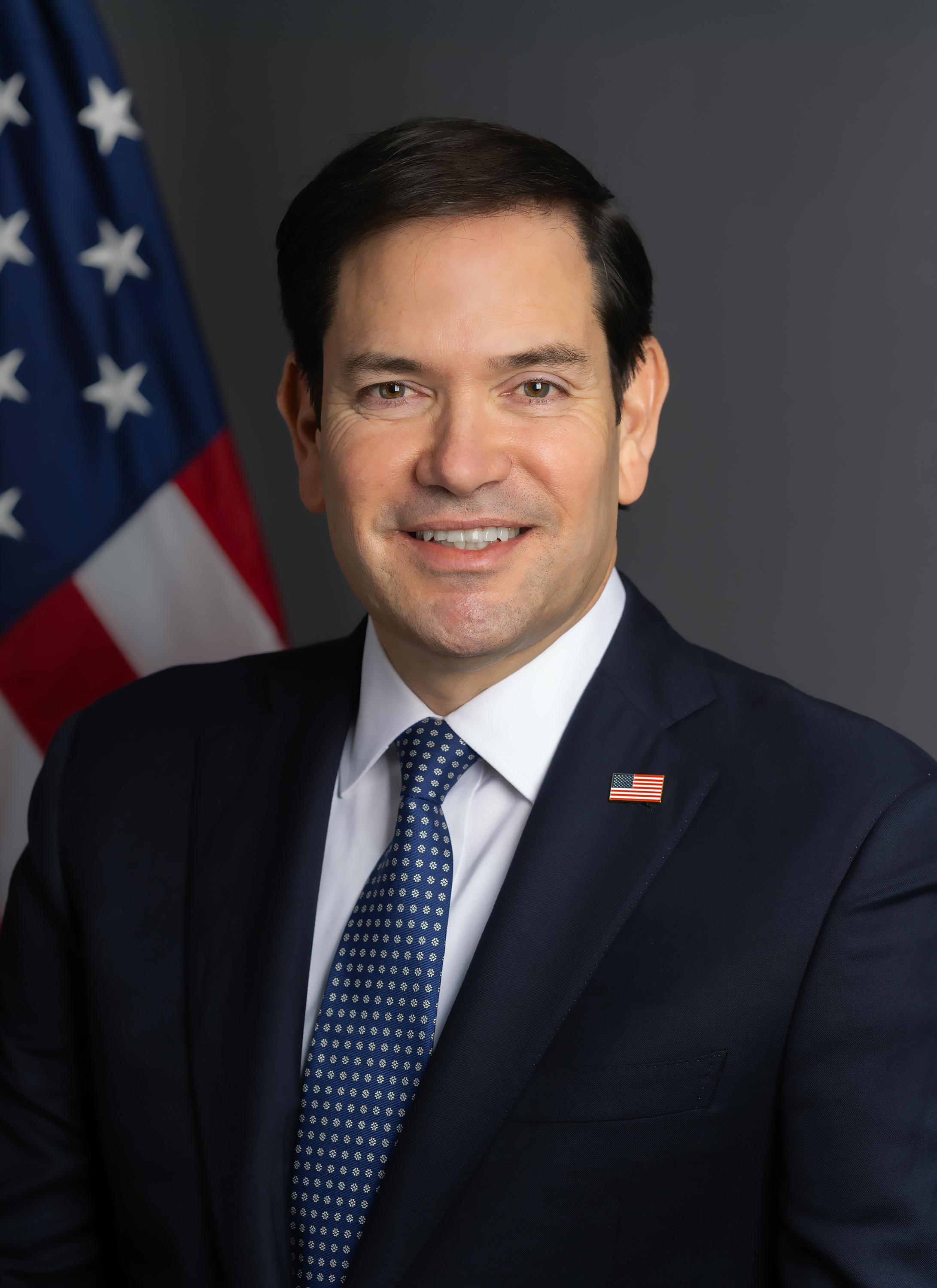
Secretary Rubio Confirms U.S. Sees ‘No Immediate Need’ to Resume Iran Strikes Following Gulf Consultations
Speaking after high-stakes multilateral discussions in Riyadh and Doha, Secretary of State Marco Rubio affirmed that recent regional diplomatic commitments have established a viable deterrence posture, obviating further U.S. preemptive kinetic strikes.