Secretary Rubio Confirms U.S. Sees ‘No Immediate Need’ to Resume Iran Strikes Following Gulf Consultations
Speaking after high-stakes multilateral discussions in Riyadh and Doha, Secretary of State Marco Rubio affirmed that recent regional diplomatic commitments have established a viable deterrence posture, obviating further U.S. preemptive kinetic strikes.

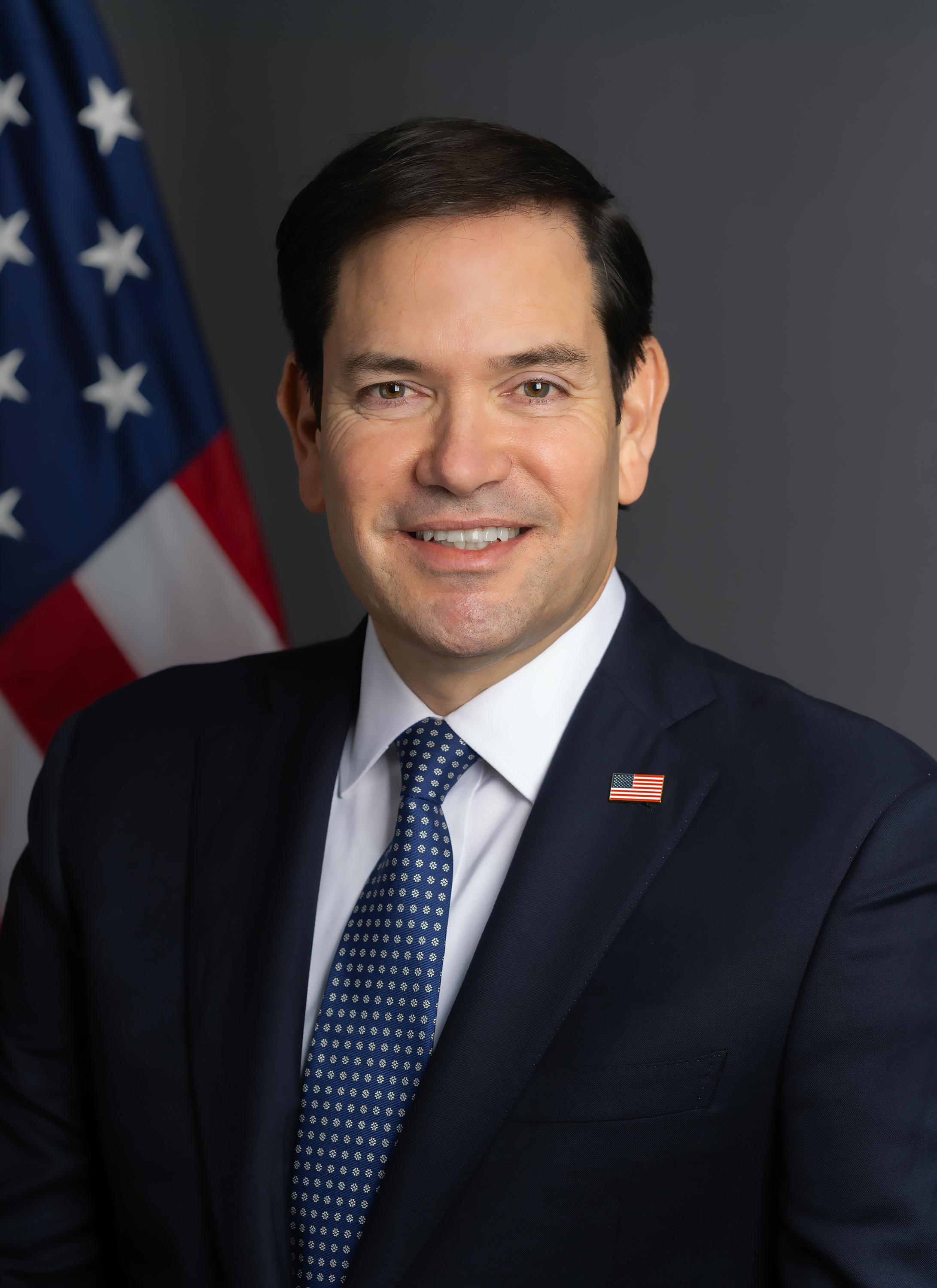
RIYADH / WASHINGTON — Concluding forty-eight hours of intense, closed-door diplomatic negotiations across the Persian Gulf, Secretary of State Marco Rubio formally confirmed on Tuesday that the United States sees 'no immediate military necessity' to initiate further kinetic strikes against regional military installations. The high-level announcement represents a significant de-escalation after weeks of soaring maritime tensions, drone interceptions, and heightened naval alerts throughout the Strait of Hormuz and the Bab el-Mandeb.
Appearing alongside Gulf Cooperation Council foreign ministers at a joint press availability in Riyadh, Secretary Rubio articulated that concrete reciprocal security commitments, established through Swiss and Omani intermediaries, had stabilized vital regional energy corridors. 'Our posture has always been rooted in deterrence and the unyielding protection of American personnel and commercial navigation,' Rubio declared. 'Thanks to firm leadership and coordinated defense measures with our Gulf allies, we have communicated unmistakable boundaries. So long as these non-aggression protocols and maritime safety commitments are upheld, the United States will prioritize diplomatic verification over armed action.'
The diplomatic reprieve follows backchannel discussions where regional intelligence leaders hammered out technical arrangements to halt asymmetric drone incursions against commercial shipping lanes in exchange for targeted adjustments to regional naval inspection zones. Financial and commodity markets responded instantaneously to the State Department’s statement, with global marine insurance premiums dropping sharply and major container conglomerates resuming routine passage schedules through previously restricted red zones.
Despite the public optimism, defense officials in the Pentagon emphasized that American carrier strike groups and integrated missile defense battalions stationed across the Arabian Peninsula will remain on high operational alert. Congressional leaders on Capitol Hill received a classified briefing from national security deputies outlining the precise technical verification metrics required to prevent clandestine enrichment or covert proxy restocking. Both conservative and moderate lawmakers praised the administration's resolve while cautioning that long-term regional stability depends upon rigorous international inspection enforcement.
International allies, including British, French, and Japanese maritime task forces operating in the western Indian Ocean, welcomed the diplomatic cooling, issuing joint statements urging sustained adherence to the newly established navigation channels. As Secretary Rubio departs the Middle East for consultations with NATO counterparts in Brussels, geopolitical strategists view this agreement as a crucial diplomatic milestone that successfully averts an all-out regional conflict while reinforcing allied security architectures across the global energy supply chain.
Related Coverage
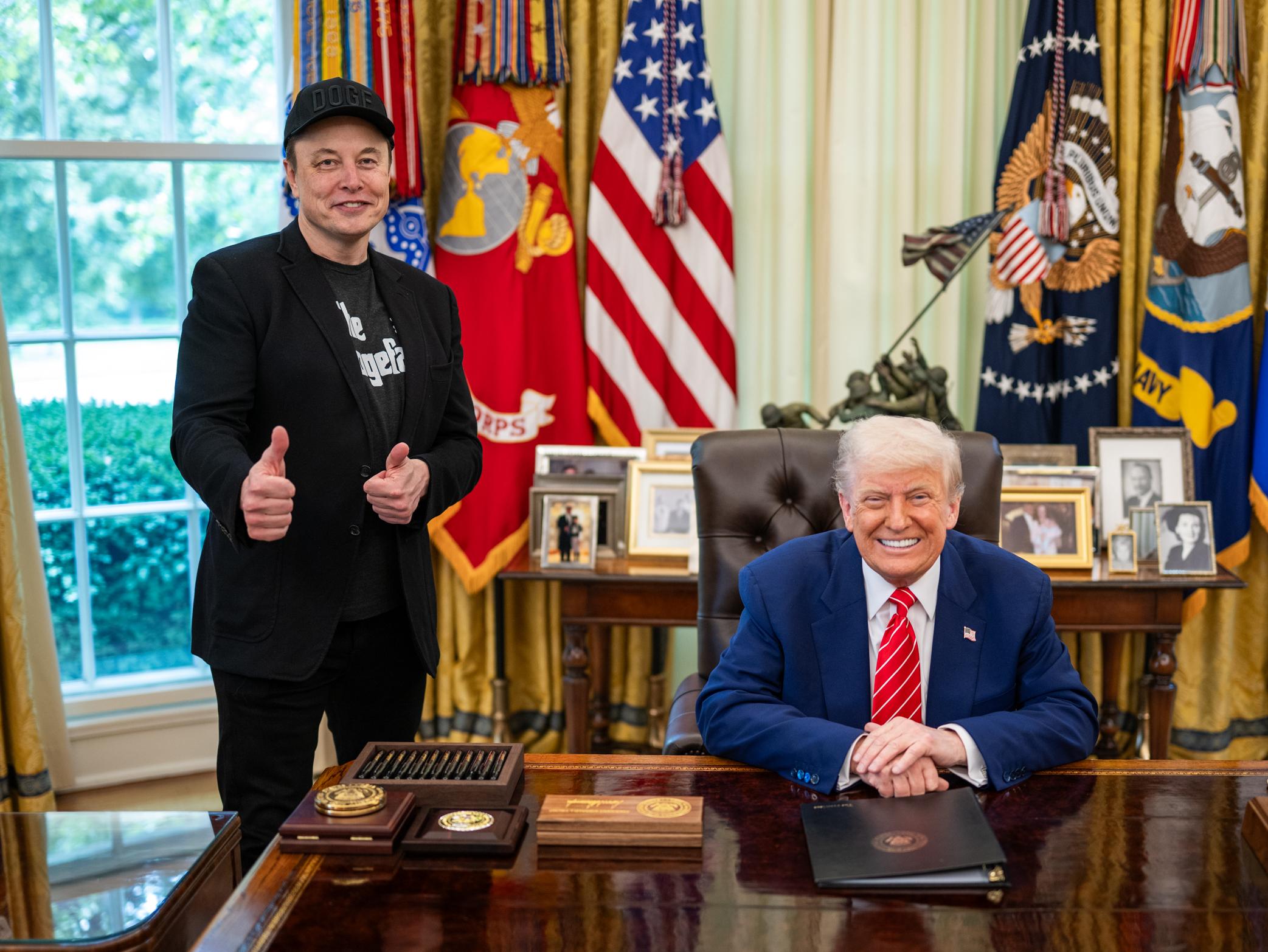
Trump Declares Military Conflict With Iran 'Effectively Over' Following High-Level Qatari Mediation in Washington
During a wide-ranging White House briefing, the president indicated that diplomatic engagements have paused kinetic operations, though defense forces remain deployed in full readiness.
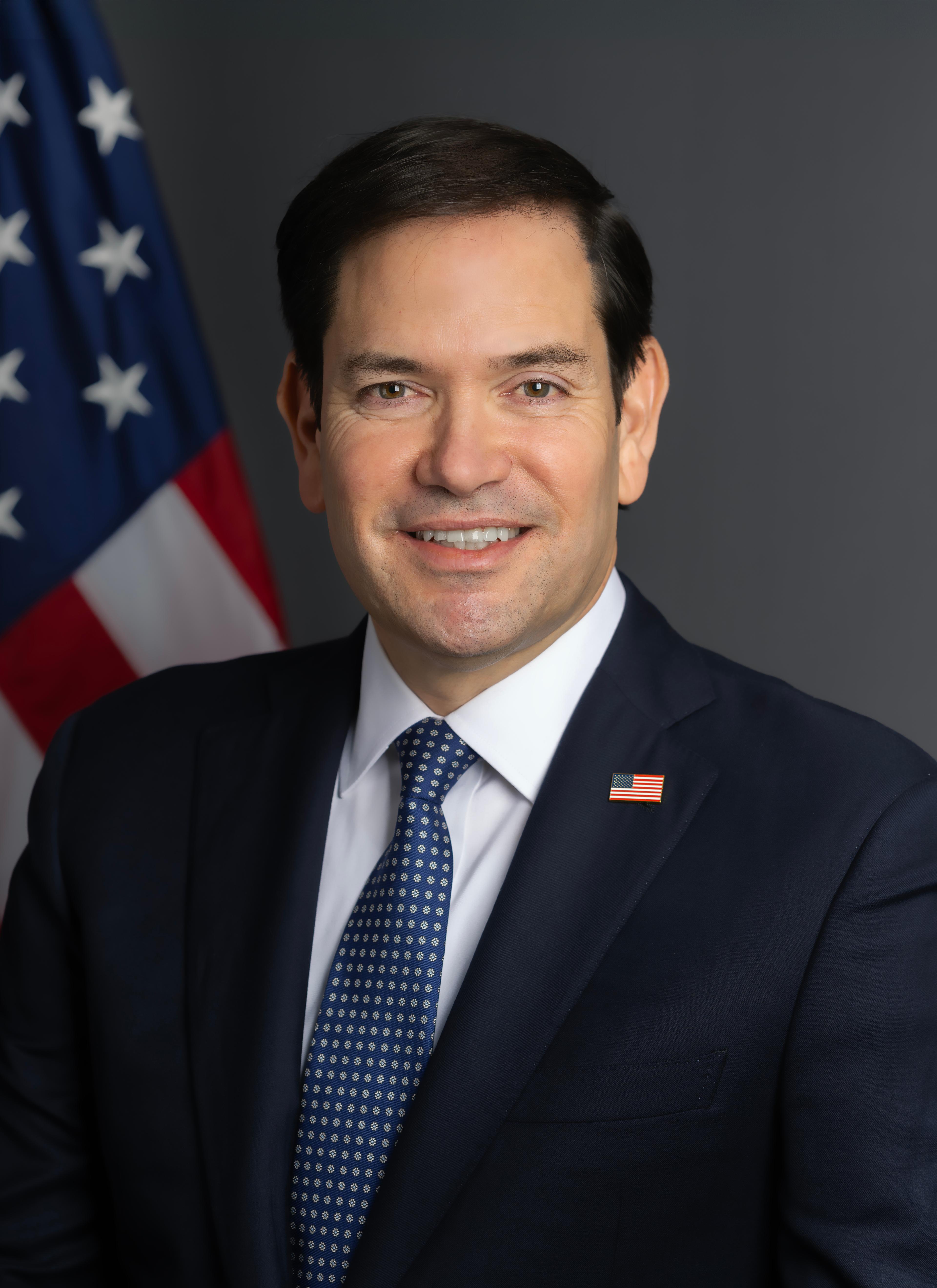
Secretary of State Marco Rubio Joins G7 Envoys in Paris for High-Stakes Summit on Middle East and Ukraine Security Architecture
Top diplomats from the Group of Seven gathered in the French capital to align multilateral foreign policy priorities, calibrating diplomatic pressure points and international deterrence strategies.

U.S. Military Conducts Limited Defensive Strikes in Strait of Hormuz as Diplomatic Talks Advance in Doha
American forces engaged coastal radar installations on Qeshm Island following an unprovoked firing incident on U.S. naval reconnaissance, while high-level backchannel talks continue in Qatar.