U.S.-Led Trilateral Talks in Abu Dhabi Yield Ukraine Prisoner Exchange Deal as Envoys Depart for Moscow
Intense American-mediated discussions in the United Arab Emirates produced an agreement in principle on a major humanitarian prisoner swap between Russia and Ukraine, though a comprehensive ceasefire remains elusive as U.S. envoys travel to Moscow.


ABU DHABI — Consecutive days of high-stakes trilateral diplomacy mediated by the United States in Abu Dhabi concluded with a tangible humanitarian breakthrough on Thursday, as Russian and Ukrainian delegations agreed in principle to execute a large-scale prisoner of war exchange. While the negotiated framework fell short of securing an immediate territorial ceasefire, American officials hailed the swap accord as an essential confidence-building mechanism ahead of direct high-level consultations in Moscow and European capitals.
According to diplomatic sources familiar with the Emirati-hosted sessions, U.S. special envoys Steve Witkoff and Jared Kushner pressed both sides to establish verifiable humanitarian corridors and de-confliction channels surrounding critical winter energy infrastructure. Following the conclusion of the Abu Dhabi round, Witkoff and Kushner departed immediately for Moscow to hold direct discussions with Russian President Vladimir Putin, before traveling onward to Europe for consultations with Ukrainian President Volodymyr Zelenskyy.
Even as Washington pushes to link an eventual end to hostilities with a broader continental security architecture, sharp friction has emerged between American negotiators and key European Union governments. Diplomats in Paris, Berlin, and Warsaw voiced forceful reservations regarding unilateral security proposals, insisting that sovereign European nations must occupy a central seat at the negotiating table and warning that Moscow cannot be granted an implicit veto over NATO force deployments or future alliance expansion.
Simultaneously, international security dynamics remain strained across the Middle East. During Veterans Day remarks at Arlington National Cemetery, President Donald Trump stated that the ongoing standoff with Iran will end 'when we want to end it,' even as Tehran's Supreme National Security Council publicly rejected U.S. demands to surrender enriched nuclear stockpiles. Meanwhile, the U.S. Department of Justice unsealed new federal indictments targeting members of Iran-backed front networks accused of orchestrating plots against American and allied facilities in Europe.
As winter sets in across Eastern Europe and diplomatic envoys shuttle between Moscow, Kyiv, and Brussels, geopolitical analysts warn that the window for structured compromise remains exceedingly narrow. For hundreds of Ukrainian and Russian families awaiting the implementation of the Abu Dhabi prisoner swap, however, the diplomatic progress offers a rare glimmer of relief amid years of unrelenting conflict.
Related Coverage
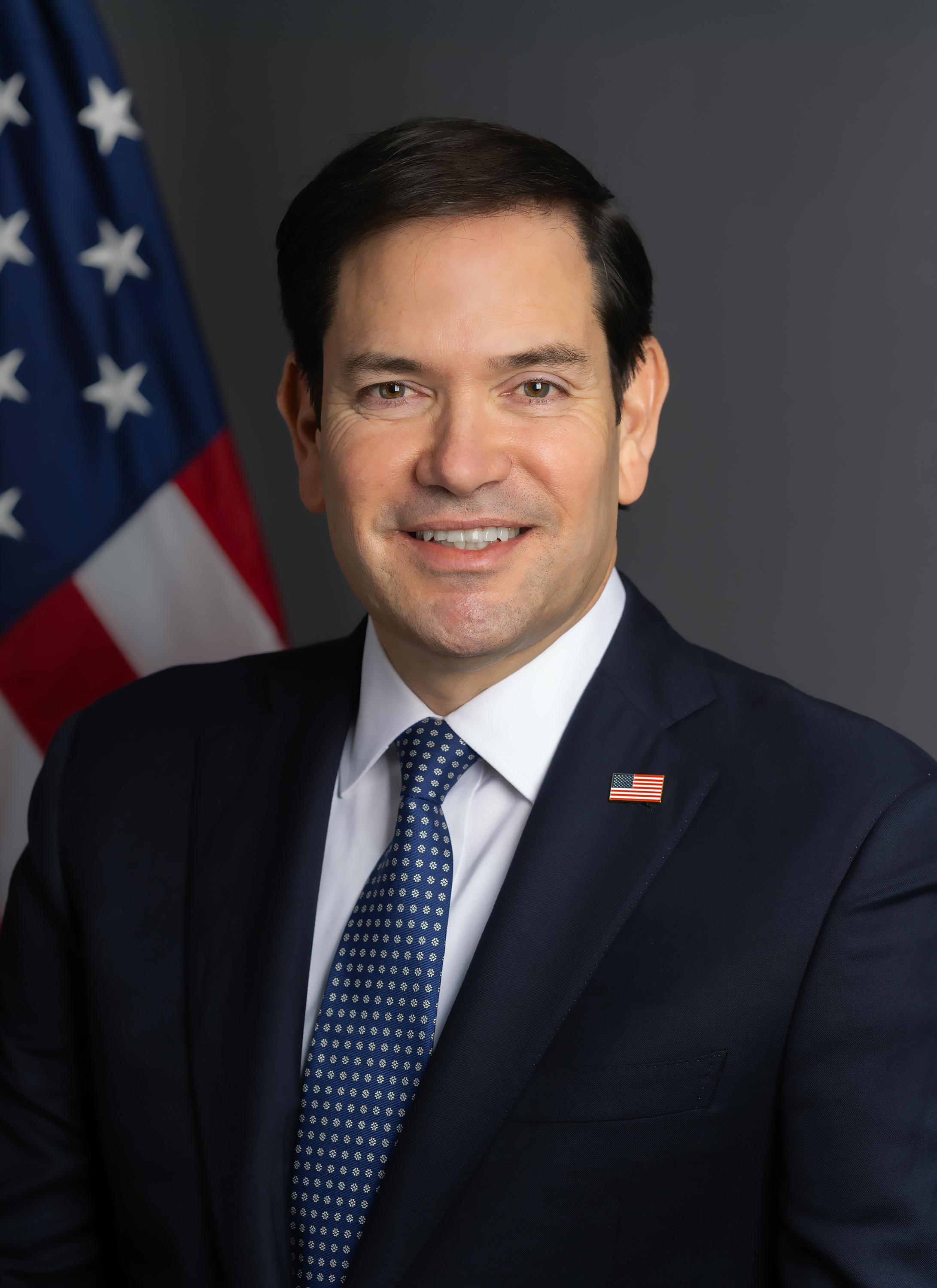
Secretary Rubio Confirms U.S. Sees ‘No Immediate Need’ to Resume Iran Strikes Following Gulf Consultations
Speaking after high-stakes multilateral discussions in Riyadh and Doha, Secretary of State Marco Rubio affirmed that recent regional diplomatic commitments have established a viable deterrence posture, obviating further U.S. preemptive kinetic strikes.
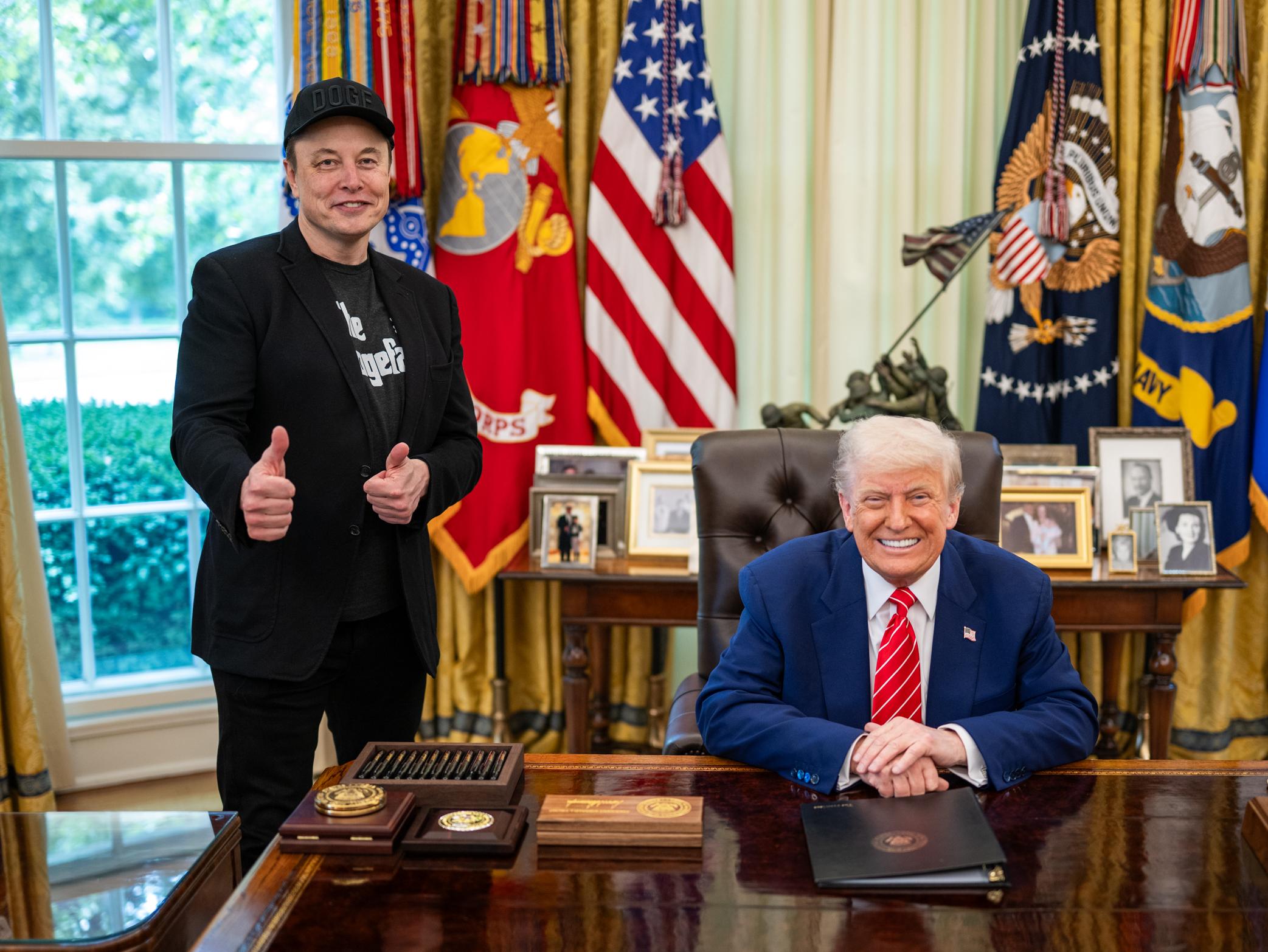
Trump Declares Military Conflict With Iran 'Effectively Over' Following High-Level Qatari Mediation in Washington
During a wide-ranging White House briefing, the president indicated that diplomatic engagements have paused kinetic operations, though defense forces remain deployed in full readiness.
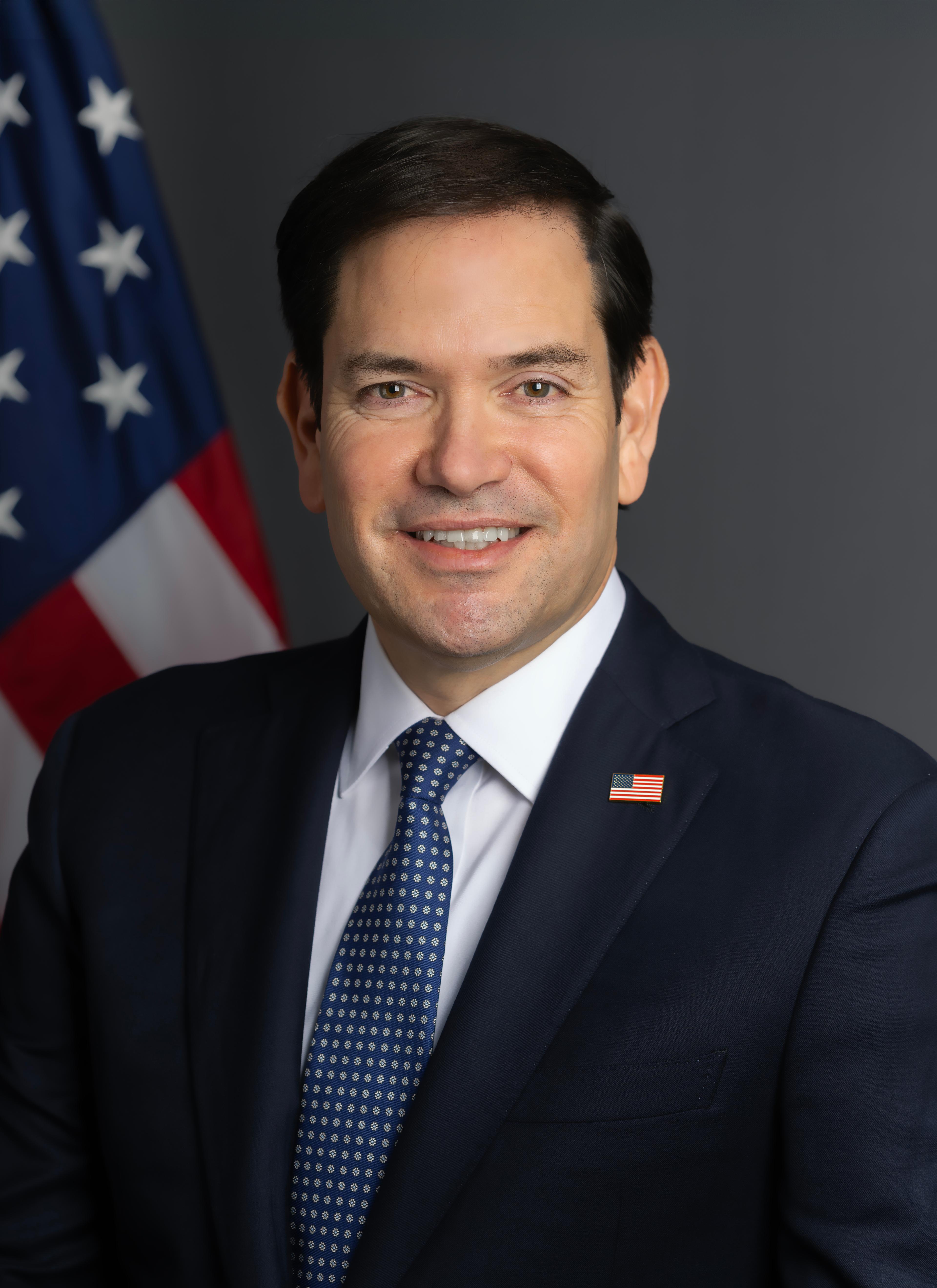
Secretary of State Marco Rubio Joins G7 Envoys in Paris for High-Stakes Summit on Middle East and Ukraine Security Architecture
Top diplomats from the Group of Seven gathered in the French capital to align multilateral foreign policy priorities, calibrating diplomatic pressure points and international deterrence strategies.