Jensen Huang Abruptly Resigns as Nvidia CEO Following Internal Inquiry; CFO Colette Kress Named Interim Leader
In a seismic shockwave across the global semiconductor landscape, iconic Nvidia co-founder Jensen Huang stepped down following an independent board probe, thrusting longtime financial chief Colette Kress into the executive helm.


SANTA CLARA, Calif. — In an earthquake that rattled the foundations of the global technology sector, Jensen Huang—the charismatic co-founder, president, and chief executive officer who transformed Nvidia Corporation from a niche graphics hardware startup into a multi-trillion-dollar artificial intelligence titan—abruptly resigned from all executive and board positions on Friday.
The shock departure followed an intensive, independent corporate investigation overseen by the board of directors and conducted by special outside counsel Wachtell, Lipton, Rosen & Katz. The inquiry examined personal conduct disclosures and potential national security compliance questions regarding personal relationships with individuals linked to foreign corporate entities. In a formal corporate announcement issued before market open, the board announced that Chief Financial Officer Colette Kress has been appointed interim Chief Executive Officer, effective immediately, while an executive search firm conducts an international search for a permanent successor.
'For more than three decades, Jensen Huang’s extraordinary vision, relentless engineering ambition, and leadership propelled Nvidia to become the engine powering modern computing,' the lead independent director of Nvidia's board said in an official statement. 'However, the board is firmly committed to the highest standards of corporate governance, ethical compliance, and institutional integrity. We have total confidence in Colette Kress and our deep executive leadership bench to guide our engineering roadmap and serve our global partners without interruption.'
The leadership upheaval wiped out tens of billions of dollars in market valuation during pre-market trading, sending ripples through global semiconductor supply chains from Taiwan to Silicon Valley. As Wall Street grappled with the exit of AI hardware’s foremost champion, major geopolitical developments simultaneously emerged in Washington: OpenAI privately informed congressional leaders that it supports proposed bipartisan legislation tightening export controls on advanced AI silicon and semiconductor manufacturing tools destined for China, capitalizing on the lobbying vacuum created by Huang’s departure.
Industry analysts and enterprise cloud clients noted that while Nvidia's CUDA software moat and next-generation Blackwell computing clusters remain unmatched in raw performance, the sudden loss of its iconic founder introduces unprecedented leadership uncertainty at the exact moment competitors like AMD, Broadcom, and proprietary hyperscale silicon programs are racing to capture data center market share.
Related Coverage

Meta Expands Muse Personal AI Assistant to Apple Watch and Wear OS Smartwatches
Expanding its ecosystem beyond smartphones and tablets, Meta officially launched its conversational Muse AI agent on Apple Watch and Android Wear OS devices, bringing hands-free voice reasoning directly to users' wrists.
Nvidia and Jensen Huang Sued in Federal Court Over AI Chip Supply Chain Disclosures and Forecasts
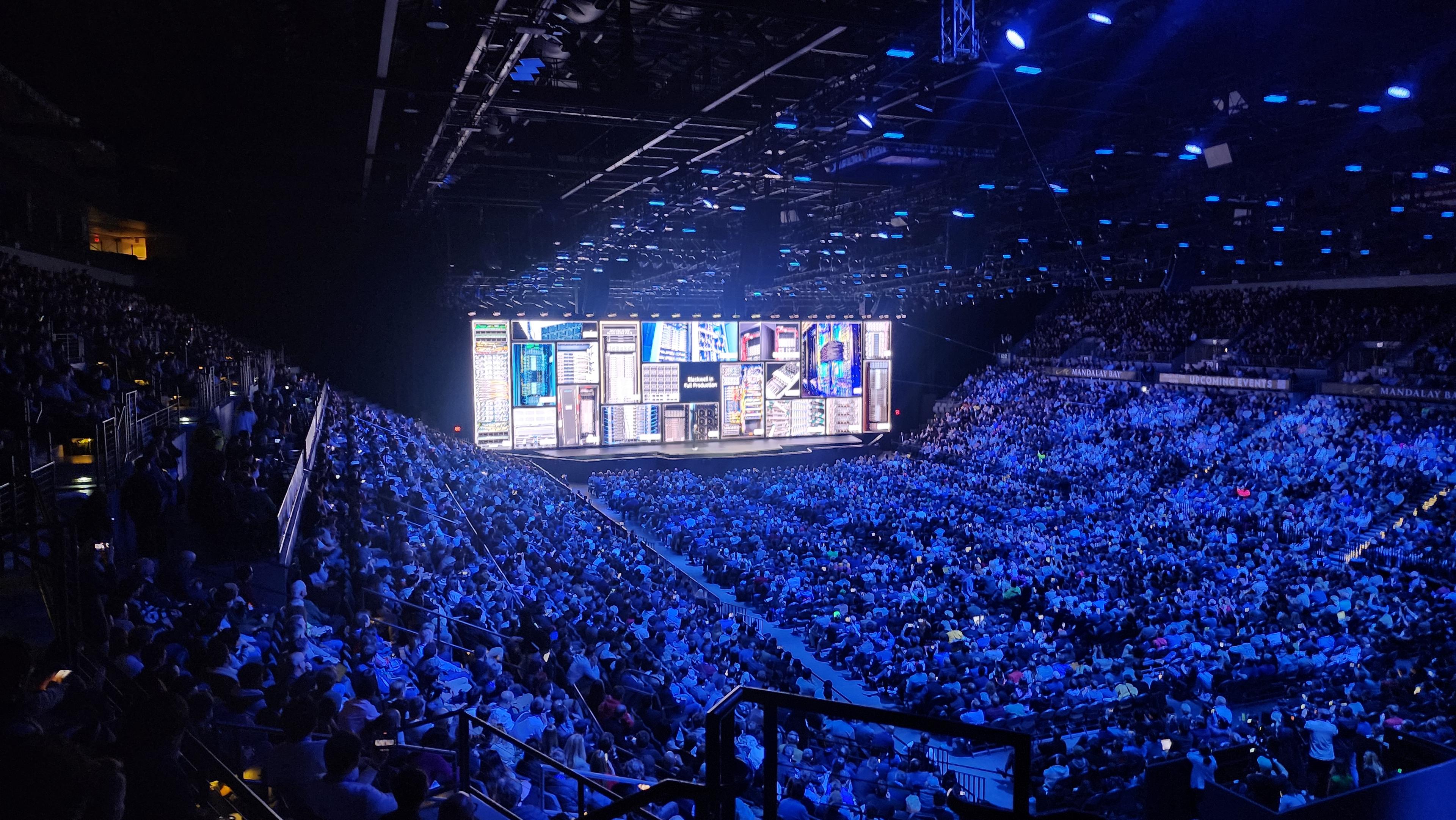
Institutional asset managers have filed a class-action lawsuit in the Northern District of California against Nvidia and Chief Executive Jensen Huang, alleging that leadership mischaracterized next-generation data center delivery timelines and customer concentration risks.
Physicists Observe Exotic Room-Temperature Quantum State Where Light Acts Simultaneously as Solid and Frictionless Superfluid
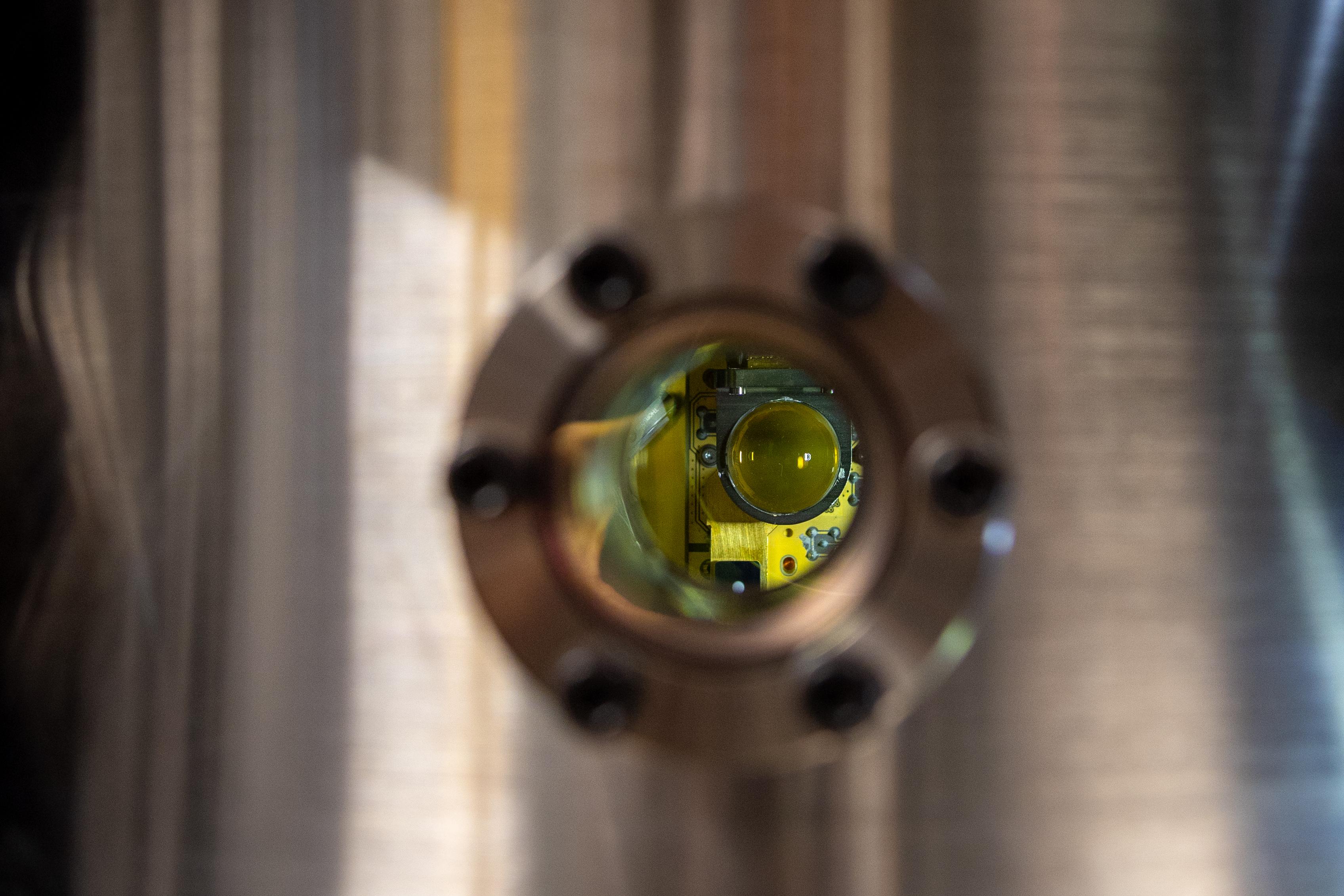
Breakthrough condensed matter research published in top physics journals demonstrates polariton quantum condensation without cryogenic cooling, opening revolutionary pathways for room-temperature photonic computing.