Nvidia and Jensen Huang Sued in Federal Court Over AI Chip Supply Chain Disclosures and Forecasts
Institutional asset managers have filed a class-action lawsuit in the Northern District of California against Nvidia and Chief Executive Jensen Huang, alleging that leadership mischaracterized next-generation data center delivery timelines and customer concentration risks.

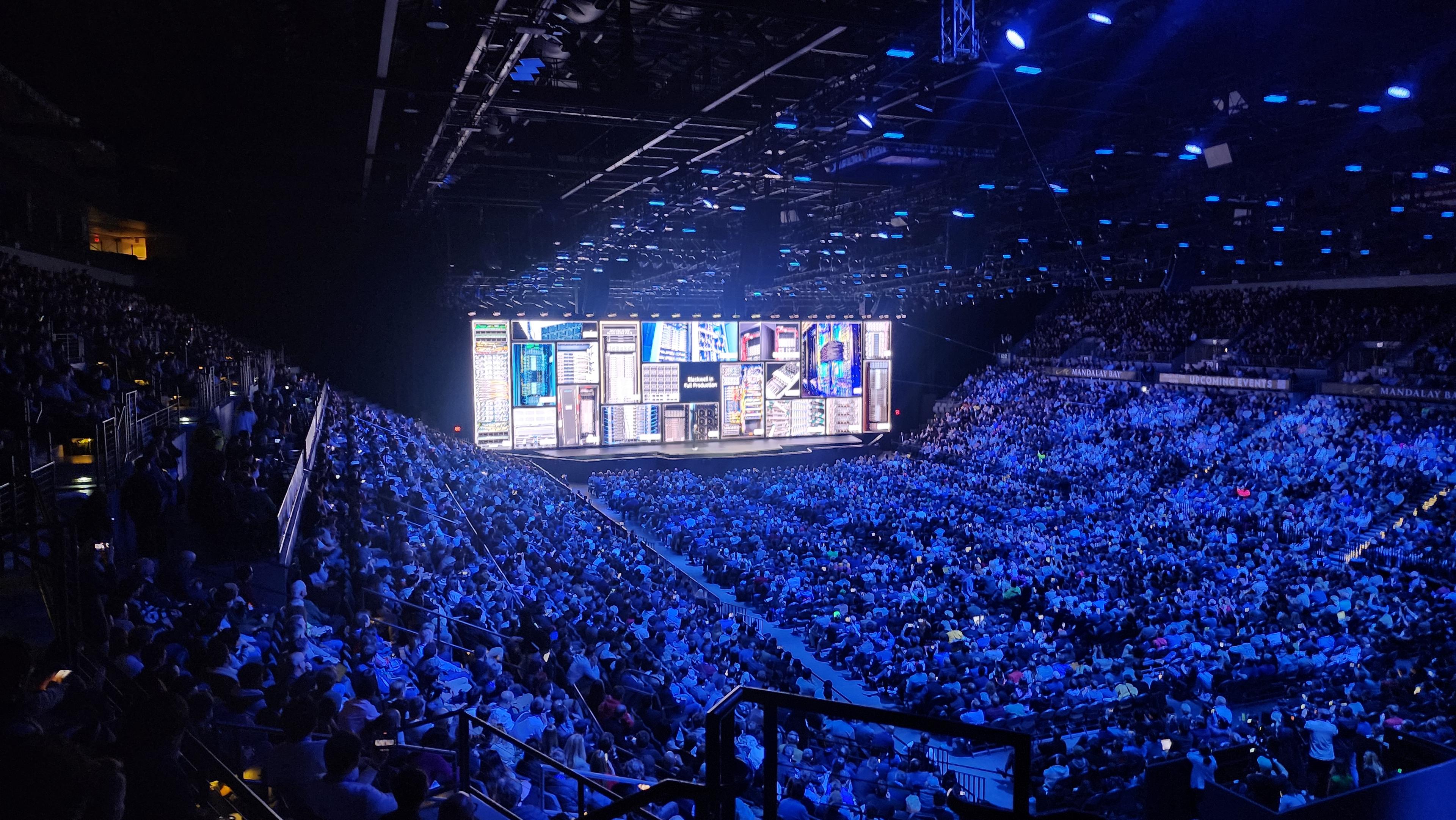
SAN JOSE, Calif. — In a major legal development rattling the global semiconductor industry, a consortium of institutional pension funds and asset managers filed a comprehensive federal securities class action on Tuesday against Nvidia Corporation and its Chief Executive Officer, Jensen Huang. The complaint, lodged in the U.S. District Court for the Northern District of California, alleges that the semiconductor giant made materially misleading statements regarding packaging bottlenecks, yield rates, and revenue predictability for its high-performance AI data center silicon.
According to the 84-page filing, the plaintiffs claim that between late 2025 and mid-2026, Nvidia corporate executives publicly downplayed severe advanced packaging constraints (specifically regarding Chip-on-Wafer-on-Substrate technology) while privately knowing that hardware revisions would delay high-volume shipments to hyperscale cloud providers by several quarters. The complaint alleges that when customer adjustments and deferred delivery timelines eventually materialized in financial filings, the resulting market correction wiped out tens of billions of dollars in shareholder value, causing substantial losses to public institutional investors.
'Public corporate officers have a statutory fiduciary duty to provide accurate, transparent assessments of supply chain integrity and delivery timelines, particularly when commercial operations operate at unprecedented market valuations,' stated lead litigation counsel representing the class of shareholders. 'Our complaint alleges that internal engineering assessments detailing thermal yield challenges and silicon packaging revisions were shielded from public view while executives reiterated unachievable production targets to financial analysts.'
Nvidia responded unequivocally to the lawsuit, issuing a statement defending the integrity of its public disclosures and technological roadmap. 'Nvidia has consistently provided accurate, forward-looking guidance based on available information, openly discussing the complex engineering challenges inherent in rolling out the most sophisticated computing architectures ever manufactured,' a company spokesperson stated. 'This lawsuit is completely devoid of merit. Our next-generation computing architectures are shipping at scale to premier enterprise partners globally, and we will defend ourselves vigorously against these unfounded allegations.'
The litigation comes at a pivotal inflection point for artificial intelligence infrastructure equities, as Wall Street analysts increasingly scrutinize the return on capital expenditures across major technology conglomerates. Legal experts in Silicon Valley noted that while securities class actions routinely follow sharp market volatility in high-flying tech sectors, surviving initial motions to dismiss requires demonstrating specific knowledge of falsity under stringent PSLRA standards. The case is expected to draw immense attention across institutional finance as discovery proceedings examine confidential supply chain correspondence and internal silicon verification logs.
Related Coverage
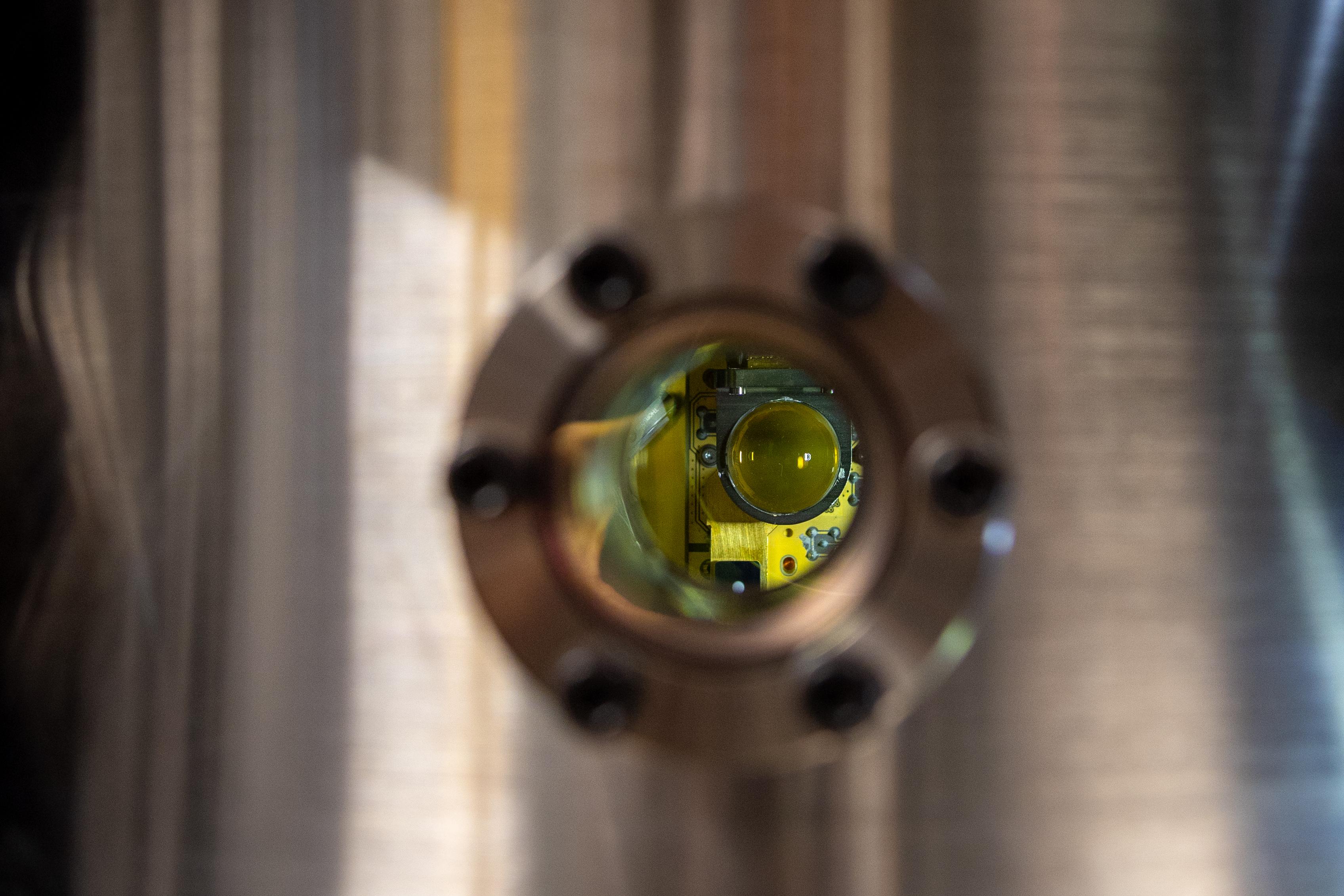
Physicists Observe Exotic Room-Temperature Quantum State Where Light Acts Simultaneously as Solid and Frictionless Superfluid
Breakthrough condensed matter research published in top physics journals demonstrates polariton quantum condensation without cryogenic cooling, opening revolutionary pathways for room-temperature photonic computing.
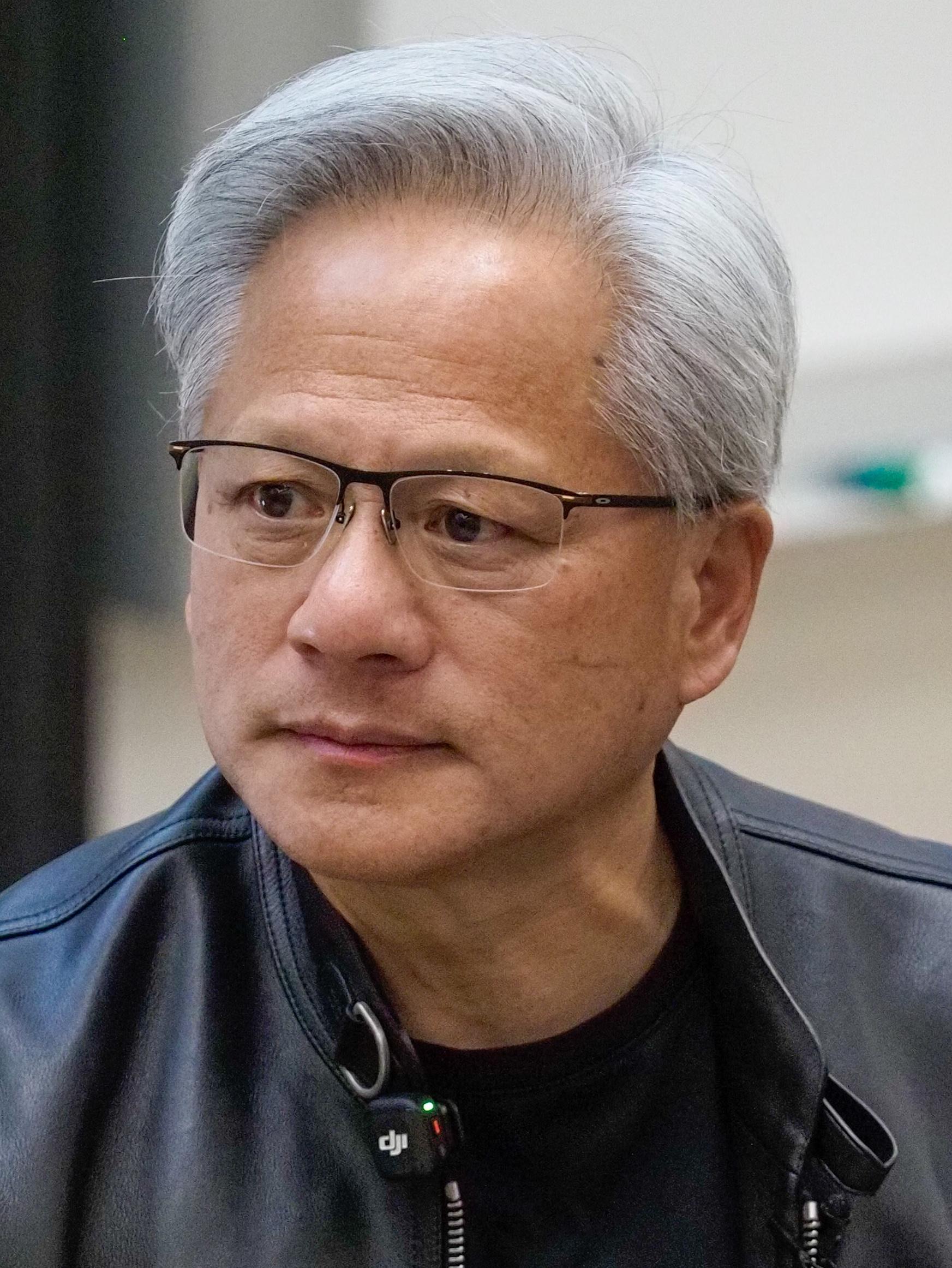
Nvidia Board Initiates Independent Investigation Following CEO Jensen Huang's Disclosures Amid Silicon Valley Scrutiny
The semiconductor giant’s board has retained outside legal counsel to conduct an independent review after chief executive Jensen Huang disclosed past personal relationships subject to national security scrutiny.

Marvell and Lumentum Announce Milestone $115 Billion Merger to Accelerate Optical AI Infrastructure
In one of the largest semiconductor transactions in history, the combined entity aims to eliminate critical optical and electrical networking bottlenecks inside next-generation artificial intelligence data centers.