NASA Expands Artemis Surface Fleet with Landmark Autonomous Rover and Infrastructure Contracts
NASA has announced a sweeping series of task orders under the Commercial Lunar Payload Services initiative, greenlighting the deployment of long-range autonomous utility rovers and surface communication arrays destined for the Moon’s permanently shadowed South Pole craters.

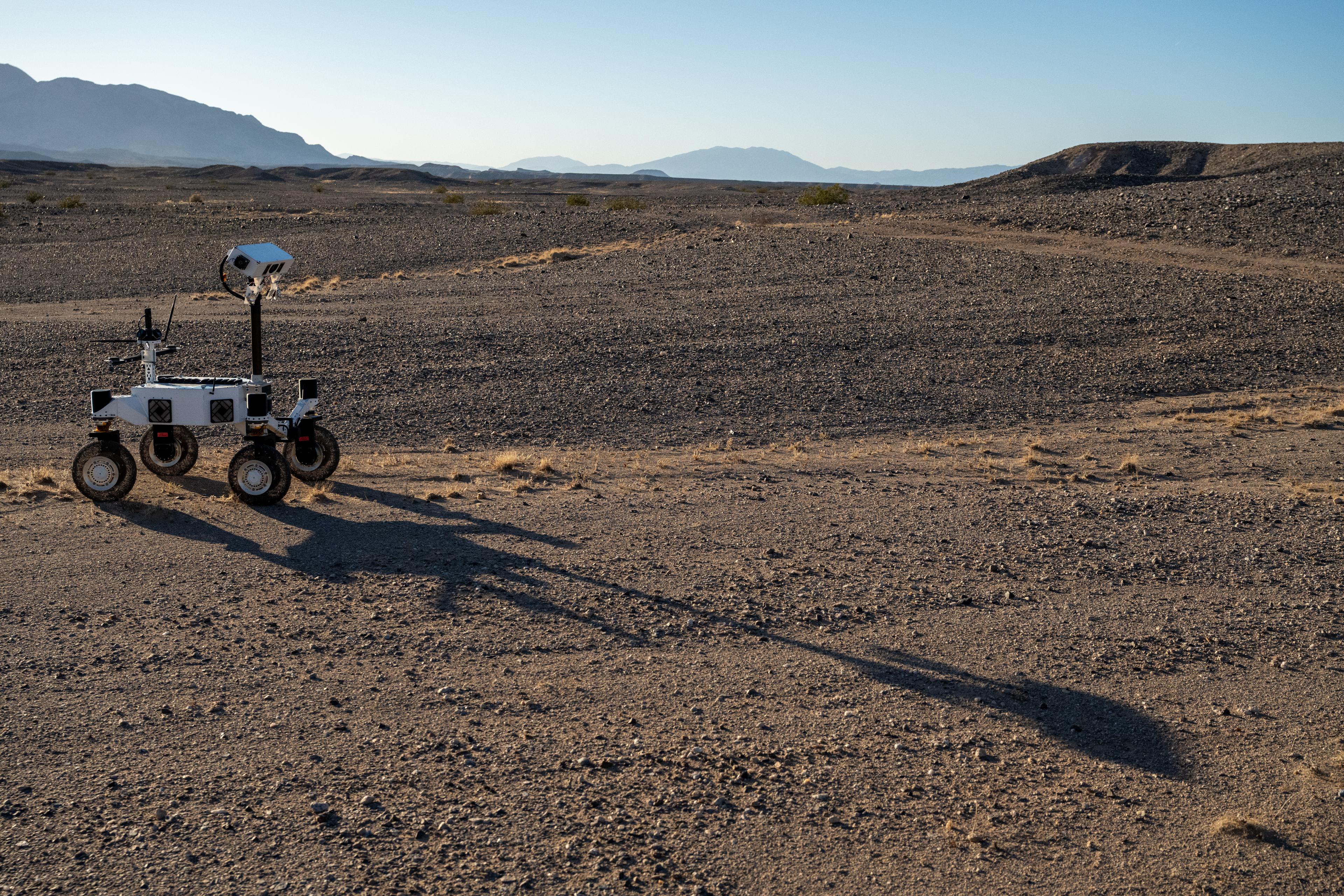
WASHINGTON / HOUSTON — Advancing its foundational preparations for sustained human habitation on the lunar surface, the National Aeronautics and Space Administration (NASA) announced on Tuesday the award of three major commercial contracts valued at over $1.4 billion. The task orders, issued under the Commercial Lunar Payload Services (CLPS) framework, fund the construction, testing, and surface deployment of second-generation autonomous robotic rovers, power transmission hubs, and cryogenic resource prospectors targeting the Moon’s permanently shadowed South Pole craters.
The selected commercial aerospace teams will deliver heavy-payload robotic explorers equipped with autonomous terrain navigation systems, ground-penetrating radar, and automated ice-drilling apparatuses. Unlike previous exploration rovers that required constant real-time teleoperation from Earth, these advanced robotic units incorporate onboard edge computing and vision-guided neural networks capable of independently navigating rugged lunar regolith and mapping hazardous boulder fields in ultra-low lighting conditions without human intervention.
'Today marks a transformative shift from exploratory reconnaissance to permanent operational infrastructure on another celestial body,' said NASA's Associate Administrator for Exploration Systems Development during a technical briefing at Headquarters. 'These autonomous rover systems will operate continuously throughout the harsh two-week lunar nights, scouting volatile water ice deposits, establishing microwave communication relays, and laying the groundwork for our astronauts before Artemis expedition crews step foot onto the Shackleton Rim.'
A key technological milestone within the newly commissioned missions is the deployment of high-efficiency surface solar towers and deployable fuel-cell battery banks designed to survive temperatures plunging below minus 240 degrees Celsius in deep polar craters. Scientists hypothesize that extracting and processing subsurface lunar ice into liquid hydrogen and oxygen propellant will be essential for reducing terrestrial launch mass and fueling long-duration deep space voyages, including future crewed expeditions to Mars.
The missions are scheduled for sequential launches starting in late 2027 and continuing through 2029 aboard commercial heavy-lift rocket platforms. International space partners, including the European Space Agency and the Japanese Aerospace Exploration Agency, are contributing secondary scientific instruments to the rover payloads, emphasizing the collaborative international character of lunar commercialization. As lunar orbital traffic intensifies, planetary scientists hailed the contracts as an indispensable bridge transforming theoretical space science into a viable off-world industrial ecosystem.
Related Coverage
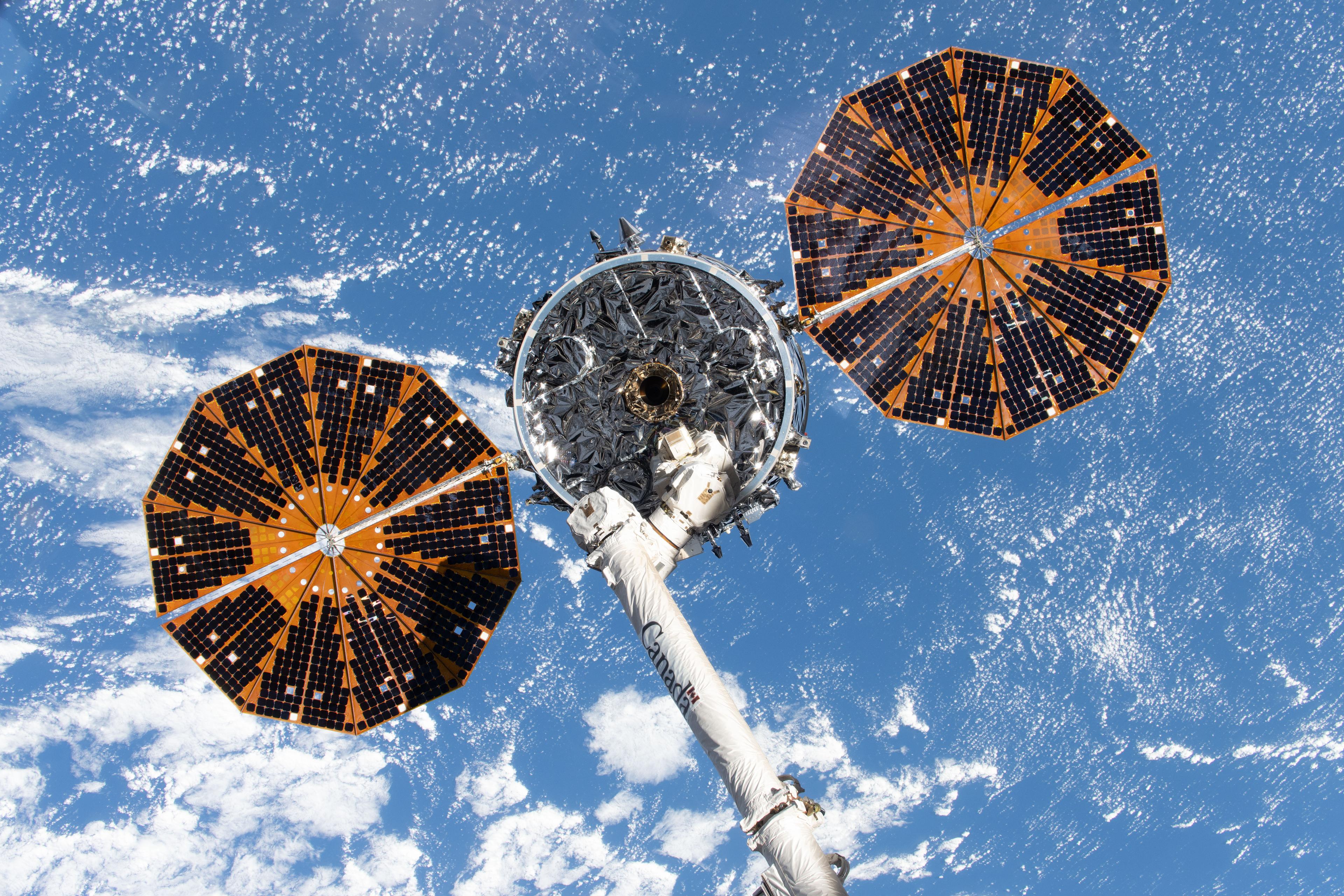
Autonomous Robotics Achieve Milestone in Self-Assembling Deep-Space Habitats in Microgravity Orbital Trials
NASA and commercial aerospace consortia completed orbital flight demonstrations proving that multi-jointed robotic systems can autonomously weld, inspect, and deploy mega-structures in low-Earth orbit.

Geological Breakthrough: Deep-Mantle Pacific Subduction Revealed as Engine Driving North America's Grand Canyon Uplift
Groundbreaking seismic tomography and mineralogical isotopic analysis demonstrate how ancient oceanic plate tectonic forces thousands of miles away triggered the iconic geological carving of the American Southwest.

Breakthrough Electronic Implant Eliminates Type 2 Diabetes Symptoms Without Insulin in Trial
A tiny bioelectronic device using electro-catalysis converts excess circulating glucose into naturally eliminated compounds, achieving superior glycemic control and weight reduction.