NASA's James Webb Space Telescope Uncovers New Inner Moon of Uranus and Captures High-Definition Infrared View of NGC 1365
Astrophysicists utilizing JWST's ultra-sensitive infrared cameras detect a previously hidden 29th moon orbiting Uranus and reveal unprecedented details of star-forming filaments feeding a supermassive black hole in galaxy NGC 1365.

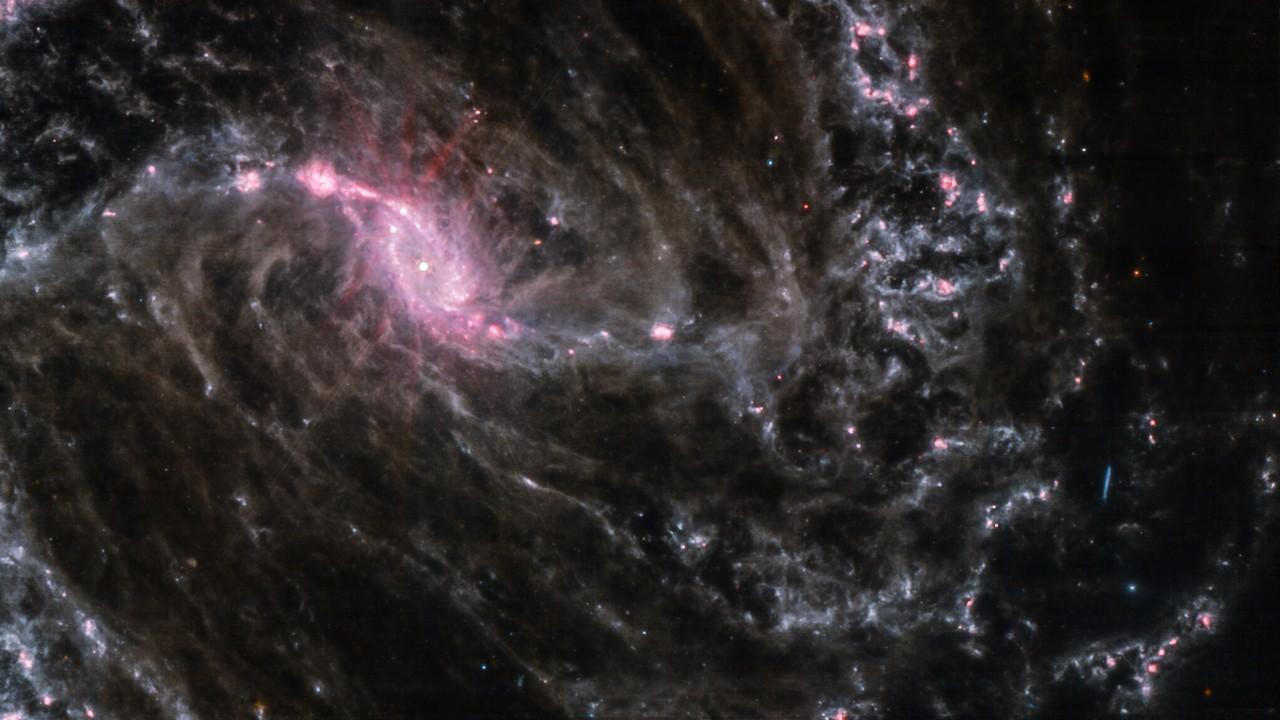
BALTIMORE — The James Webb Space Telescope (JWST) has delivered another remarkable scientific milestone, with international astronomical teams confirming the discovery of a previously undetected inner moon orbiting the ice giant Uranus, alongside breathtaking new mid-infrared imaging that uncovers the intricate stellar nurseries of barred spiral galaxy NGC 1365.
The newly identified Uranian satellite, temporarily designated S/2024 U 1, was discovered in deep infrared exposures captured by Webb's Near-Infrared Camera (NIRCam). Measuring just five miles in diameter, the moon orbits nestled among Uranus's complex inner ring system approximately 40,000 miles from the planet's cloud tops. The detection elevates Uranus's total confirmed moon count to 29, representing the first discovery of an inner Uranian moon in more than two decades and offering planetary scientists crucial clues regarding the chaotic gravitational dynamics and collision history of the outer solar system.
Simultaneously, NASA and the European Space Agency released an extraordinary high-resolution observation of barred spiral galaxy NGC 1365—often called the Great Barred Spiral Galaxy—located 56 million light-years away in the constellation Fornax. Captured by Webb's Mid-Infrared Instrument (MIRI), the image penetrates cosmic dust blankets that had obscured previous optical telescopes, exposing delicate web-like filaments of polycyclic aromatic hydrocarbons and glowing interstellar gas.
The data reveals hundreds of dense clusters of newly born stars embedded within the galaxy's majestic sweeping spiral arms and provides the clearest view to date of material streaming along its central gravitational bar. Astrophysicists noted that this gas funnel directly feeds an active galactic nucleus housing a supermassive black hole measuring nearly two million times the mass of the Sun, allowing researchers to study how central black holes regulate star formation in host galaxies.
Mission scientists at the Space Telescope Science Institute emphasized that these dual discoveries showcase Webb's unprecedented dynamic range, demonstrating an ability to identify faint, low-albedo rocky bodies within our own solar neighborhood while simultaneously resolving the physics of starburst engines across millions of light-years of cosmic space.
Related Coverage
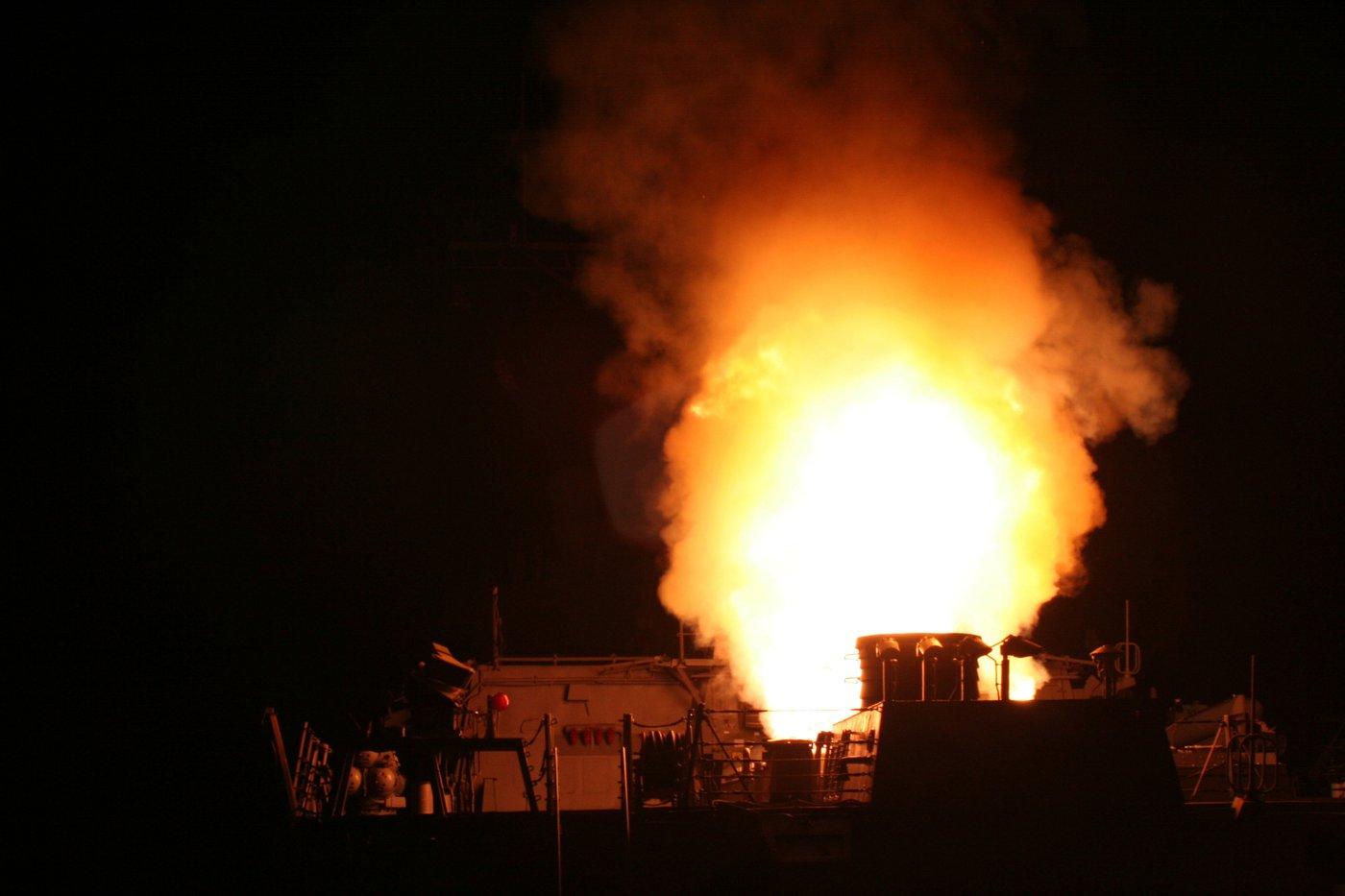
Russia Launches Experimental 'Oreshnik' Hypersonic Ballistic Missile at Mach 10 in Dnipro Strike, Prompting Emergency NATO Consultations
Russian forces conducted a combat test of an experimental intermediate-range ballistic missile dubbed 'Oreshnik', striking the Pivdenmash aerospace facility in Dnipro with Mach 10 multiple warheads in response to Western deep-strike permissions.
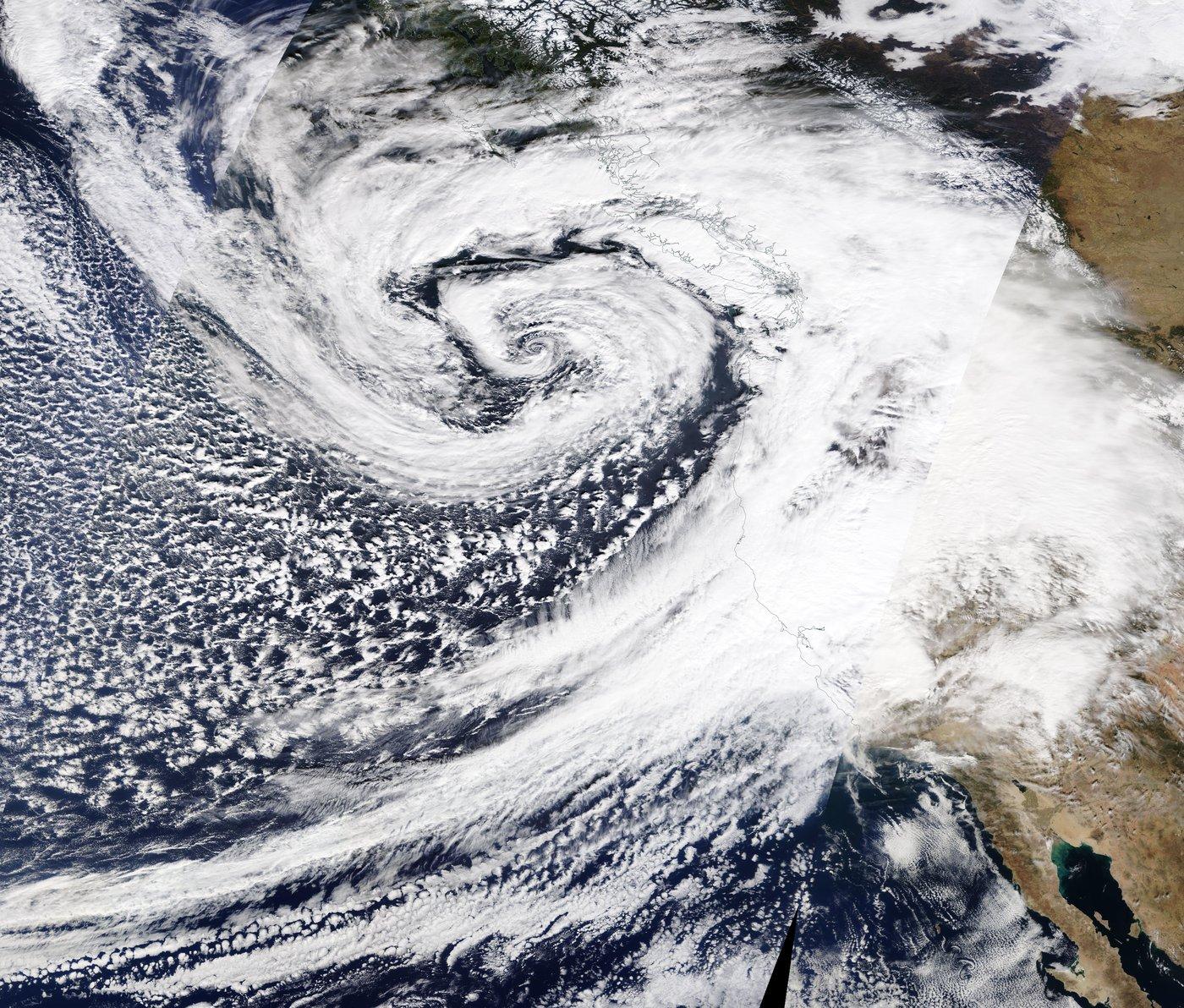
Catastrophic Bomb Cyclone and Atmospheric River Batter Pacific Northwest with 80 MPH Winds, Leaving 600,000 Without Power
A once-in-a-decade extratropical bomb cyclone coupled with a category 5 atmospheric river battered Washington, Oregon, and Northern California with hurricane-force gusts, toppling massive timber, leaving two dead, and cutting electrical power across metropolitan corridors.
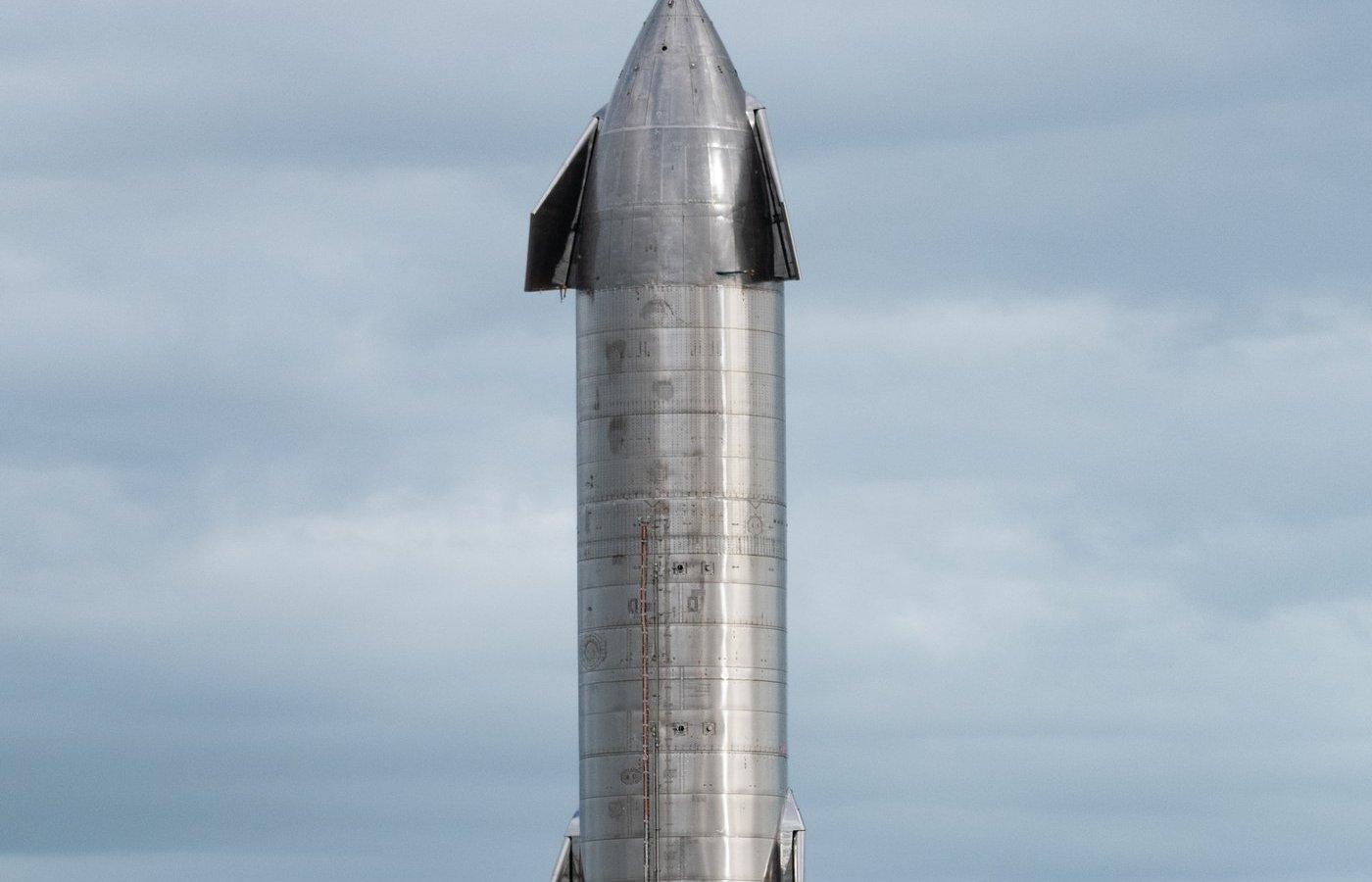
SpaceX Starship Flight 6 Achieves Daytime Ocean Splashdown as Trump and Musk Witness Boca Chica Liftoff Under Scrutinized FAA Regulations
SpaceX completed the sixth integrated flight test of its massive Starship launch vehicle from Starbase in Boca Chica, Texas, executing an in-space Raptor relight and a controlled Indian Ocean splashdown witnessed firsthand by President-elect Donald Trump.