SpaceX Starship Flight 6 Achieves Daytime Ocean Splashdown as Trump and Musk Witness Boca Chica Liftoff Under Scrutinized FAA Regulations
SpaceX completed the sixth integrated flight test of its massive Starship launch vehicle from Starbase in Boca Chica, Texas, executing an in-space Raptor relight and a controlled Indian Ocean splashdown witnessed firsthand by President-elect Donald Trump.

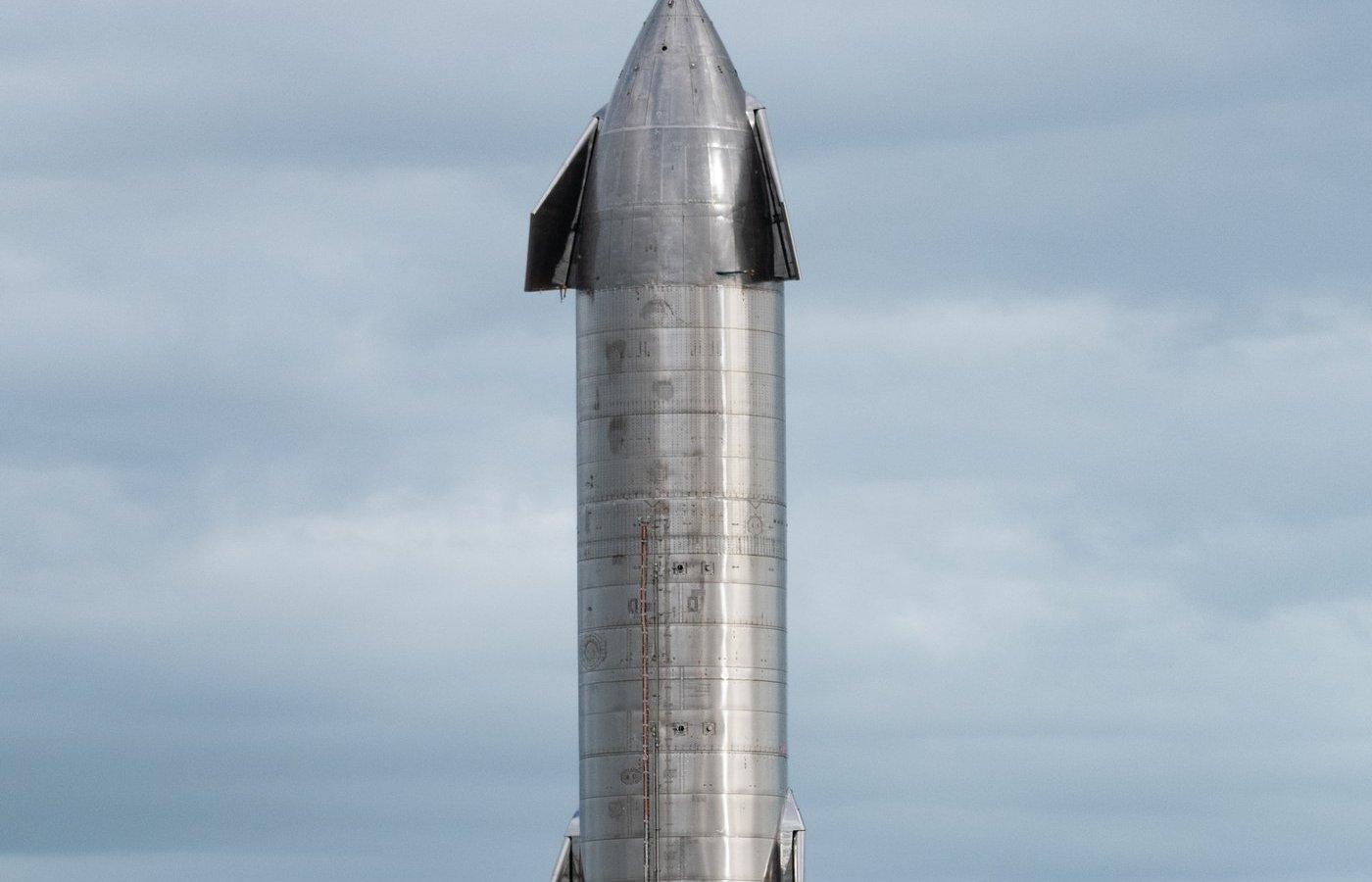
BOCA CHICA, Texas — SpaceX achieved another monumental technological milestone in its quest to develop fully reusable super-heavy interplanetary launch vehicles on Tuesday afternoon, successfully executing the sixth integrated flight test (IFT-6) of its 400-foot Starship and Super Heavy booster from the company's Starbase spaceport in southern Texas. The high-profile orbital flight test, which included the historic first-ever relight of a vacuum-optimized Raptor engine in space and a precision daytime splashdown in the Indian Ocean, was observed on-site by President-elect Donald Trump alongside SpaceX founder and chief engineer Elon Musk.
Liftoff occurred precisely at 4:00 PM local time as all thirty-three Raptor methane-fueled engines roared to life, generating a staggering 16.7 million pounds of thrust that propelled the colossal spacecraft stack through the coastal atmosphere. While SpaceX engineers opted to abort a repeat of the dramatic mechanical tower-arm booster catch demonstrated during Flight 5 due to real-time automated safety criteria, the Super Heavy booster executed a controlled deceleration burn and successfully performed a soft splashdown in the designated target zone of the Gulf of Mexico.
The Starship upper stage continued on its suborbital trajectory, providing aerospace engineers with invaluable telemetry data regarding upgraded thermal protection tile configurations, structural stress profiles, and aerodynamic maneuvering. The test successfully accomplished its primary mission objective: reigniting a single Raptor engine while coasting outside the Earth's atmosphere, validating critical orbital maneuvering and de-orbit burn capabilities that will be required for upcoming satellite deployment missions and NASA's Artemis III lunar landing program.
The presence of the President-elect at the launch site underscored the deeply consequential convergence of private space exploration, federal regulatory oversight, and national defense policy heading into 2027. Musk used the occasion to showcase Starbase's sprawling production infrastructure while reiterating his calls for comprehensive deregulation of commercial space licensing within the Federal Aviation Administration (FAA). With Trump having proposed the creation of a Department of Government Efficiency, industry analysts anticipate significant structural reforms aimed at accelerating environmental reviews and launch cadence authorizations.
NASA leadership closely monitored the test from Houston, as the agency remains heavily reliant on a specialized variant of Starship to serve as the Human Landing System (HLS) that will transport American astronauts from lunar orbit down to the Moon's South Pole under the Artemis campaign. SpaceX confirmed that data gathered from Flight 6's aggressive aerodynamic re-entry angle will directly inform the structural architecture of the upcoming Starship Version 2, which will feature expanded propellant capacities and redesigned forward flaps engineered to withstand severe atmospheric heating.
Starship concluded its sixty-five-minute journey with a spectacular, controlled vertical splashdown in the calm waters of the Indian Ocean, captured in pristine high-definition video by automated marine tracking buoys. As SpaceX prepares for accelerated orbital refueling demonstrations and Starfactory manufacturing expansions throughout 2027, Flight 6 firmly cements the company's unrivaled supremacy in commercial spaceflight, paving the operational path toward reusable lunar logistics and eventual Mars exploration.
Related Coverage
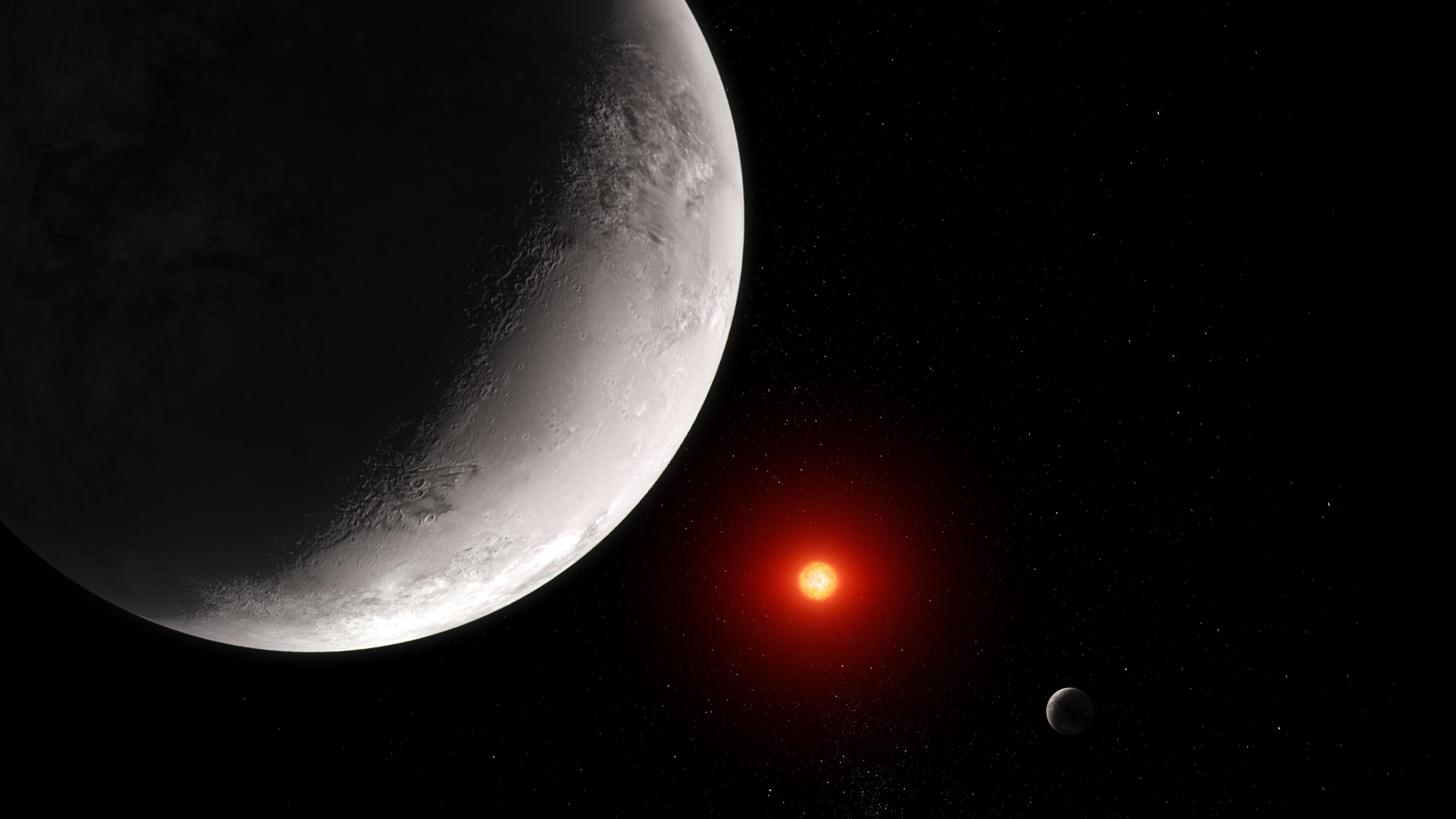
NASA Hubble and JWST Joint Initiative Unveils Atmospheric Data on Earth-Sized Rocky Exoplanets at STScI Summit
At the landmark Rocky Worlds Summit in Baltimore, NASA astrophysicists unveiled ground-breaking combined spectroscopic observations from Hubble and the James Webb Space Telescope, revealing unprecedented atmospheric profiles of terrestrial exoplanets orbiting nearby red dwarf stars.
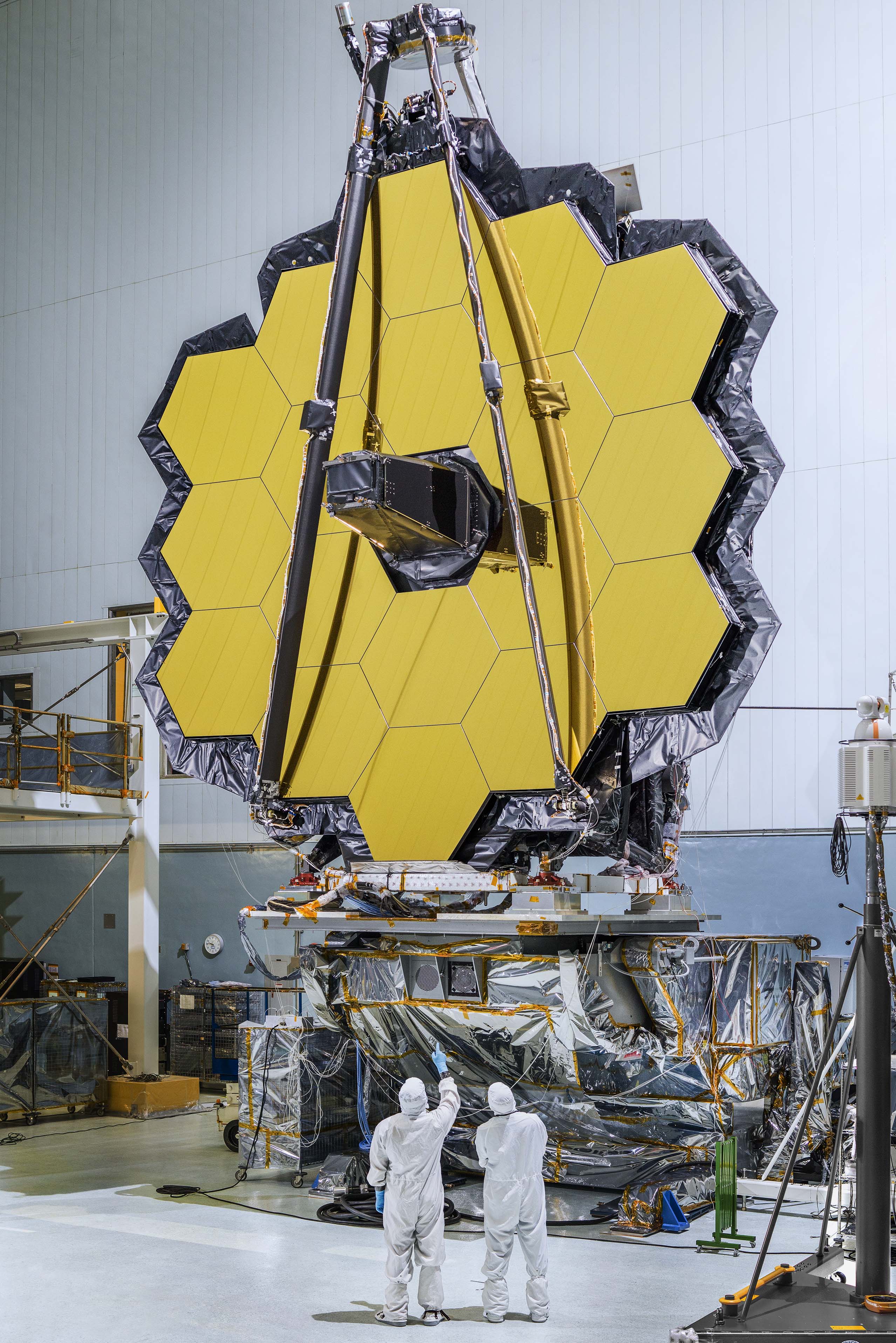
James Webb Space Telescope Discovers Earliest Quasar Pair Dating to Cosmic Dawn, Challenging Black Hole Formation Models
Astronomers utilizing the James Webb Space Telescope and Gemini North have unveiled the most ancient and closely bound pair of supermassive black hole quasars ever observed, dating back to just 900 million years after the Big Bang and upending standard cosmological timelines.
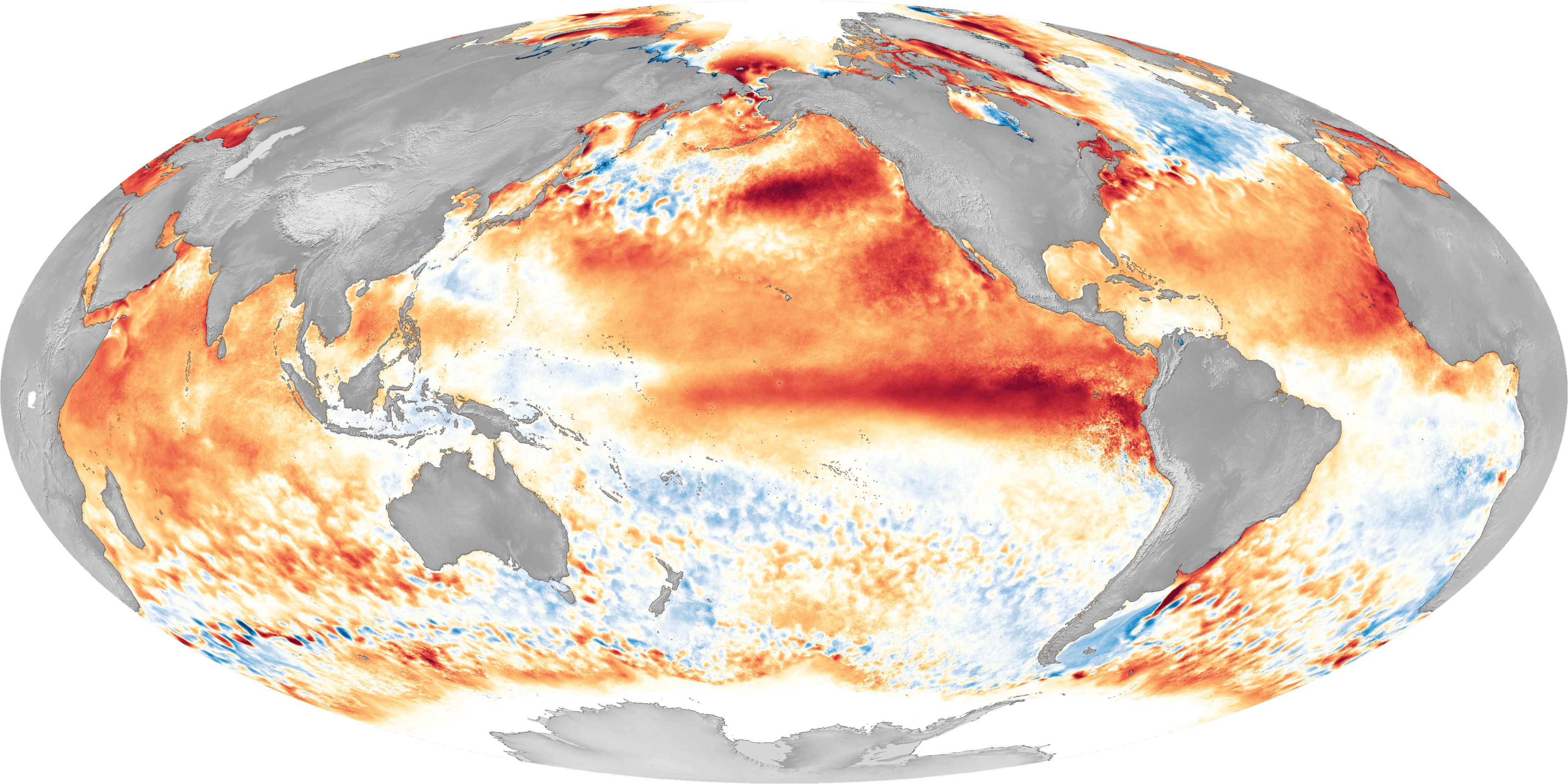
NASA Satellite Altimetry Confirms Intensifying 2026 'Super El Niño' Rivaling Historic 1997 Oceanic Heat Anomalies
Drawing on 35 years of continuous satellite ocean altimetry records, NASA Earth Observatory scientists issued a major global climate alert on Monday confirming that equatorial Pacific sea surface heights and thermal content have surged into rare 'Super El Niño' territory, portending severe winter weather extremes across North America.