Catastrophic Bomb Cyclone and Atmospheric River Batter Pacific Northwest with 80 MPH Winds, Leaving 600,000 Without Power
A once-in-a-decade extratropical bomb cyclone coupled with a category 5 atmospheric river battered Washington, Oregon, and Northern California with hurricane-force gusts, toppling massive timber, leaving two dead, and cutting electrical power across metropolitan corridors.

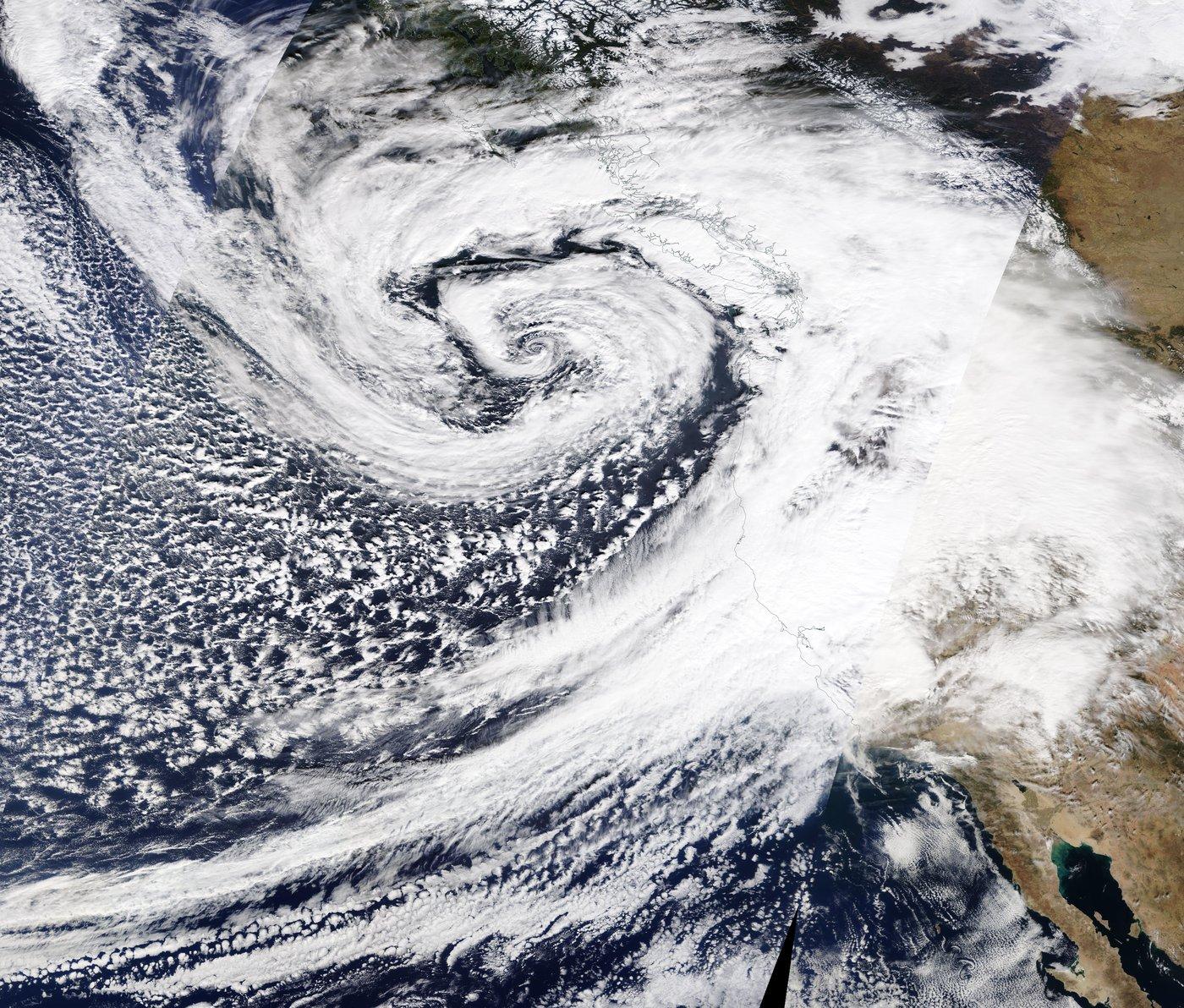
SEATTLE — A historic and ferocious extratropical storm system characterized by meteorologists as a 'once-in-a-decade bomb cyclone' slammed into the Pacific Northwest and Northern California on Wednesday, unleashing destructive hurricane-force wind gusts exceeding 80 miles per hour, torrential coastal deluges, and paralyzing blizzard conditions across mountainous passes. The extraordinary storm—which underwent explosive cyclogenesis by dropping an astounding 70 millibars of central atmospheric pressure in less than 24 hours—claimed at least two lives in western Washington and plunged more than 600,000 homes and commercial businesses into total darkness.
Emergency management directors and first responders across Puget Sound faced catastrophic conditions throughout Wednesday night as saturated soils gave way beneath howling winds, sending towering Douglas fir and cedar trees crashing onto residential roofs, arterial highways, and primary electrical distribution grids. In Lynnwood and Bellevue, Washington, emergency crews responded to fatal tree collapses that crushed occupied homes. Puget Sound Energy and Seattle City Light declared systemic emergencies, mobilizing thousands of specialized lineworkers from across the western United States to repair hundreds of downed transmission towers and severed sub-stations.
The storm's fury was magnified by its direct meteorological alignment with a powerful, moisture-dense Category 5 atmospheric river—a meteorological conveyor belt of tropical moisture stretching thousands of miles across the central Pacific Ocean. Weather stations along the Oregon Coast and the Olympic Peninsula recorded peak wind gusts of 89 miles per hour, generating towering sea swells exceeding 30 feet that breached coastal seawalls and forced the suspension of Washington State Ferry routes across Puget Sound and the Strait of Juan de Fuca.
Further inland, the system dumped epic snowfall across the Cascade Range and the northern Sierra Nevada, where blizzard warnings remained active for elevations above 3,500 feet. The National Weather Service in Seattle reported that mountain passes received between three and five feet of dense, heavy snow, completely shutting down major east-west freight corridors including Interstate 90 over Snoqualmie Pass and U.S. Route 2 over Stevens Pass due to severe avalanche hazards, fallen timber, and disabled commercial freight transports.
In Northern California, emergency authorities in Humboldt, Mendocino, and Sonoma counties issued mandatory evacuation orders and flash-flood watches as the atmospheric river began stalling over drought-scarred burn scars, unleashing sustained rainfall rates capable of triggering catastrophic mudslides and debris flows. Regional reservoirs and flood control channels were opened to maximum diversion capacities as hydrologists warned that several coastal rivers are projected to crest above major flood stages over the coming forty-eight hours.
Climate scientists and meteorologists emphasized that while autumnal extratropical cyclones are standard features of Pacific Northwest climatology, the sheer velocity of the storm's pressure drop and its unprecedented moisture transport highlight the intensifying volatility of extreme weather patterns driven by warming sea surface temperatures in the North Pacific. As utility crews labor through treacherous debris fields to restore critical municipal power, emergency officials urged millions of Pacific Northwest residents to remain off darkened roadways and prepare for prolonged power outages through the weekend.
Related Coverage
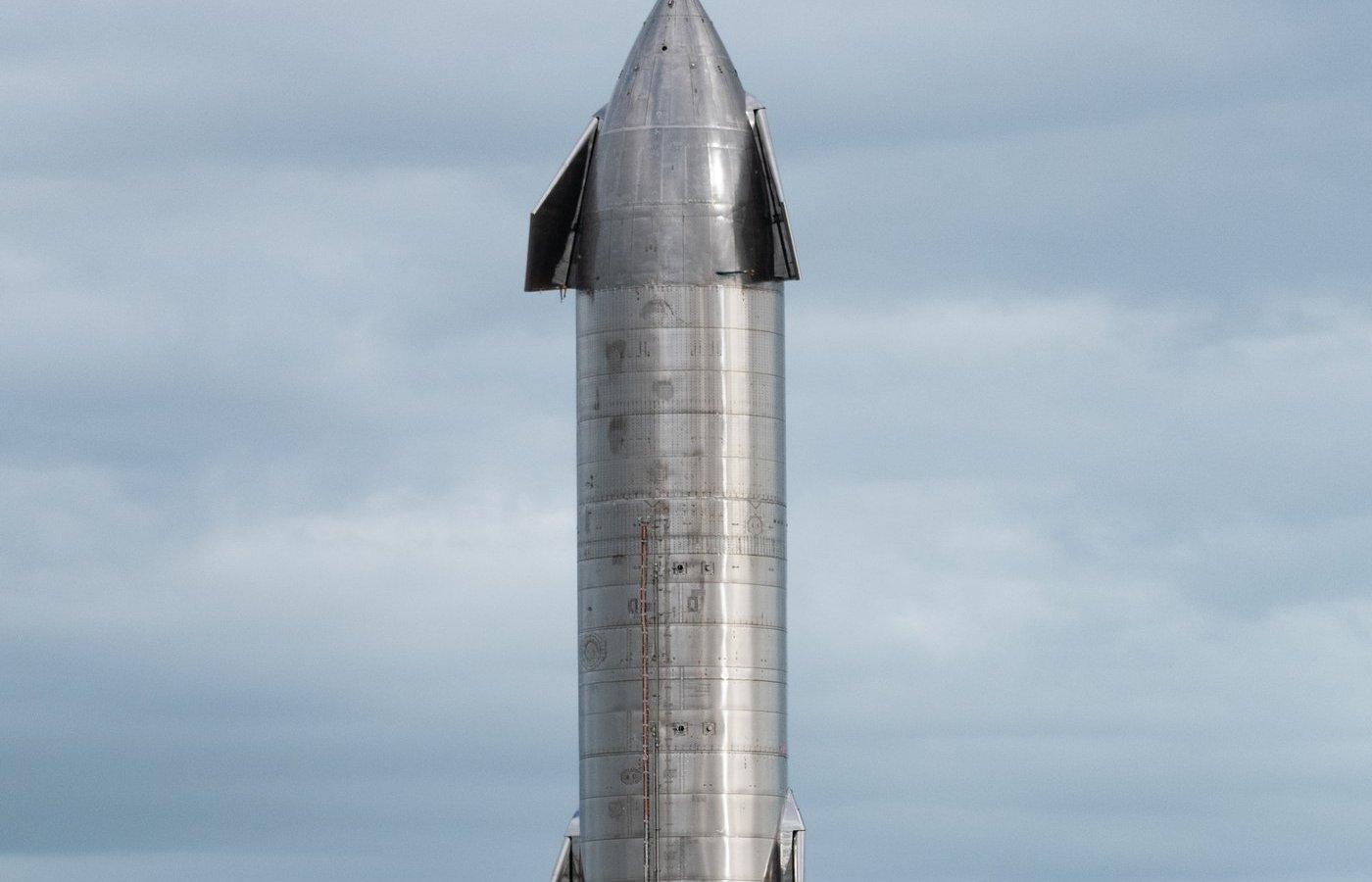
SpaceX Starship Flight 6 Achieves Daytime Ocean Splashdown as Trump and Musk Witness Boca Chica Liftoff Under Scrutinized FAA Regulations
SpaceX completed the sixth integrated flight test of its massive Starship launch vehicle from Starbase in Boca Chica, Texas, executing an in-space Raptor relight and a controlled Indian Ocean splashdown witnessed firsthand by President-elect Donald Trump.
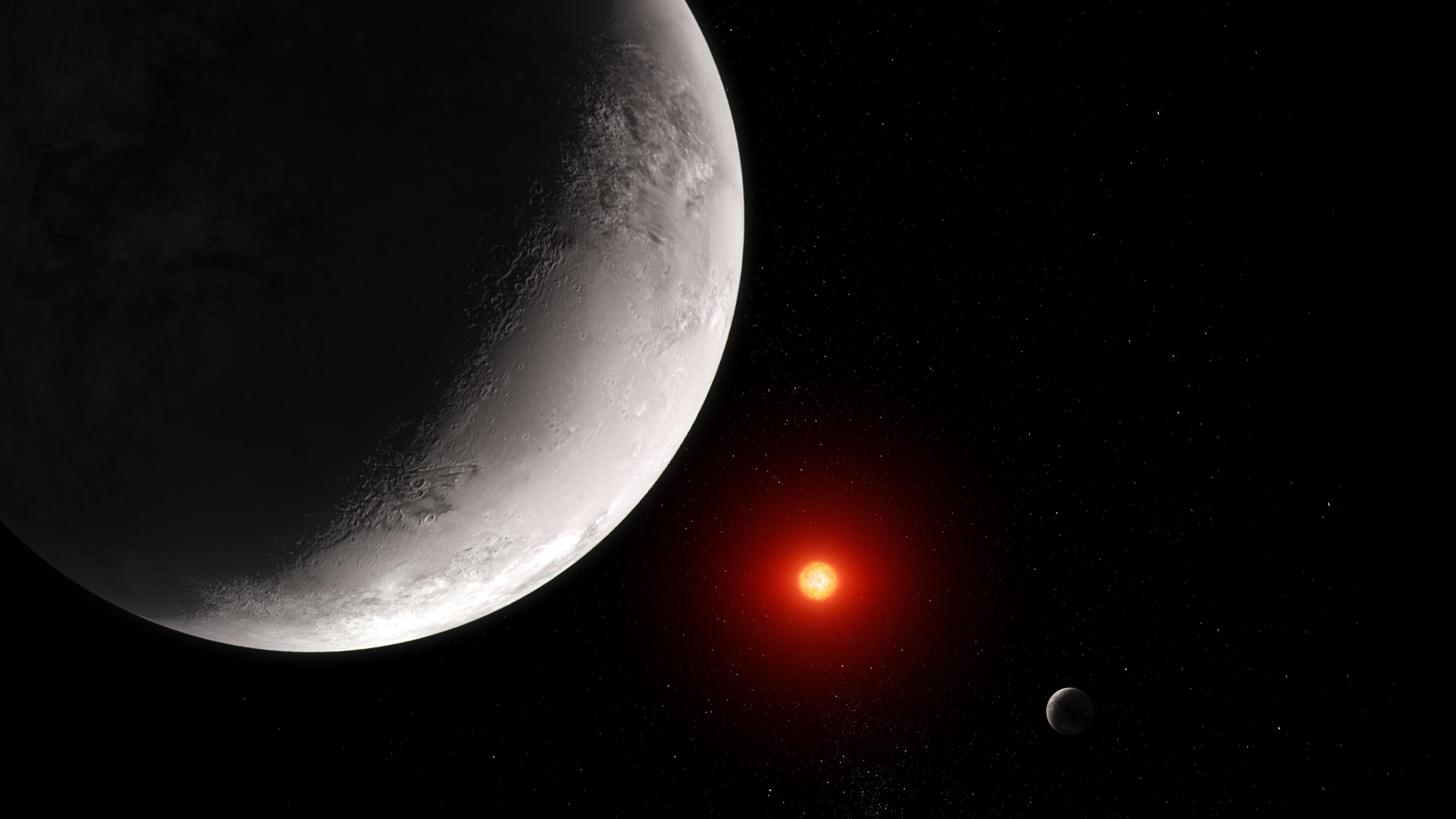
NASA Hubble and JWST Joint Initiative Unveils Atmospheric Data on Earth-Sized Rocky Exoplanets at STScI Summit
At the landmark Rocky Worlds Summit in Baltimore, NASA astrophysicists unveiled ground-breaking combined spectroscopic observations from Hubble and the James Webb Space Telescope, revealing unprecedented atmospheric profiles of terrestrial exoplanets orbiting nearby red dwarf stars.
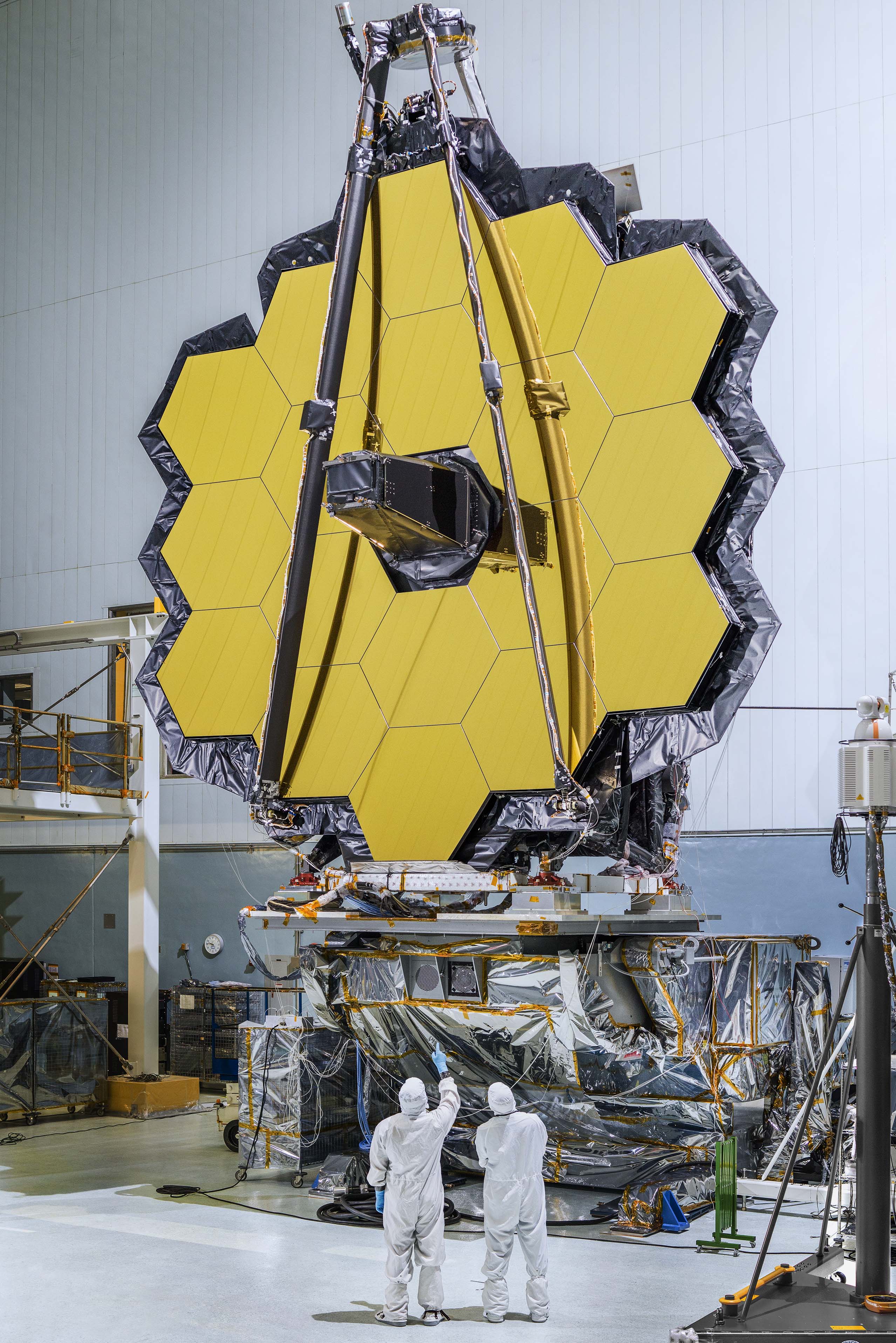
James Webb Space Telescope Discovers Earliest Quasar Pair Dating to Cosmic Dawn, Challenging Black Hole Formation Models
Astronomers utilizing the James Webb Space Telescope and Gemini North have unveiled the most ancient and closely bound pair of supermassive black hole quasars ever observed, dating back to just 900 million years after the Big Bang and upending standard cosmological timelines.