Trump Declares Military Conflict With Iran 'Effectively Over' Following High-Level Qatari Mediation in Washington
During a wide-ranging White House briefing, the president indicated that diplomatic engagements have paused kinetic operations, though defense forces remain deployed in full readiness.

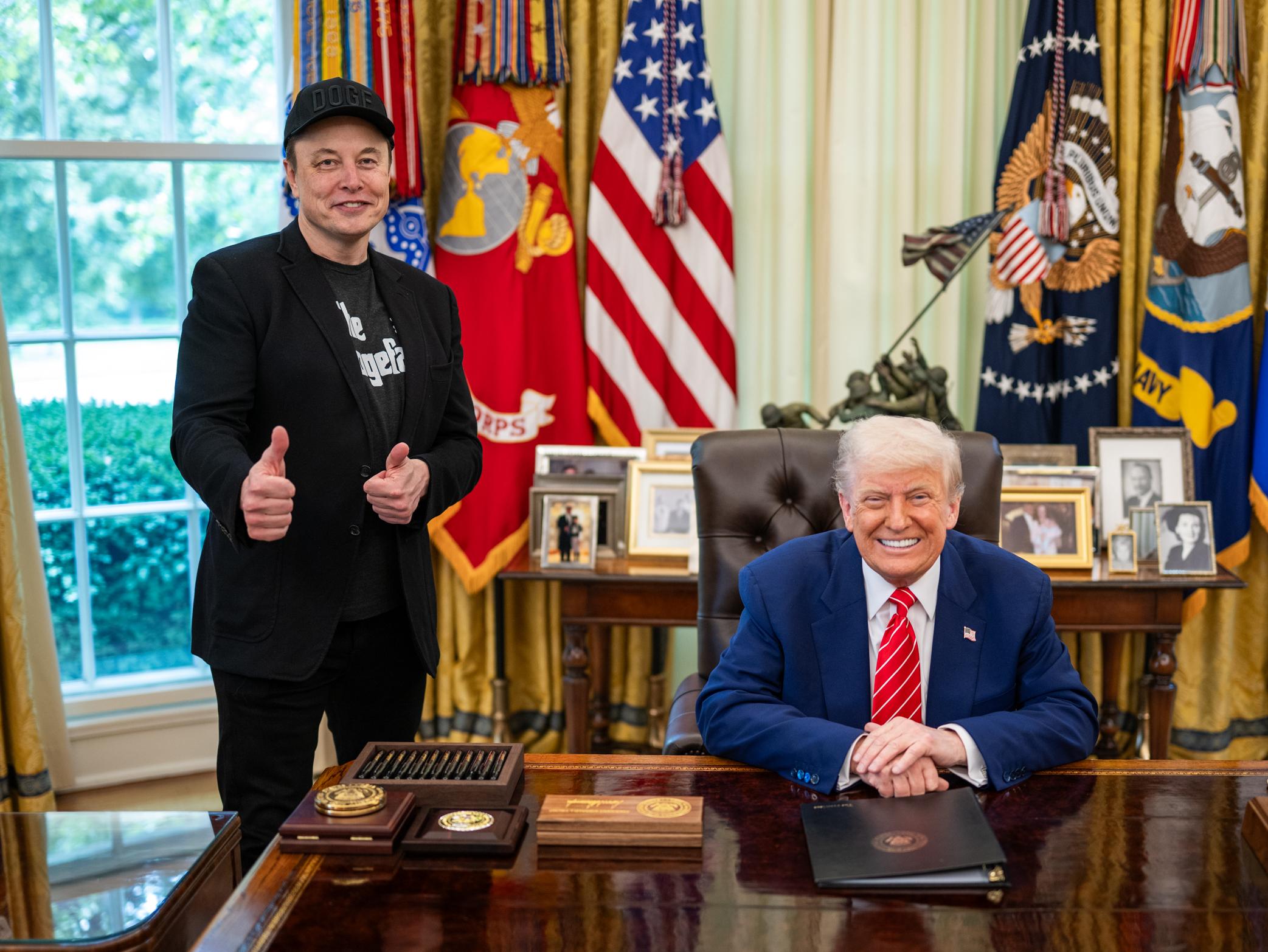
WASHINGTON — Speaking to reporters during an unscheduled mid-morning press availability in the White House briefing room, President Donald J. Trump stated that the acute military conflict between the United States and Iran has reached a decisive de-escalation, describing active kinetic strikes as 'militarily effectively over' at this juncture.
The unexpected pronouncement followed intense, closed-door negotiations on Monday between senior administration officials and the Prime Minister of Qatar, who traveled to Washington to present regional mediation terms. Trump emphasized that backchannel communications facilitated through Doha have established sufficient operational understanding to halt immediate retaliatory strikes against strategic energy and military targets.
However, the president balanced his conciliatory assessment with explicit military deterrence warnings, emphasizing that American naval carrier strike groups and aerial reconnaissance wings positioned in the Gulf region remain 'fully locked and loaded' should hostile actions resume against maritime transit or regional allies. Trump asserted that international maritime freedom through the Strait of Hormuz must be maintained unconditionally.
Diplomatic reactions among international allies were measured and cautious. Secretary of State Marco Rubio, speaking from Paris following G7 ministerial talks, noted that while a temporary lull in military engagements is welcome, deep structural disagreements regarding uranium enrichment limits and regional proxy armament remain unresolved, describing initial Iranian counter-proposals as insufficient.
In Tehran, security spokespersons pushed back against Washington's characterization, maintaining that long-term regional stability depends upon the permanent cessation of economic sanctions and formal non-aggression protocols. Despite the rhetorical sparring, diplomatic observers noted that the absence of fresh cross-border strikes over the past seventy-two hours represents the most promising de-escalation window in months.
Global diplomatic delegations are preparing for continued secondary talks in Geneva later this week, as international energy markets and regional civilian populations watch closely for tangible steps toward durable multilateral accords.
Related Coverage
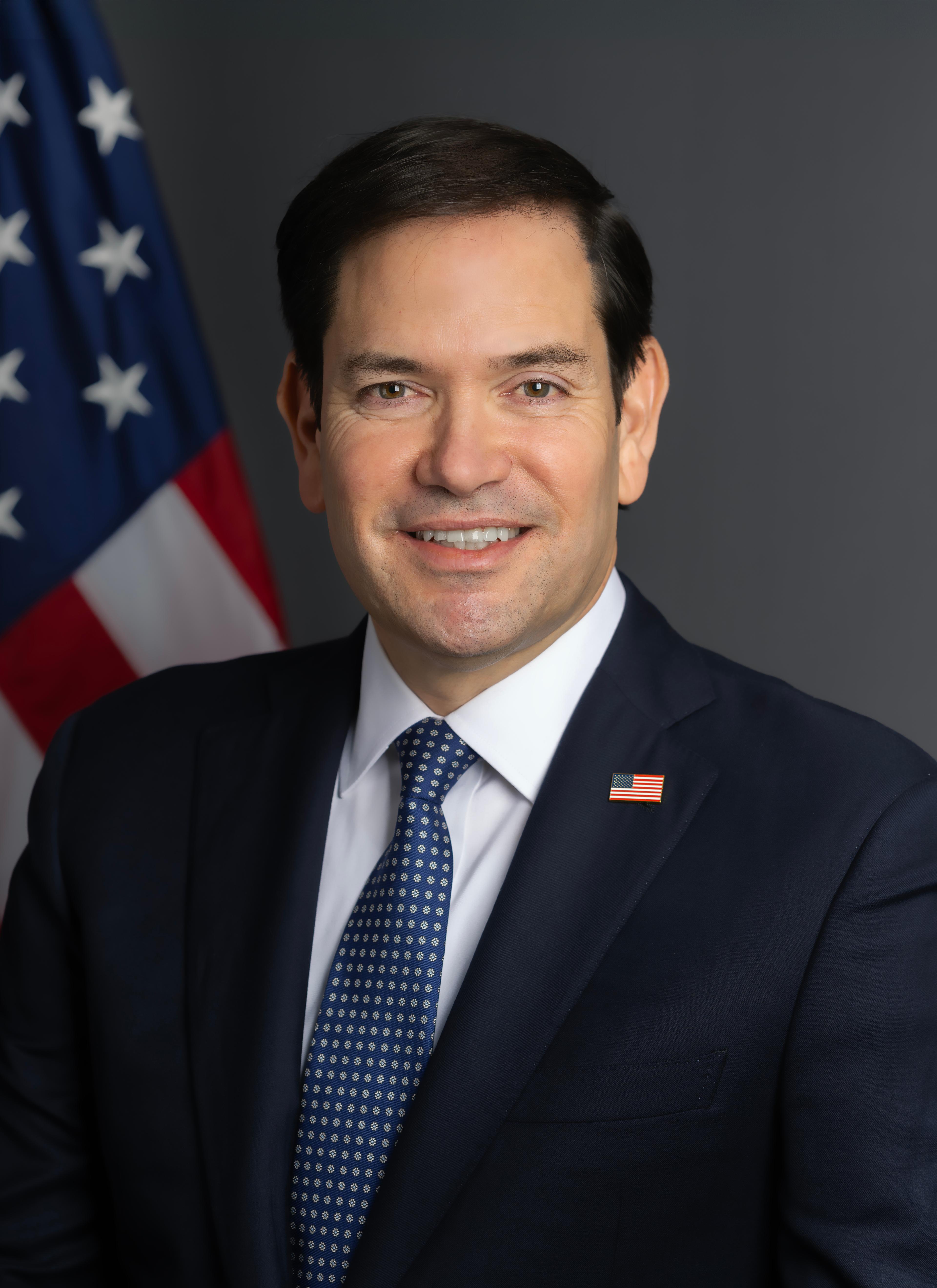
Secretary of State Marco Rubio Joins G7 Envoys in Paris for High-Stakes Summit on Middle East and Ukraine Security Architecture
Top diplomats from the Group of Seven gathered in the French capital to align multilateral foreign policy priorities, calibrating diplomatic pressure points and international deterrence strategies.

U.S. Military Conducts Limited Defensive Strikes in Strait of Hormuz as Diplomatic Talks Advance in Doha
American forces engaged coastal radar installations on Qeshm Island following an unprovoked firing incident on U.S. naval reconnaissance, while high-level backchannel talks continue in Qatar.

U.S. Navy Warship Arrives in Bangladesh for CARAT 2026 Maritime Security and Disaster Response Drills
The annual bilateral exercise in the Bay of Bengal focuses on combating illegal maritime trafficking, bolstering humanitarian disaster response, and ensuring free and open Indo-Pacific navigation.