SpaceX Reaches Historic 400th Successful Falcon 9 Mission with Starlink Deployment from Kennedy Space Center
Elon Musk's SpaceX achieves an extraordinary aerospace milestone, launching its 400th successful Falcon 9 orbital flight from Launch Complex 39A at NASA's Kennedy Space Center as reusable rocket technology transforms space access.

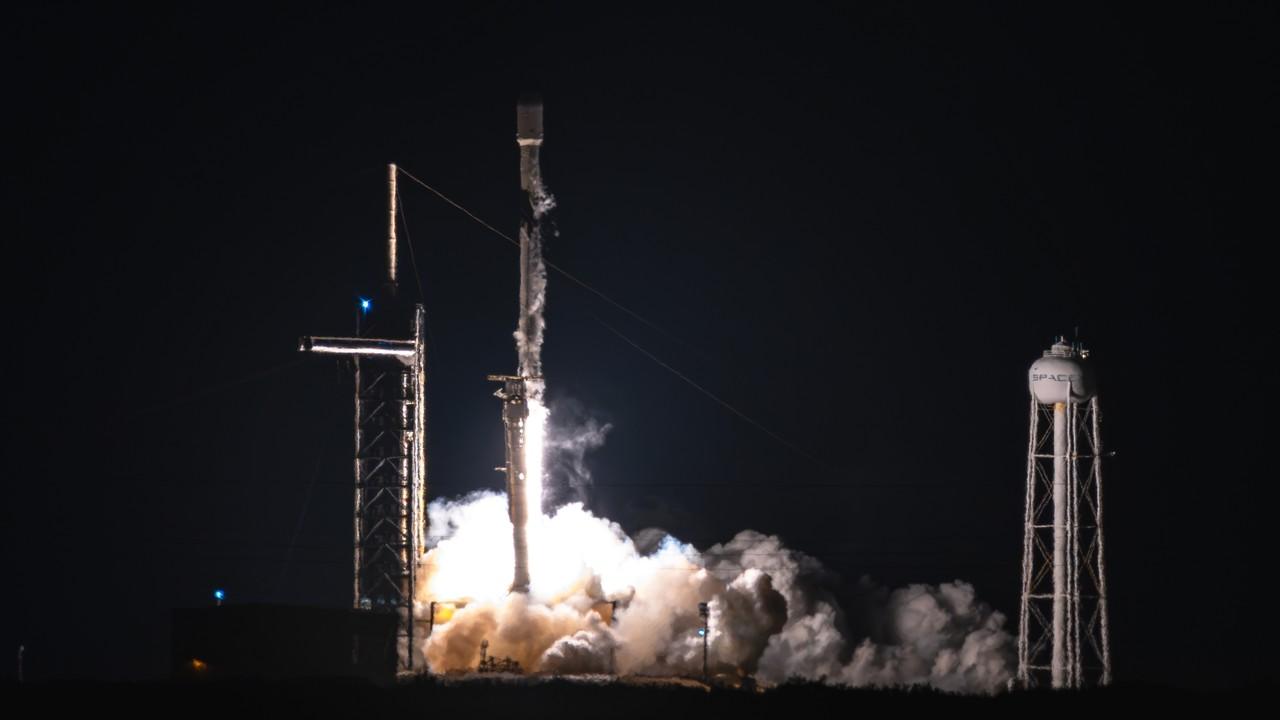
CAPE CANAVERAL, Fla. — SpaceX etched another monumental milestone into the annals of global space exploration, successfully launching its 400th operational Falcon 9 rocket from historic Launch Complex 39A at NASA's Kennedy Space Center, deploying a fresh batch of 24 Starlink broadband satellites into low Earth orbit.
The mission, designated Starlink 6-76, roared into the midnight skies above Florida's Space Coast powered by nine Merlin 1D engines generating 1.7 million pounds of thrust. The flight utilized first-stage booster B1078, which completed its 15th operational mission before executing a flawless hypersonic reentry and landing on the autonomous drone ship 'A Shortfall of Gravitas' stationed hundreds of miles offshore in the Atlantic Ocean.
The achievement of 400 successful Falcon 9 flights underscores an era of unprecedented launch reliability and cadence that has fundamentally transformed commercial and national security space operations. Since its maiden flight in June 2010, the Falcon 9 medium-lift vehicle has become the workhorse of American spaceflight, launching astronaut crews to the International Space Station, deploying classified national defense payloads, and constructing the world's largest commercial satellite internet constellation.
Remarkably, SpaceX has achieved a world-record booster turnaround and recovery rate, with individual boosters regularly logging upwards of twenty operational flights. In 2024 alone, SpaceX has conducted more than 120 orbital missions—accounting for roughly 80 percent of all payload mass launched to orbit globally—while maintaining a flawless launch safety record unmatched in modern aerospace history.
SpaceX engineers and mission controllers celebrated the 400-flight threshold as a foundational stepping stone toward deep-space human exploration. The operational flight telemetry gathered across hundreds of Falcon 9 missions directly informs the development of Starship, the fully reusable super-heavy launch system designed to return American astronauts to the Moon under NASA's Artemis program and ultimately establish human settlements on Mars.
Related Coverage
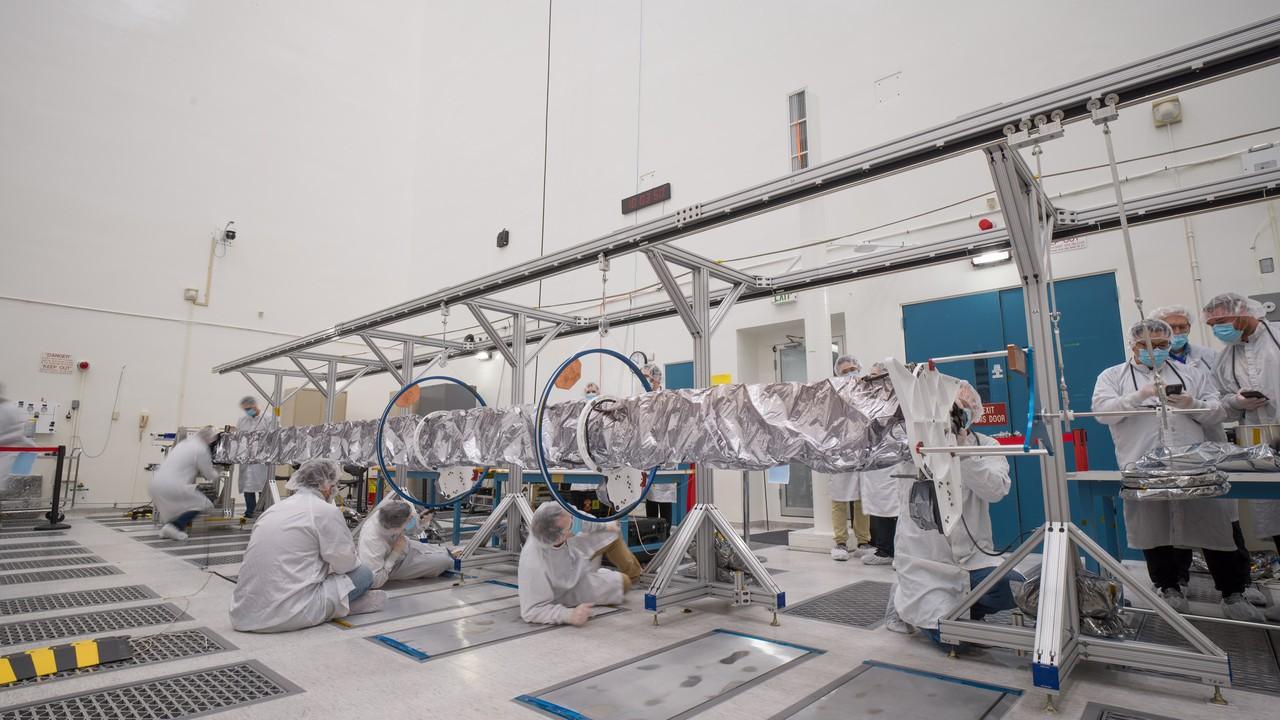
NASA's Europa Clipper Completes Initial Deep-Space Instrument Checkouts as 1.8-Billion-Mile Jovian Odyssey Progresses
Mission controllers at NASA's Jet Propulsion Laboratory confirm that Europa Clipper has successfully deployed its 28-foot magnetometer boom and begun primary instrument calibration en route to Jupiter's ocean world.
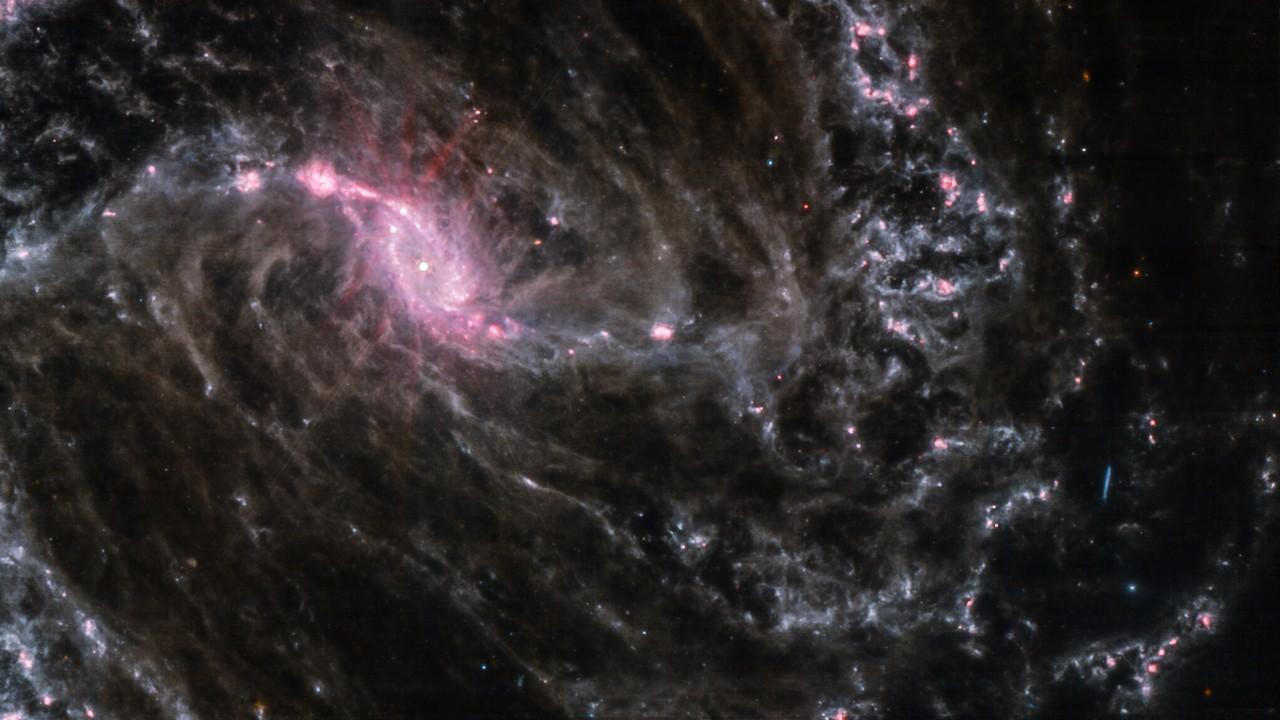
NASA's James Webb Space Telescope Uncovers New Inner Moon of Uranus and Captures High-Definition Infrared View of NGC 1365
Astrophysicists utilizing JWST's ultra-sensitive infrared cameras detect a previously hidden 29th moon orbiting Uranus and reveal unprecedented details of star-forming filaments feeding a supermassive black hole in galaxy NGC 1365.
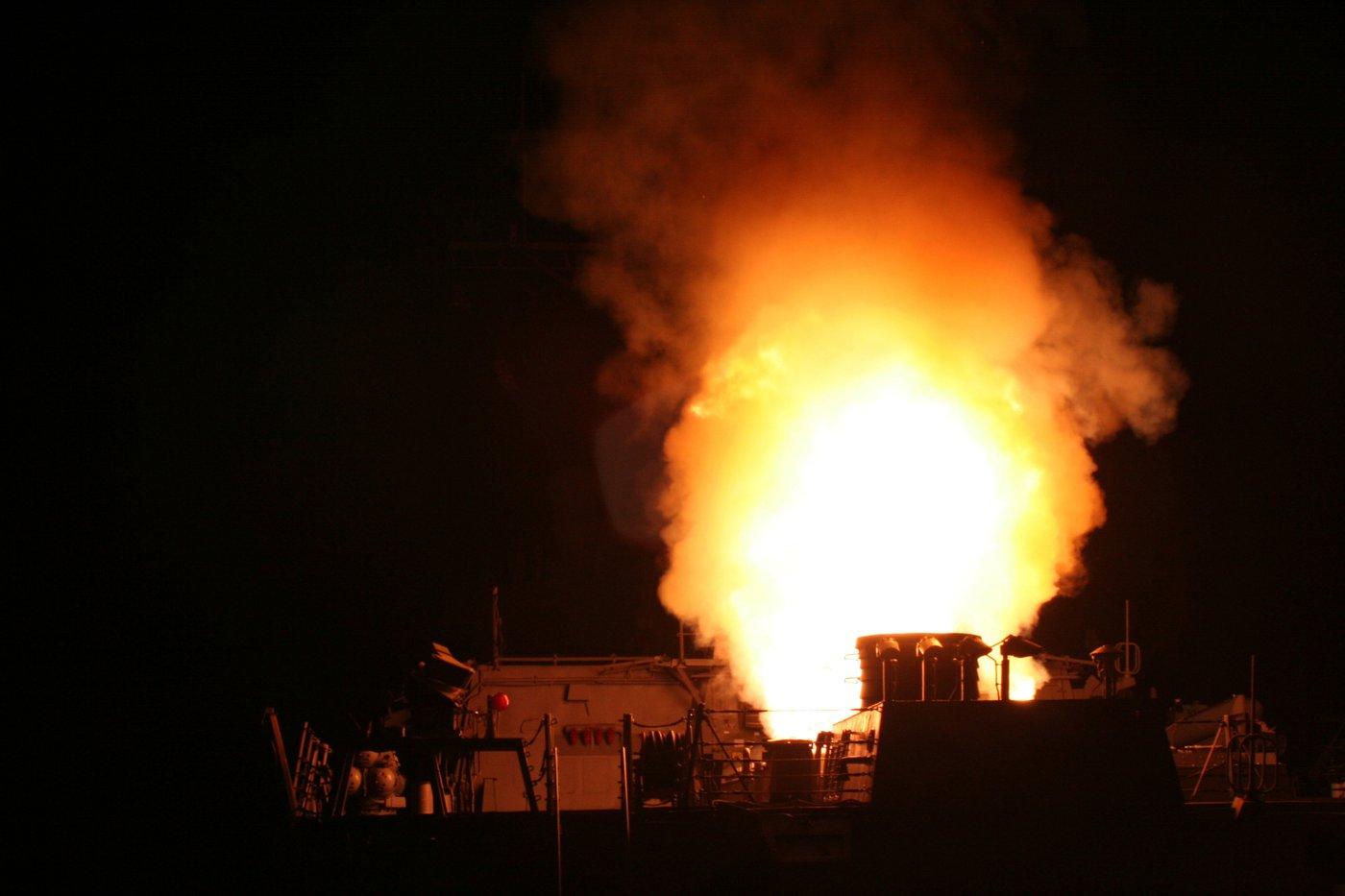
Russia Launches Experimental 'Oreshnik' Hypersonic Ballistic Missile at Mach 10 in Dnipro Strike, Prompting Emergency NATO Consultations
Russian forces conducted a combat test of an experimental intermediate-range ballistic missile dubbed 'Oreshnik', striking the Pivdenmash aerospace facility in Dnipro with Mach 10 multiple warheads in response to Western deep-strike permissions.