Trump Threatens 25 Percent Day-One Tariffs on Mexico and Canada and Extra 10 Percent on China, Shaking Currencies and Supply Chains
President-elect Donald Trump announces day-one executive orders to impose a sweeping 25 percent tariff on all imports from Mexico and Canada, alongside an extra 10 percent duty on Chinese goods, demanding emergency crackdowns on illicit border flows and fentanyl.

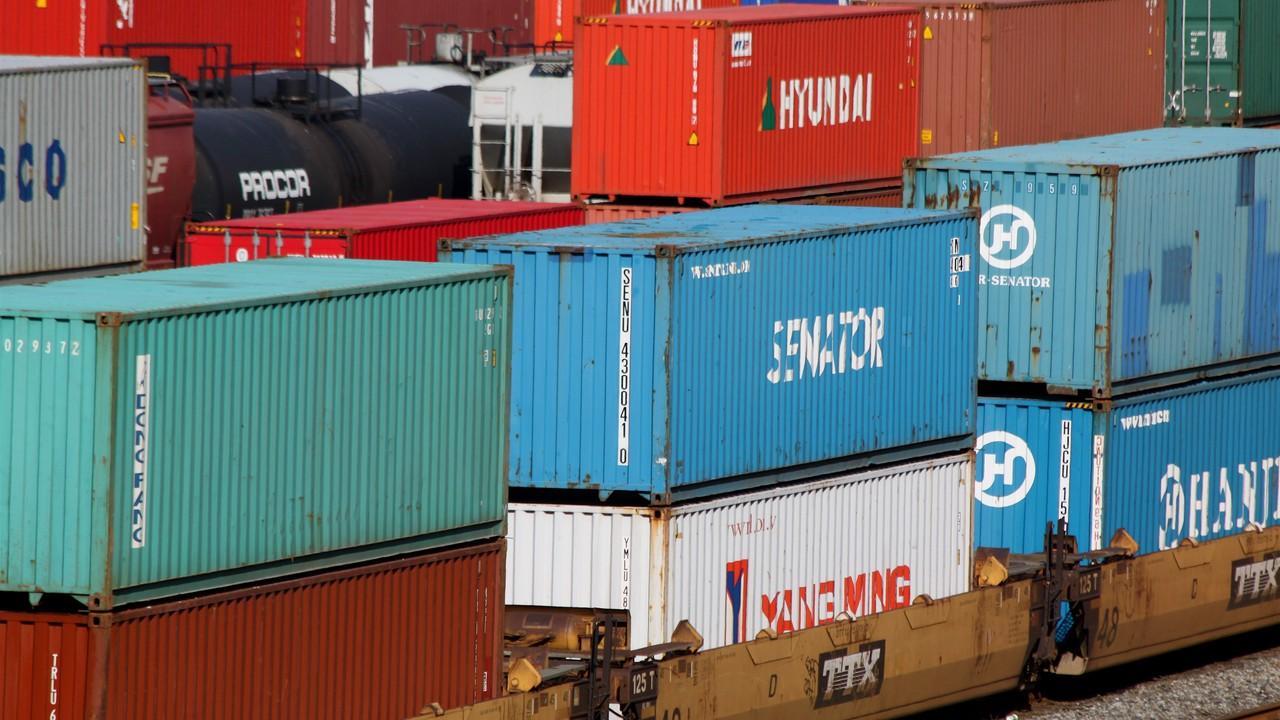
PALM BEACH, Fla. — President-elect Donald Trump sent shockwaves through international diplomatic corridors and global financial markets by announcing that on his first day in office, he will sign executive orders imposing a sweeping 25 percent tariff on all imported goods from Mexico and Canada, alongside an additional 10 percent punitive duty on all products originating from China.
Posting to his Truth Social platform, Trump tied the trade measures directly to non-commercial national security concerns, asserting that the tariffs will remain in effect until Mexican and Canadian authorities successfully halt the flow of illegal migration and synthetic narcotics across the United States borders. 'As one of my very first Executive Orders, I will sign all necessary documents to charge Mexico and Canada a 25% Tariff on ALL products coming into the United States, and its ridiculous Open Borders,' Trump wrote, specifically decrying the catastrophic public health toll of illicit fentanyl.
The announcement prompted immediate turmoil across foreign currency markets. The Mexican peso tumbled more than 2 percent against the U.S. dollar to trade at its weakest levels in over two years, while the Canadian dollar dropped to a four-year low against the greenback. The prospect of broad tariffs targeting America's two largest trading partners threatens to upend the United States-Mexico-Canada Agreement (USMCA), which was negotiated and signed during Trump's first administration to guarantee duty-free trade across the integrated North American commercial zone.
Corporate executives, automotive manufacturers, and retail supply chain operators voiced deep alarm over the potential economic fallout, warning that a blanket 25 percent levy would instantly disrupt highly coordinated cross-border assembly networks where vehicle parts routinely traverse international borders multiple times before final assembly. Economists warned that the tariffs, if enacted without exemptions, could reignite domestic inflation by raising consumer prices on imported oil, agricultural produce, electronics, and manufactured vehicles.
Political leaders in Ottawa, Mexico City, and Beijing responded with urgent diplomatic messaging. Canadian provincial premiers called for emergency strategy summits with Prime Minister Justin Trudeau to protect bilateral energy and trade integration, while Mexican economic officials warned that retaliatory measures would harm consumers on both sides of the Rio Grande. Chinese diplomatic spokespersons reiterated that 'nobody will win a trade war,' as global markets brace for an aggressive renegotiation of worldwide trade pacts.
Related Coverage
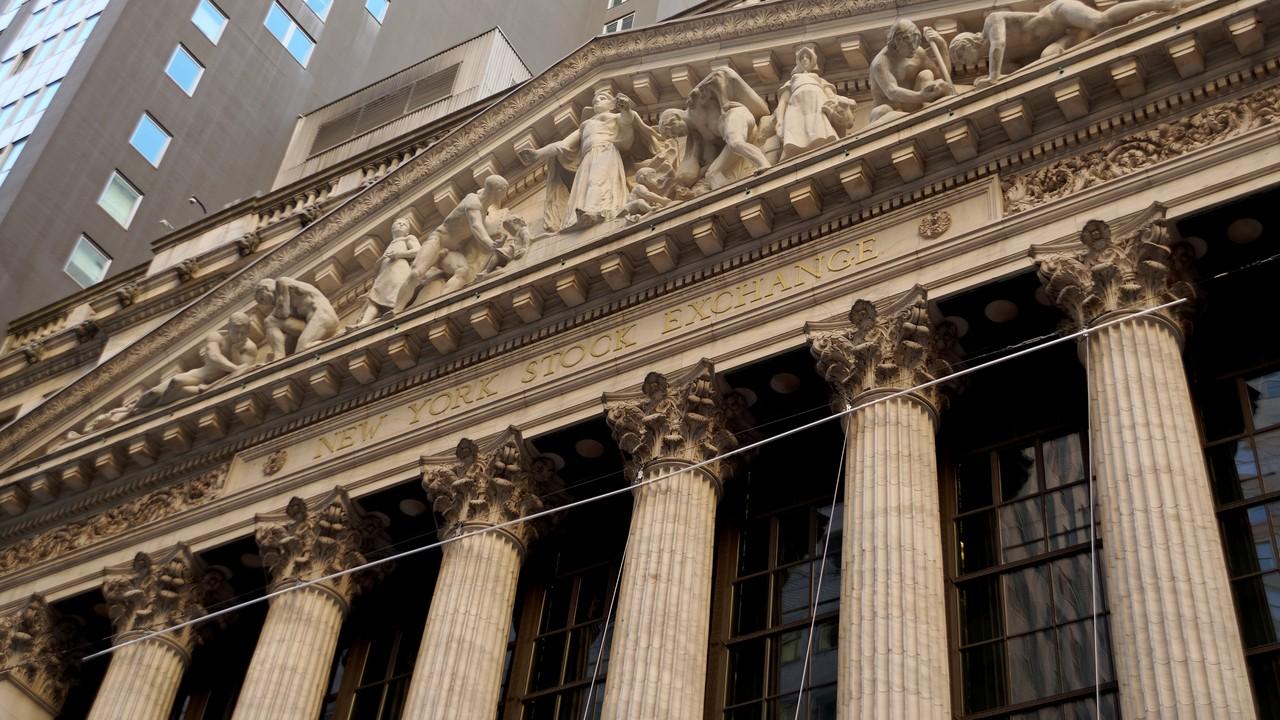
Wall Street Rallies as Dow Futures Surge and Treasury Yields Tumble Following Scott Bessent’s Treasury Nomination
Financial markets across the globe surged as benchmark 10-year Treasury yields fell and Dow futures gained over 300 points, buoyed by investor relief over Scott Bessent's market-friendly economic stewardship.
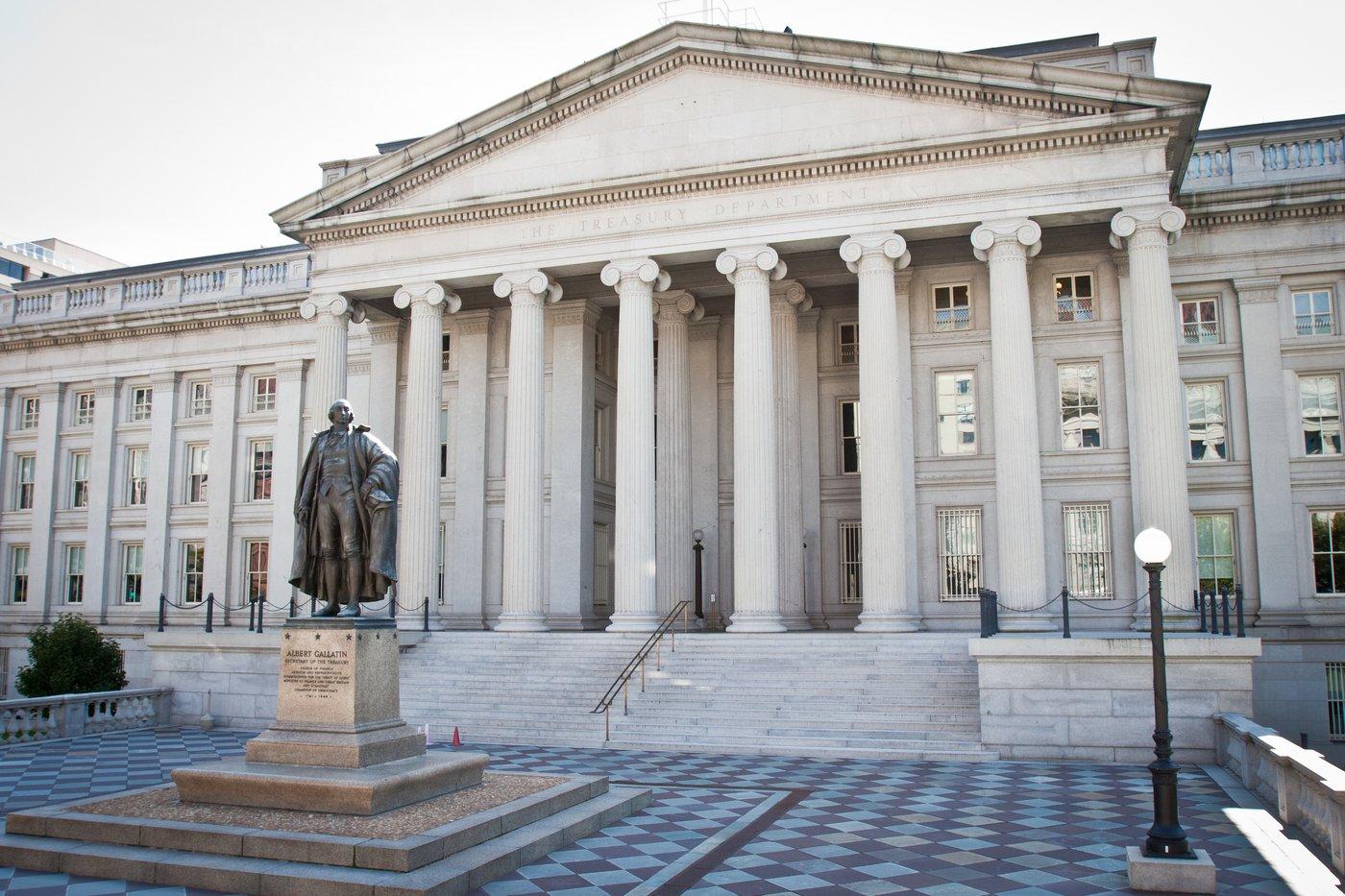
US Treasury Slams Gazprombank and 50 Russian Financial Institutions with Sweeping Sanctions, Severing Moscow's European Energy Pipeline
The Biden administration enacted its most aggressive financial blockade of the war, imposing full blocking sanctions on Gazprombank and over 50 Russian internationally connected lenders to choke off Moscow's billions in energy revenues.

Gautam Adani Indicted in US Federal Court in Brooklyn Over Alleged $250 Million Bribery Scheme for Solar Energy Contracts
Federal prosecutors in New York unsealed an indictment charging Indian industrialist Gautam Adani and seven senior corporate executives with paying over $250 million in bribes to Indian government officials to secure lucrative solar power contracts while defrauding US investors.