James Webb Space Telescope Discovers Earliest Quasar Pair Dating to Cosmic Dawn, Challenging Black Hole Formation Models
Astronomers utilizing the James Webb Space Telescope and Gemini North have unveiled the most ancient and closely bound pair of supermassive black hole quasars ever observed, dating back to just 900 million years after the Big Bang and upending standard cosmological timelines.

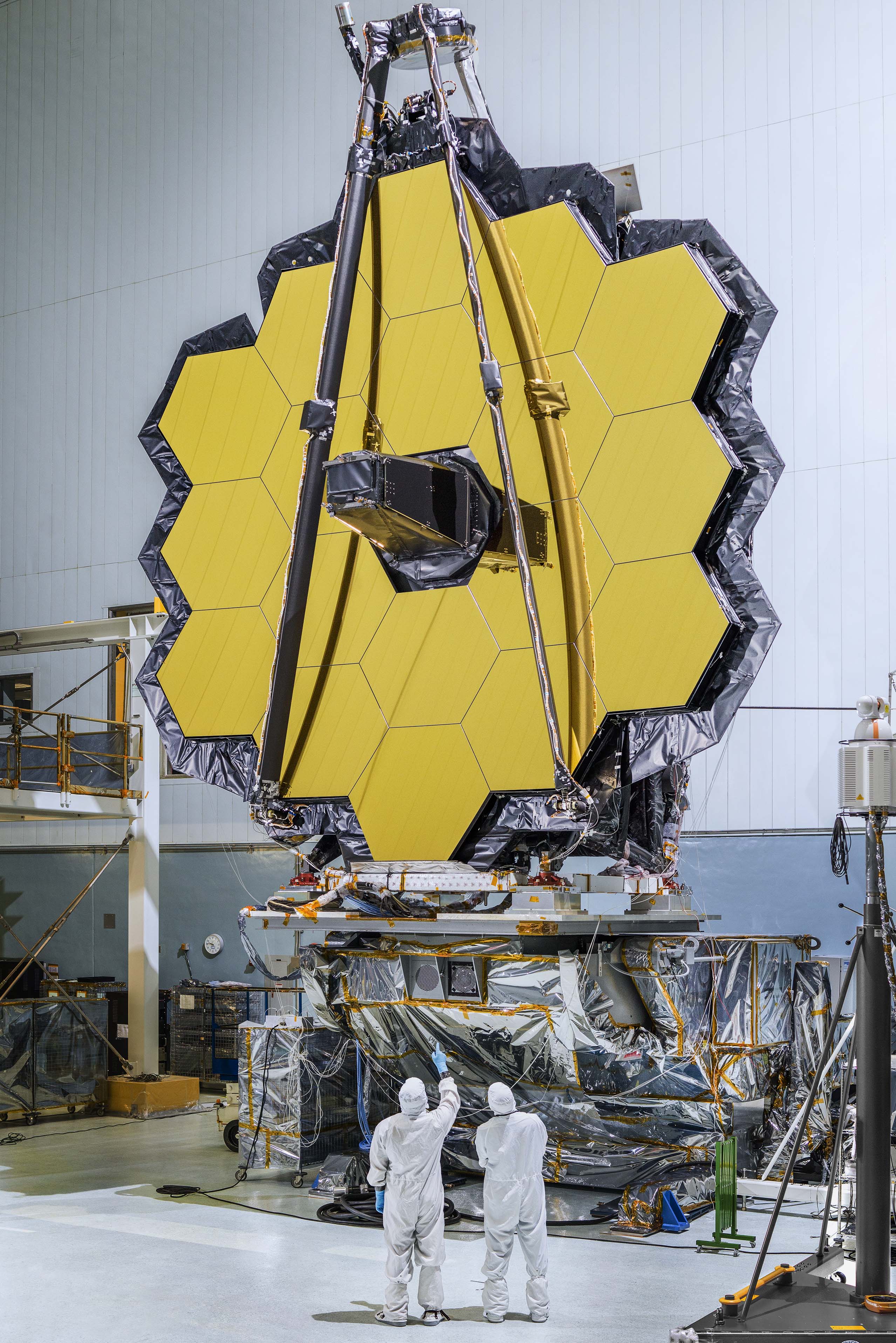
BALTIMORE — Piercing through the deepest cosmic horizons of the infant universe, an international team of astrophysicists utilizing the James Webb Space Telescope (JWST) in coordination with the Gemini North observatory has discovered the most distant and tightly orbiting pair of supermassive black hole quasars ever recorded. Designated J1602+4228AB and given the Hawaiian designation Nāpōwawāʻenakaulua, the colossal binary system existed roughly 900 million years after the Big Bang, during the critical epoch of cosmic reionization.
The discovery, published Tuesday in the Astrophysical Journal and detailed during a NASA Goddard astrophysics briefing, presents a profound challenge to established cosmological models of early galactic evolution. The primary quasar harbors a supermassive black hole with an estimated mass of 1.5 billion solar masses, while its companion black hole boasts a mass exceeding 400 million suns. The two giants are separated by an astronomical distance of only 18,100 light-years—a remarkably tight orbital proximity for such immense structures at cosmic dawn.
Under prevailing astrophysical theories, supermassive black holes grow gradually over billions of years by accreting surrounding interstellar gas and merging with other black holes through successive galactic collisions. The existence of two fully formed, multi-hundred-million-solar-mass black holes locked in an active merger phase less than a billion years after the birth of the universe strains standard accretion physics, suggesting that primordial black holes may have originated from the direct gravitational collapse of colossal gas clouds rather than stellar-mass progenitors.
'Finding a single billion-solar-mass black hole in the early universe was already an enigma for theoretical astrophysics, but discovering an interacting pair separated by less than twenty thousand light-years is simply astonishing,' explained Dr. Yoshiki Matsuoka, lead author and research astronomer. 'JWST's Near-Infrared Spectrograph (NIRSpec) allowed us to isolate the distinct spectral signatures of both galactic nuclei, confirming that they are undergoing an intensely violent, synchronous feeding frenzy as their host galaxies merge.'
NASA officials noted that ongoing spectroscopic campaigns with JWST will target surrounding gas kinematics to determine whether feedback from the dual quasars is accelerating or shutting down star formation within the nascent host galaxies. The findings provide unprecedented empirical data that will reshape supercomputer simulations of how the very first supermassive black holes and giant elliptical galaxies coalesced from the primordial void.
Related Coverage
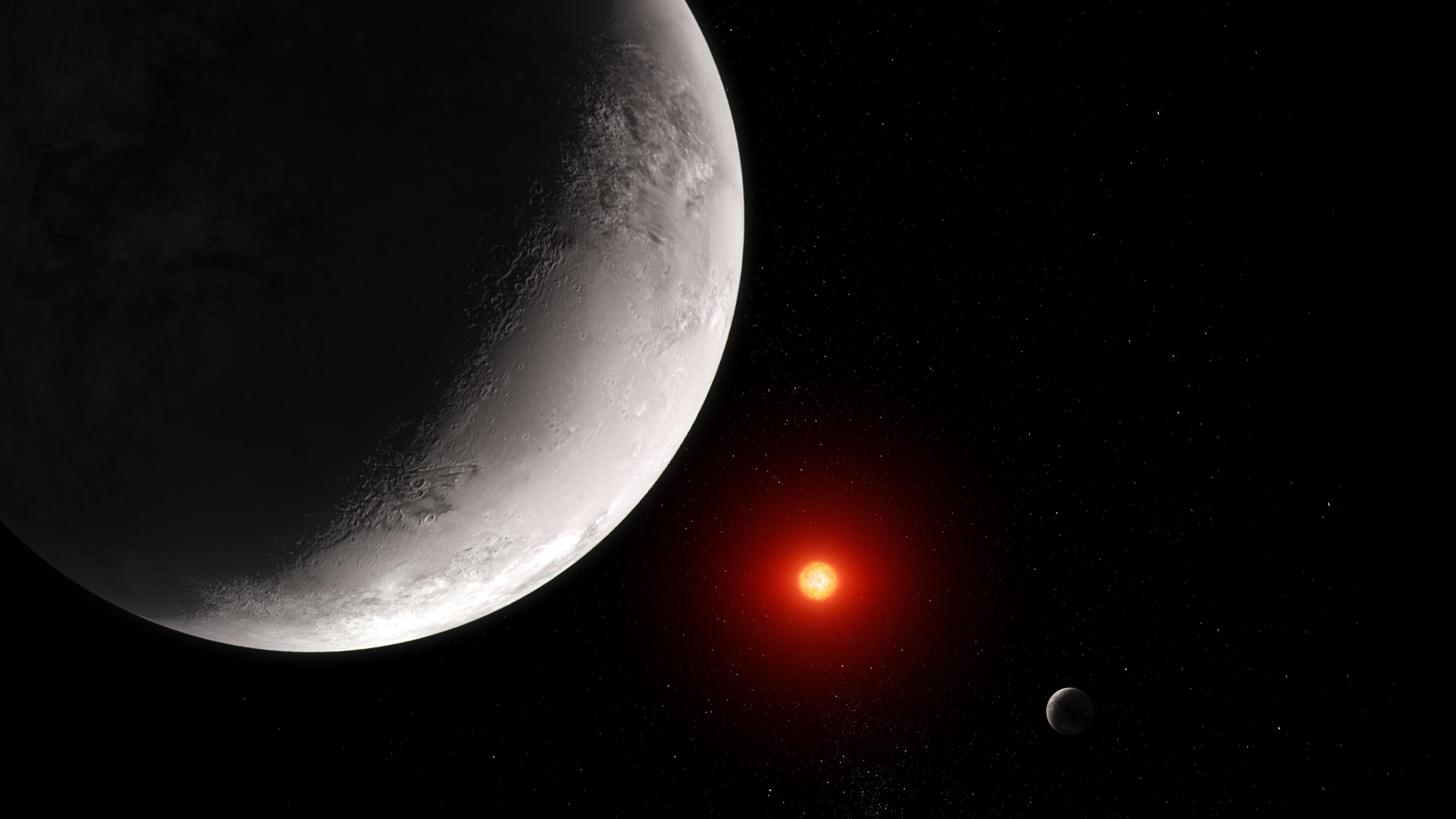
NASA Hubble and JWST Joint Initiative Unveils Atmospheric Data on Earth-Sized Rocky Exoplanets at STScI Summit
At the landmark Rocky Worlds Summit in Baltimore, NASA astrophysicists unveiled ground-breaking combined spectroscopic observations from Hubble and the James Webb Space Telescope, revealing unprecedented atmospheric profiles of terrestrial exoplanets orbiting nearby red dwarf stars.
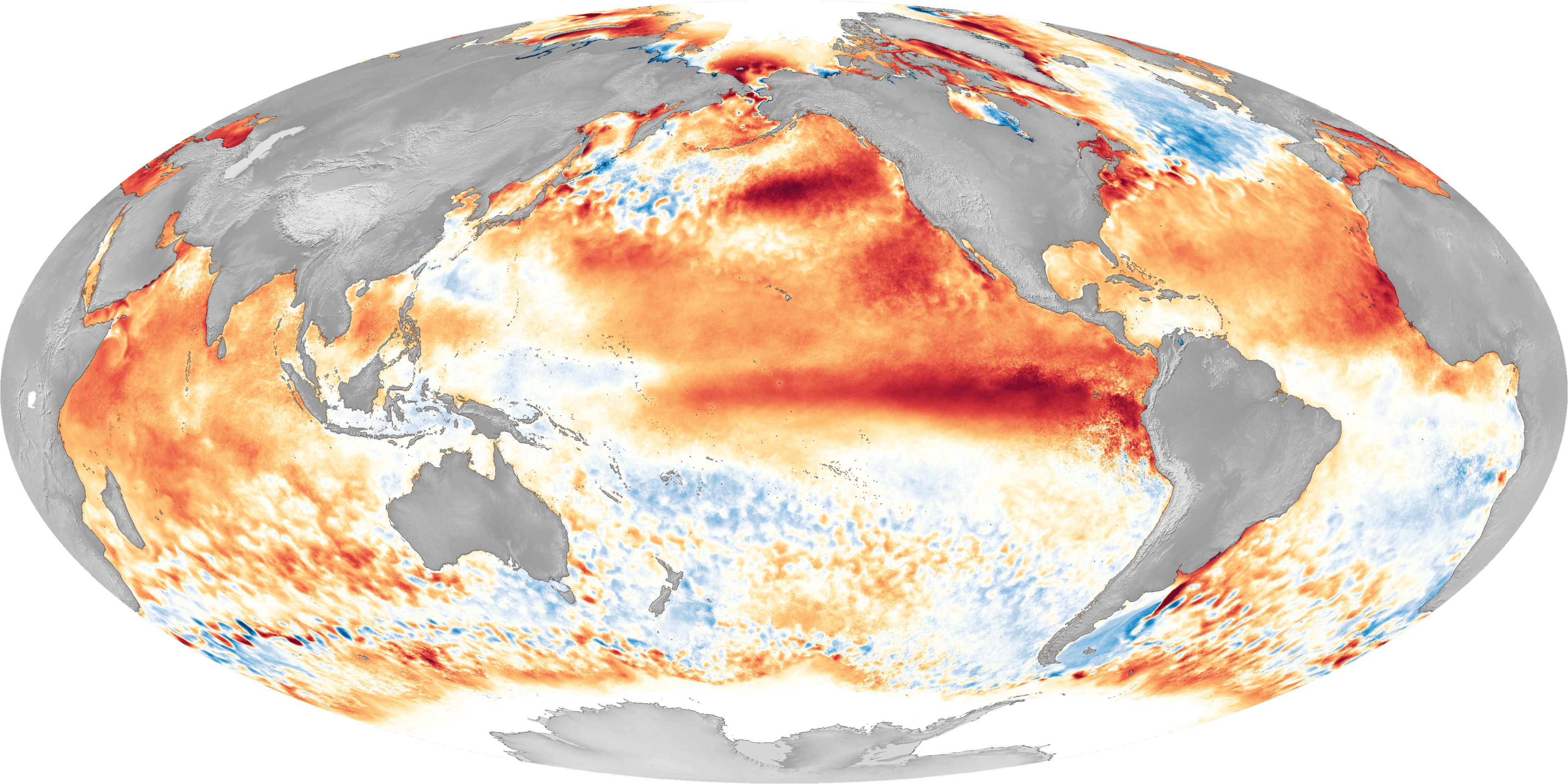
NASA Satellite Altimetry Confirms Intensifying 2026 'Super El Niño' Rivaling Historic 1997 Oceanic Heat Anomalies
Drawing on 35 years of continuous satellite ocean altimetry records, NASA Earth Observatory scientists issued a major global climate alert on Monday confirming that equatorial Pacific sea surface heights and thermal content have surged into rare 'Super El Niño' territory, portending severe winter weather extremes across North America.
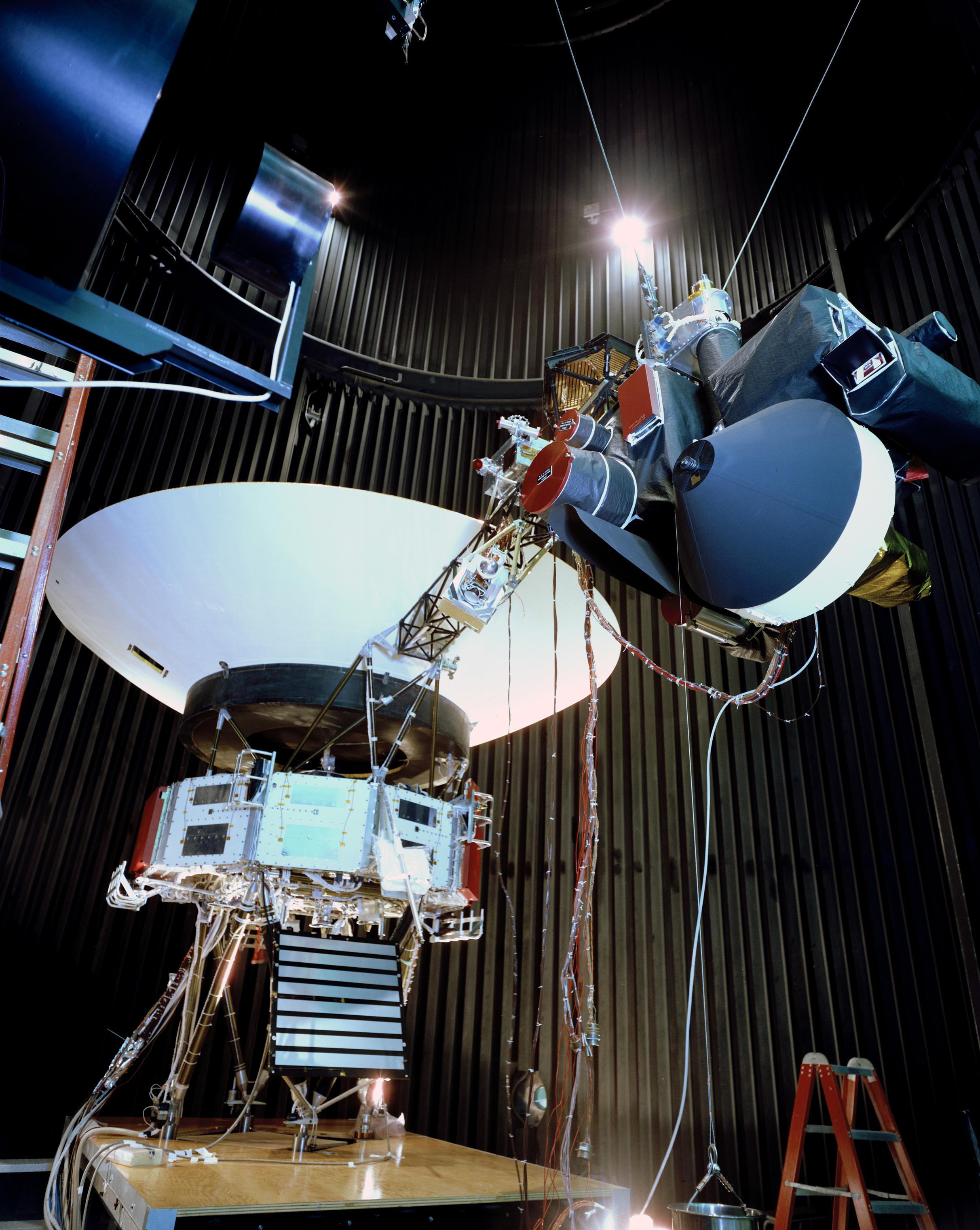
NASA Launches Global Countdown to Voyager 1’s Historic ‘One Light-Day’ Milestone From Earth
NASA announced worldwide celebrations as interstellar probe Voyager 1 nears 16.1 billion miles from Earth, while the Chandra X-ray Observatory uncovers a secret companion star driving violent deep-space eruptions.