NASA Hubble and JWST Joint Initiative Unveils Atmospheric Data on Earth-Sized Rocky Exoplanets at STScI Summit
At the landmark Rocky Worlds Summit in Baltimore, NASA astrophysicists unveiled ground-breaking combined spectroscopic observations from Hubble and the James Webb Space Telescope, revealing unprecedented atmospheric profiles of terrestrial exoplanets orbiting nearby red dwarf stars.

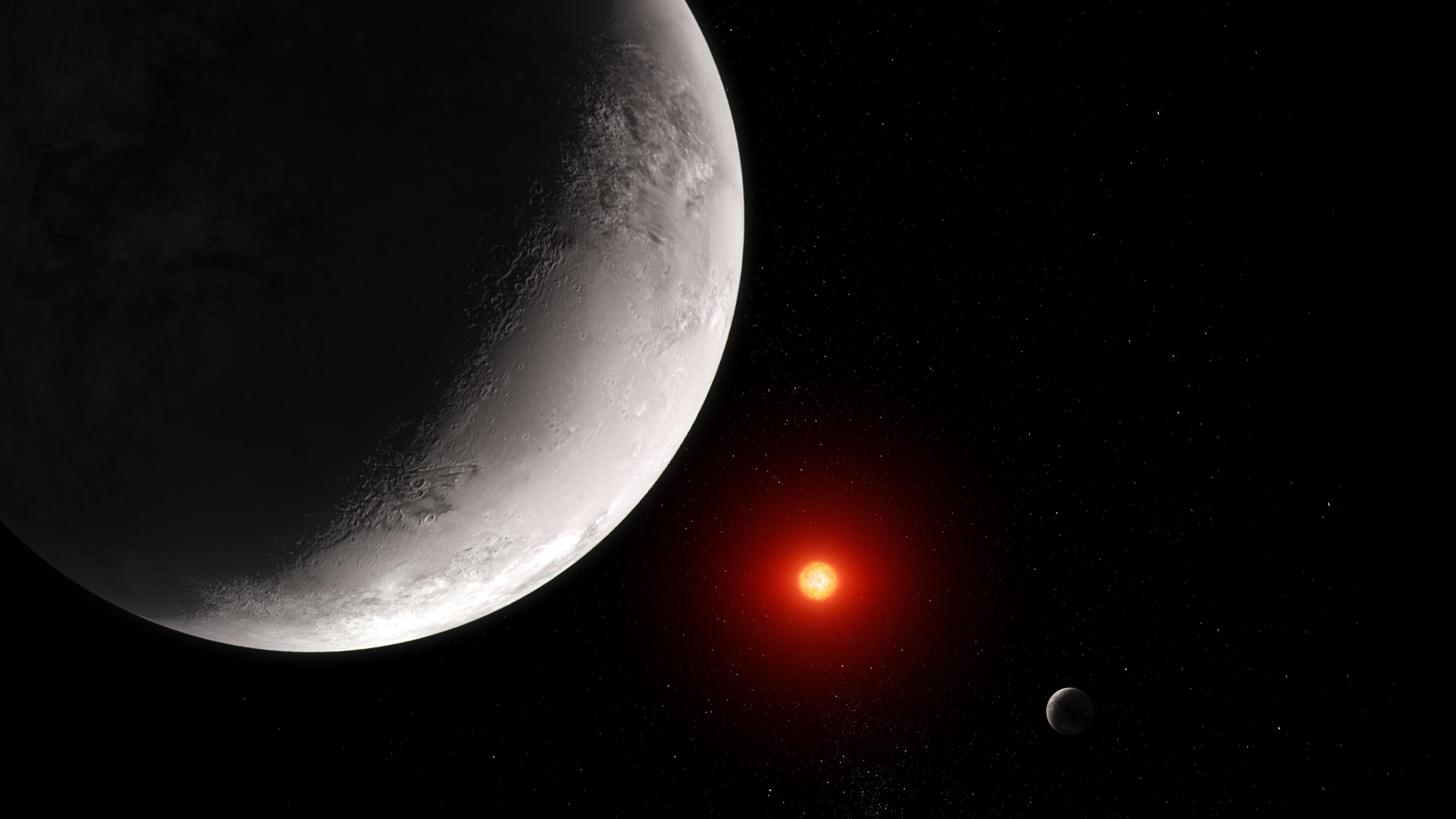
BALTIMORE — In one of the most eagerly anticipated scientific gatherings in modern observational astrophysics, researchers attending the Space Telescope Science Institute (STScI) Rocky Worlds Summit on Wednesday presented unprecedented atmospheric measurements of Earth-sized exoplanets located within our stellar neighborhood. Synthesizing hundreds of hours of high-precision spectroscopic transit data collected jointly by the James Webb Space Telescope and the venerable Hubble Space Telescope, astronomers revealed the clearest evidence to date regarding secondary atmospheres surrounding terrestrial worlds orbiting M-dwarf red stars.
The presentations focused heavily on the TRAPPIST-1 planetary system, situated roughly 39 light-years from Earth in the constellation Aquarius. Using Webb's Mid-Infrared Instrument (MIRI) and Hubble's Wide Field Camera 3, researchers analyzed transmission spectra and secondary eclipse thermal emissions from TRAPPIST-1 c, d, and e. While previous models debated whether intense stellar flare activity from young red dwarf stars completely stripped volatile gases from terrestrial surfaces, the newly calibrated data suggests the presence of substantial, dense secondary atmospheres dominated by carbon dioxide and nitrogen.
'For decades, the fundamental question in exoplanet habitability was whether rocky planets in the habitable zones of M-dwarf stars could retain their atmospheres against extreme ultraviolet radiation,' explained Dr. Elena Vance, principal investigator for the Rocky Worlds Director's Discretionary Time program. 'What Webb and Hubble have achieved together is monumental. We are no longer merely confirming the existence of rocky planets; we are actively measuring their atmospheric densities, identifying molecular compositions, and constraining their surface pressures.'
The scientific teams also presented groundbreaking validation of computational 'digital twin' modeling algorithms. By constructing a bit-perfect optical physics simulation of JWST's primary mirror geometry, astrophysicists were able to algorithmically subtract stellar glare with fifteen-fold greater precision, exposing faint thermal emissions from planetary atmospheres that had previously been obscured by instrumental noise.
NASA Associate Administrator for the Science Mission Directorate Dr. Nicola Fox hailed the findings as a profound stride toward discovering potentially habitable environments beyond our solar system. The symposium concluded with STScI announcing an expanded Cycle 6 observational campaign dedicated to searching for trace biosignature gases—such as methane, ozone, and water vapor—across five prime terrestrial candidates over the next two years.
Related Coverage
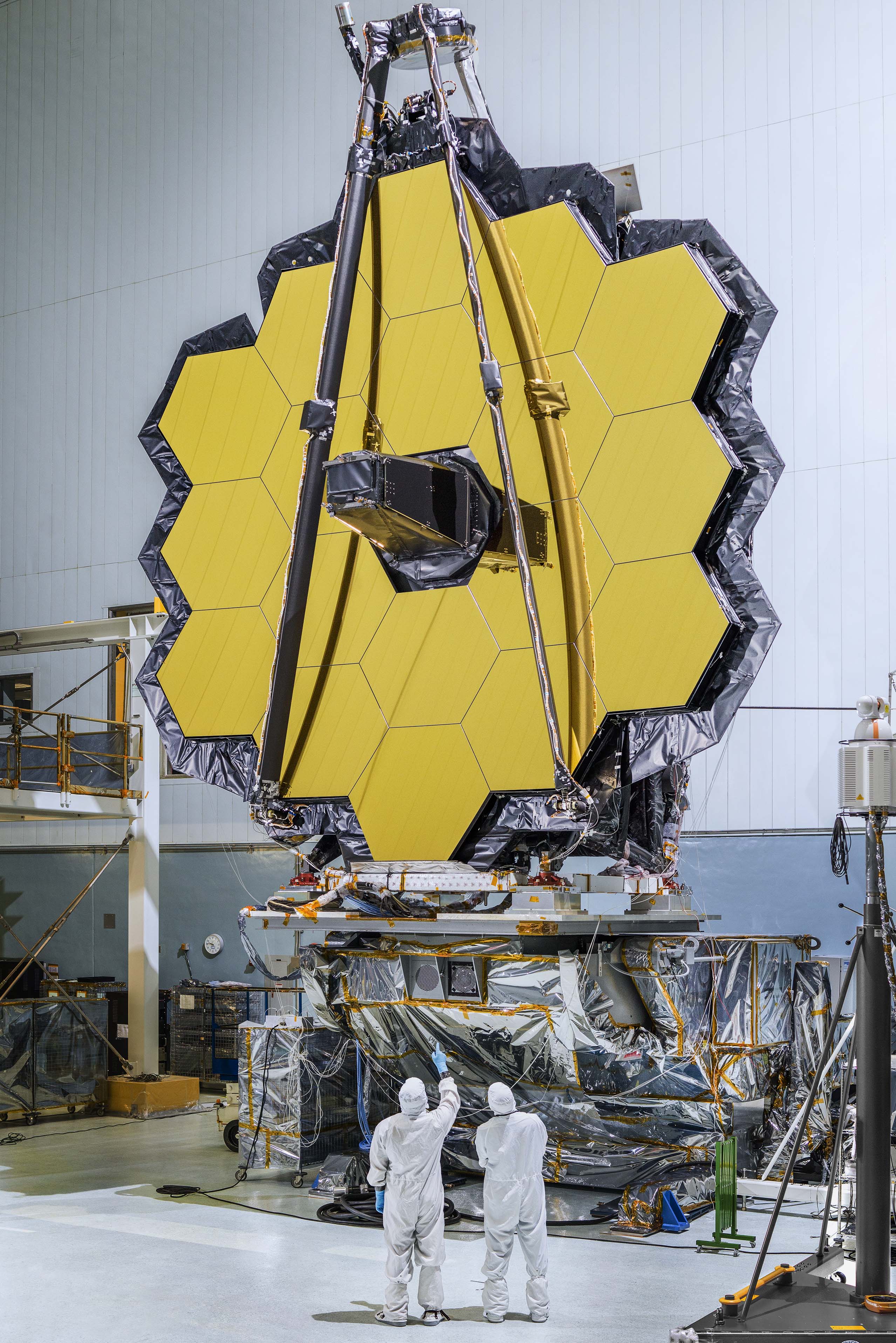
James Webb Space Telescope Discovers Earliest Quasar Pair Dating to Cosmic Dawn, Challenging Black Hole Formation Models
Astronomers utilizing the James Webb Space Telescope and Gemini North have unveiled the most ancient and closely bound pair of supermassive black hole quasars ever observed, dating back to just 900 million years after the Big Bang and upending standard cosmological timelines.
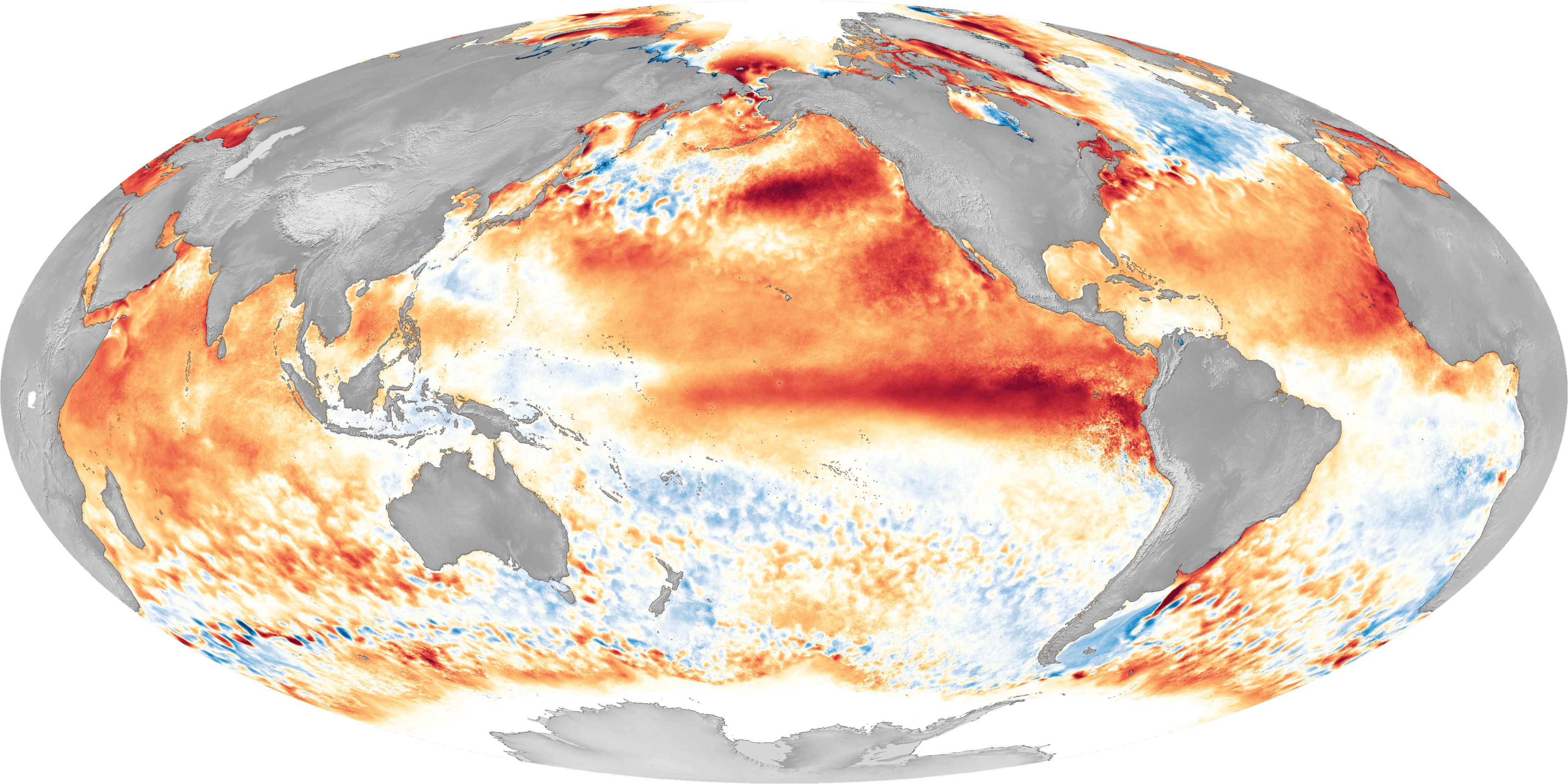
NASA Satellite Altimetry Confirms Intensifying 2026 'Super El Niño' Rivaling Historic 1997 Oceanic Heat Anomalies
Drawing on 35 years of continuous satellite ocean altimetry records, NASA Earth Observatory scientists issued a major global climate alert on Monday confirming that equatorial Pacific sea surface heights and thermal content have surged into rare 'Super El Niño' territory, portending severe winter weather extremes across North America.
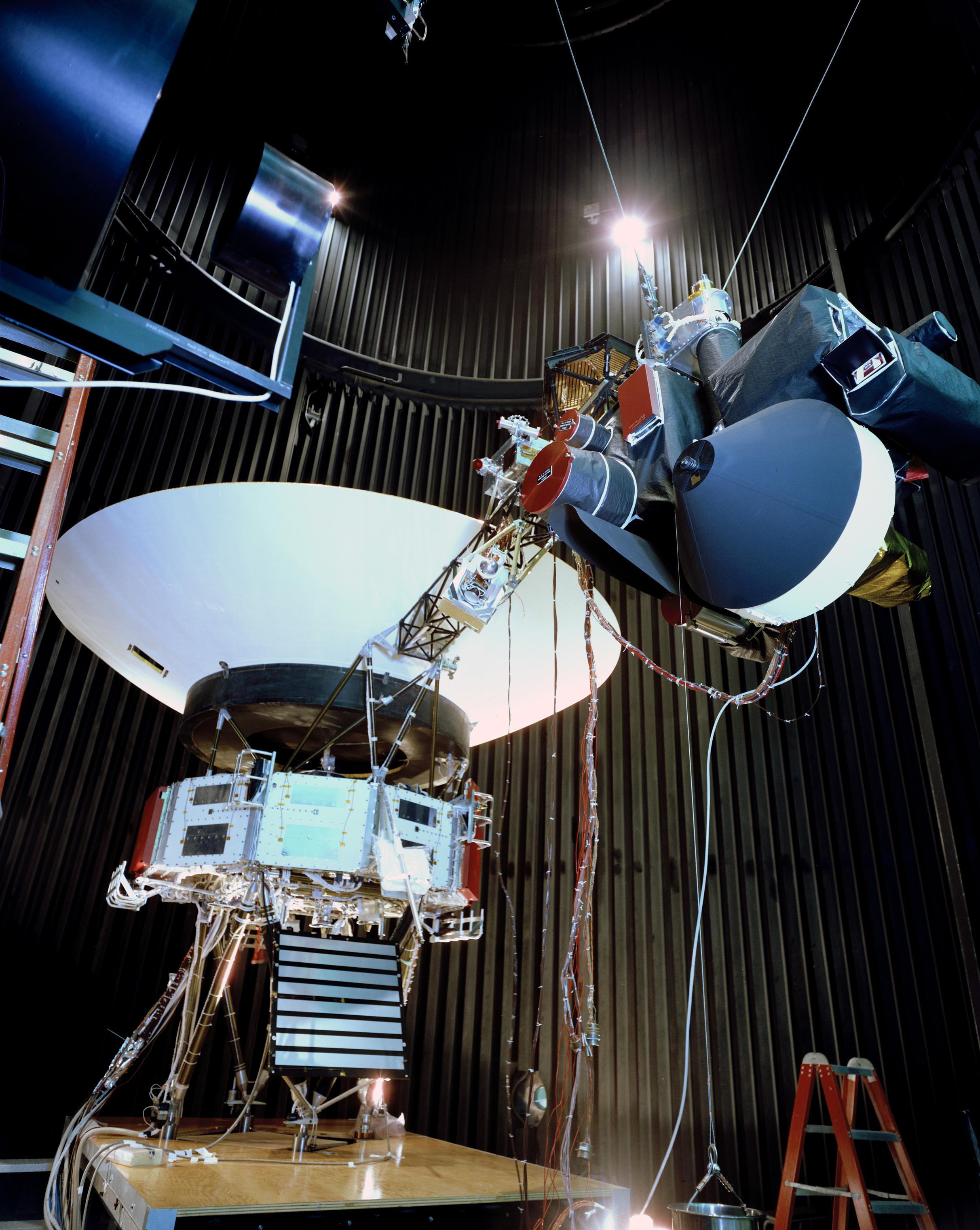
NASA Launches Global Countdown to Voyager 1’s Historic ‘One Light-Day’ Milestone From Earth
NASA announced worldwide celebrations as interstellar probe Voyager 1 nears 16.1 billion miles from Earth, while the Chandra X-ray Observatory uncovers a secret companion star driving violent deep-space eruptions.