Xi Jinping and Putin Meet in Shenzhen Ahead of Historic Trilateral Summit with Trump on Nuclear Arms and Ukraine
Chinese President Xi Jinping and Russian President Vladimir Putin held strategic bilateral talks in Shenzhen on Wednesday, finalizing a unified diplomatic posture ahead of Thursday's unprecedented trilateral summit with U.S. President Donald Trump on nuclear non-proliferation and global stability.


SHENZHEN, China — The stage is set for the most extraordinary diplomatic encounter of the post-Cold War era. Chinese President Xi Jinping and Russian President Vladimir Putin convened for high-level bilateral talks at the Shenzhen Bay International Convention Center on Wednesday evening, aligning their strategic priorities just hours before welcoming United States President Donald Trump for a historic, first-of-its-kind three-way leaders' summit on Thursday, November 19.
The three-way gathering, convened on the sidelines of the 33rd Asia-Pacific Economic Cooperation (APEC) Leaders' Meeting, marks the first time in modern diplomatic history that the heads of state of the United States, the People's Republic of China, and the Russian Federation will meet face-to-face in a structured trilateral summit. The extraordinary meeting follows months of discreet diplomatic negotiations spearheaded by Washington, Moscow, and Beijing, aiming to arrest dangerous escalatory spirals in nuclear modernization and regional warfare.
Top of the formal agenda is the negotiation of a comprehensive, modernized trilateral nuclear arms control architecture. With the bilateral New START treaty between Washington and Moscow having expired earlier this year, President Trump has repeatedly insisted that any future nuclear non-proliferation pact must formally incorporate China's rapidly expanding intercontinental missile arsenal. While Beijing had long resisted trilateral nuclear talks due to disparities in total warhead counts, Chinese foreign ministry officials confirmed that Xi agreed to exploratory discussions regarding strategic stability principles and artificial intelligence integration in nuclear command and control.
The summit will also confront the protracted war in Ukraine and volatile maritime flashpoints across Eurasia. In Kyiv and Western European capitals, news of the three-way meeting has triggered intense scrutiny and diplomatic anxiety, with NATO allies demanding guarantees that sovereignty principles under the United Nations Charter will not be compromised through unilateral territorial concessions or closed-door geopolitical bargains between the three major nuclear powers.
'The world stands at a critical historical crossroads where geopolitical friction must give way to responsible major-power coordination,' a joint statement released by the Chinese and Russian delegations noted following Wednesday's bilateral talks. In Washington, White House national security aides emphasized that President Trump approaches the summit from a position of economic and military strength, seeking tangible commitments that prevent great-power conflict and safeguard global commercial supply lines.
Related Coverage
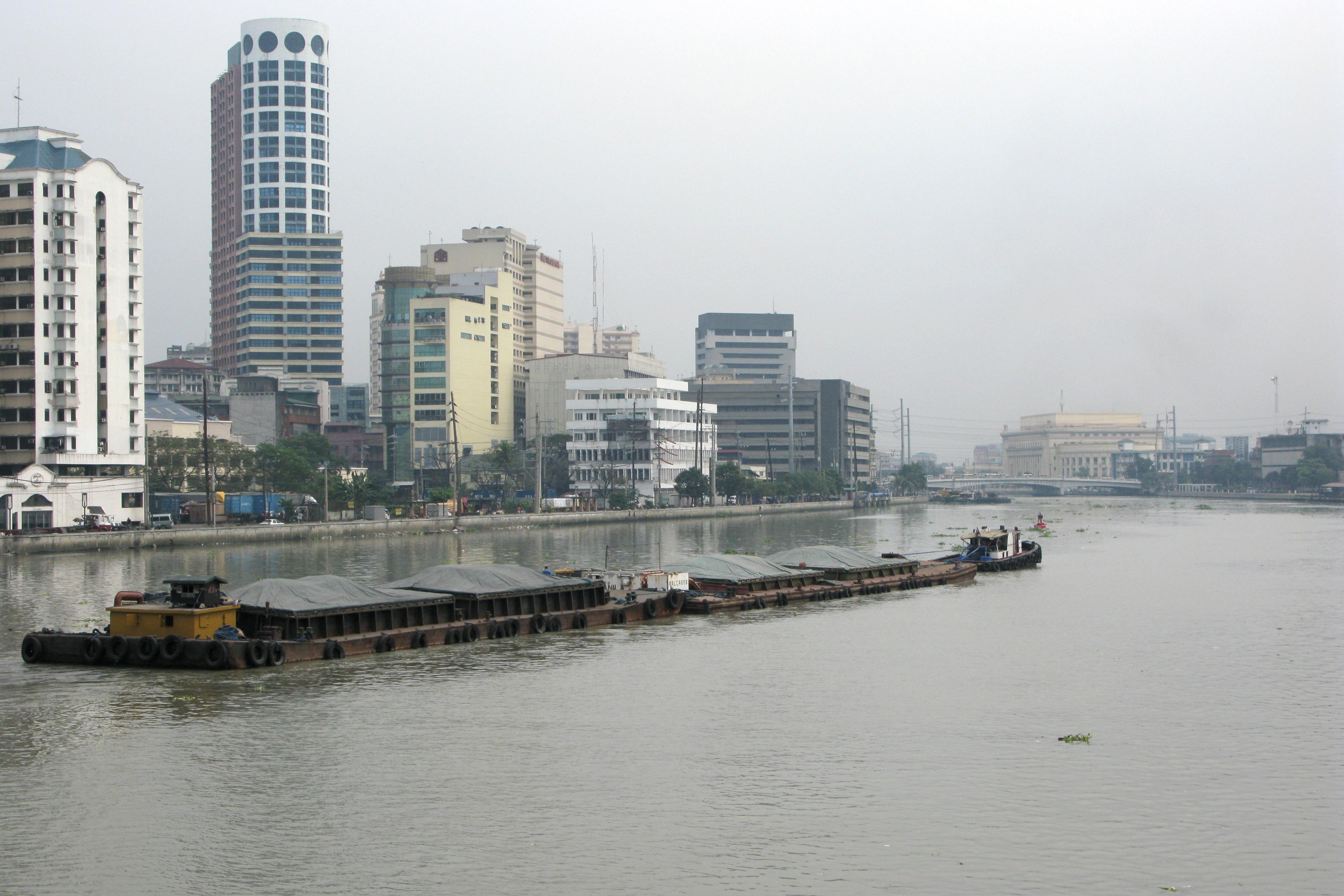
East Asia Summit Convenes in Manila as Indo-Pacific Leaders Demand Legally Binding South China Sea Code of Conduct
Leaders representing 18 Indo-Pacific nations convened in Manila for the 21st East Asia Summit on Tuesday, where Philippine President Ferdinand Marcos Jr. and Quad partners pushed for an enforceable, UNCLOS-backed maritime code of conduct amidst escalating naval tensions in disputed waters.
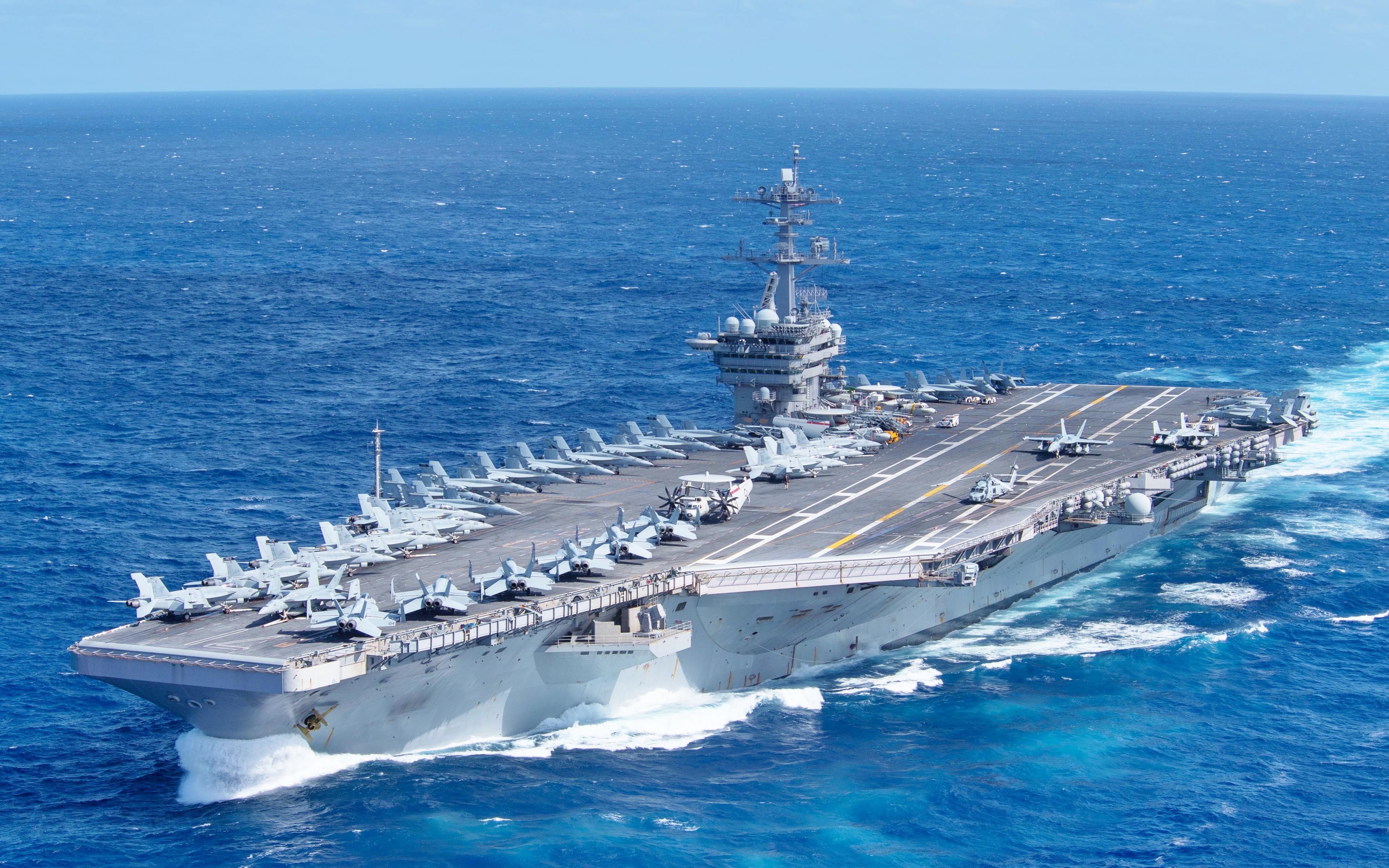
Pentagon Deploys Third Carrier Strike Group to Gulf as Saudi Arabia, Qatar Issue Joint Condemnation of Iranian Radar Strike
Defense Secretary Pete Hegseth ordered the USS Theodore Roosevelt Carrier Strike Group into the Persian Gulf on Monday, reinforcing American deterrence as the Gulf Cooperation Council issued a rare unanimous declaration condemning the Iranian drone attack against U.S. naval radar facilities in Bahrain.
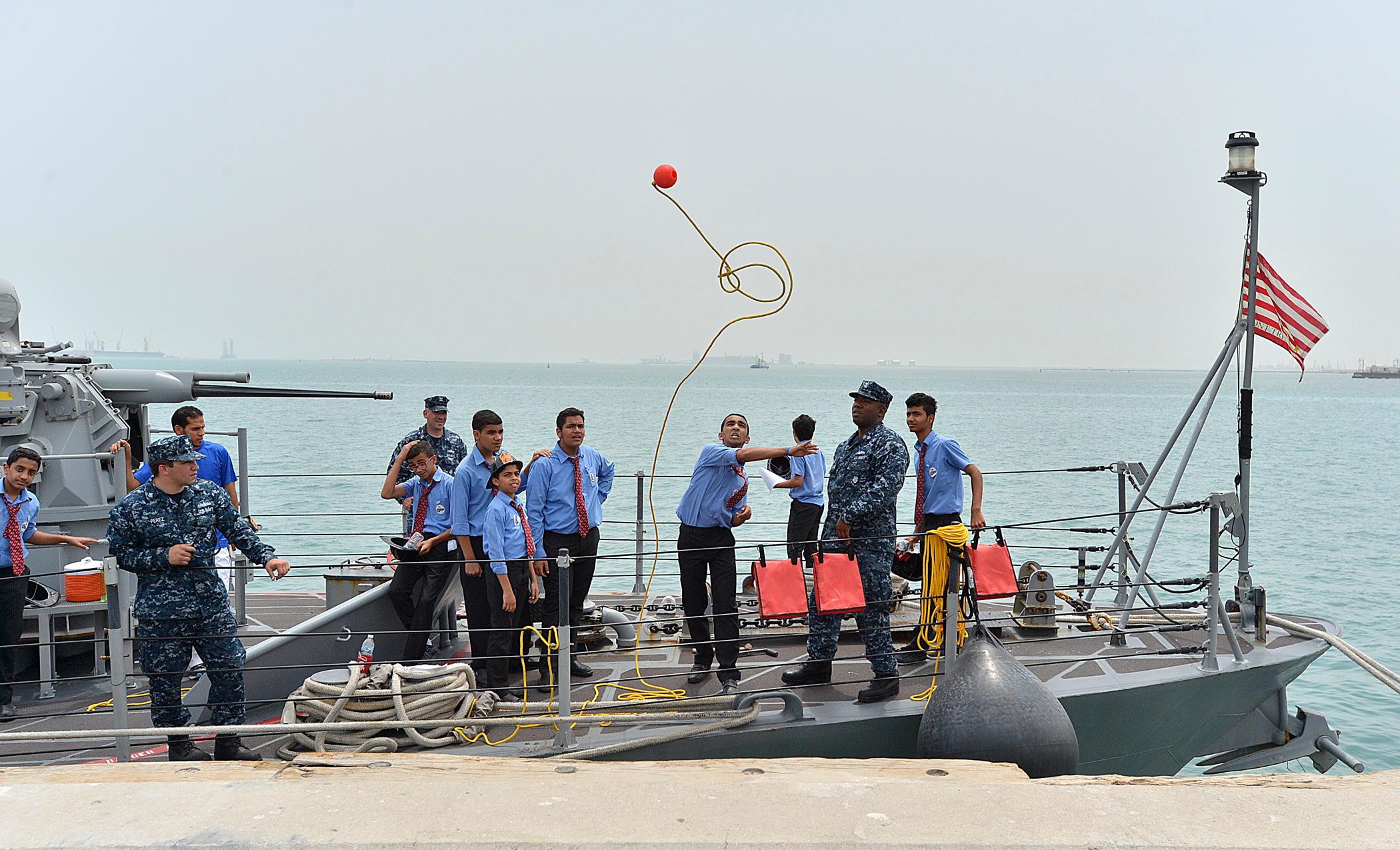
Middle East Tensions Surge as IRGC Claims Strike on U.S. Radar in Bahrain; Trump Recalls Vance From Negotiations
Regional security reached a knife-edge after Iranian forces claimed to target a U.S. early-warning radar site in Bahrain, prompting President Trump to scale back direct strikes while redirecting Vice President JD Vance away from diplomatic talks.