NASA Launches Global Countdown to Voyager 1’s Historic ‘One Light-Day’ Milestone From Earth
NASA announced worldwide celebrations as interstellar probe Voyager 1 nears 16.1 billion miles from Earth, while the Chandra X-ray Observatory uncovers a secret companion star driving violent deep-space eruptions.

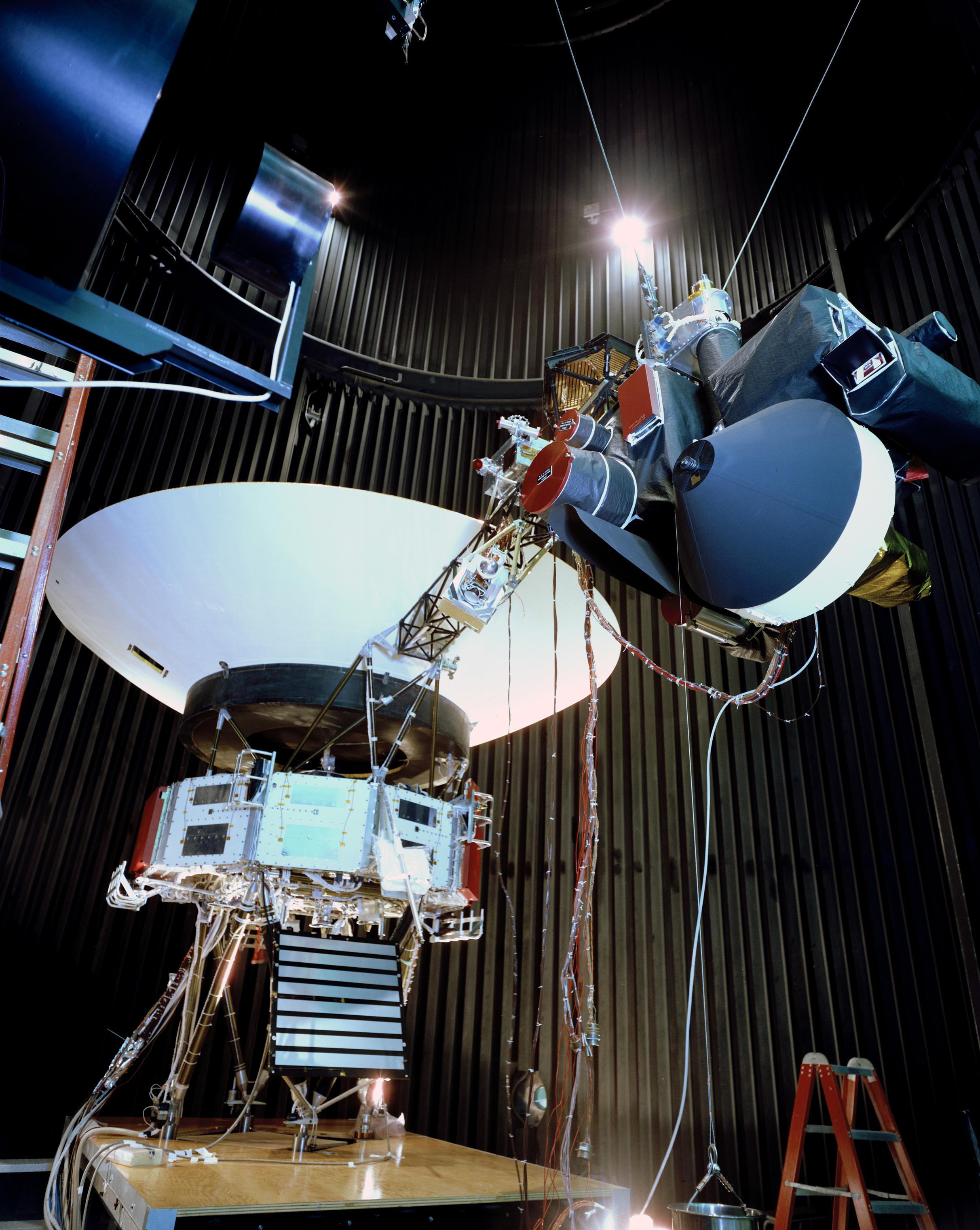
PASADENA, Calif. — Human engineering is on the verge of crossing an unprecedented threshold in cosmic exploration, as NASA’s Jet Propulsion Laboratory (JPL) launched a worldwide public countdown on Saturday marking Voyager 1’s impending achievement of reaching exactly 'one light-day' distance from Earth.
Launched in September 1977, the legendary robotic probe—humanity's farthest and longest-operating emissary—will officially achieve a distance of 16.09 billion miles (25.9 billion kilometers) from Earth on November 18. At that extraordinary range, a radio command dispatched at the speed of light requires a full 24 hours to reach the spacecraft's high-gain antenna, and another 24 hours for telemetry confirmation to return to the Deep Space Network antennas in California, Spain, and Australia.
To commemorate the five-decade operational triumph, NASA announced a global participatory event titled 'Shine Bright for Voyager’s Light-Day' scheduled for November 17, inviting citizens worldwide to synchronize smart devices to flash the Morse code letters 'VGR' toward the constellation Ophiuchus, followed by a live symposium hosted by veteran mission engineers who built the probe during the Apollo era.
Simultaneously, NASA's Chandra X-ray Observatory announced an astrophysics breakthrough, solving a long-standing cosmological mystery regarding erratic, violent luminosity outbursts from giant star AT 2016blu, located 30 million light-years away in galaxy NGC 4559. By analyzing multi-epoch high-energy X-ray spectra, astronomers discovered that the volatile 33-solar-mass hypergiant is locked in an eccentric binary orbit with an unobserved companion star, whose periodic gravitational passes rip gaseous material from the primary star and trigger blinding thermonuclear flares.
Astronomers lauded both achievements as testament to the durability of American space science instrumentation. While Chandra unmasks the physics of distant stellar nurseries, Voyager 1 continues transmitting pristine measurements of interstellar plasma density, proving that humanity's curiosity can extend beyond the boundary of the solar system and reach into the deep galaxy itself.
Related Coverage
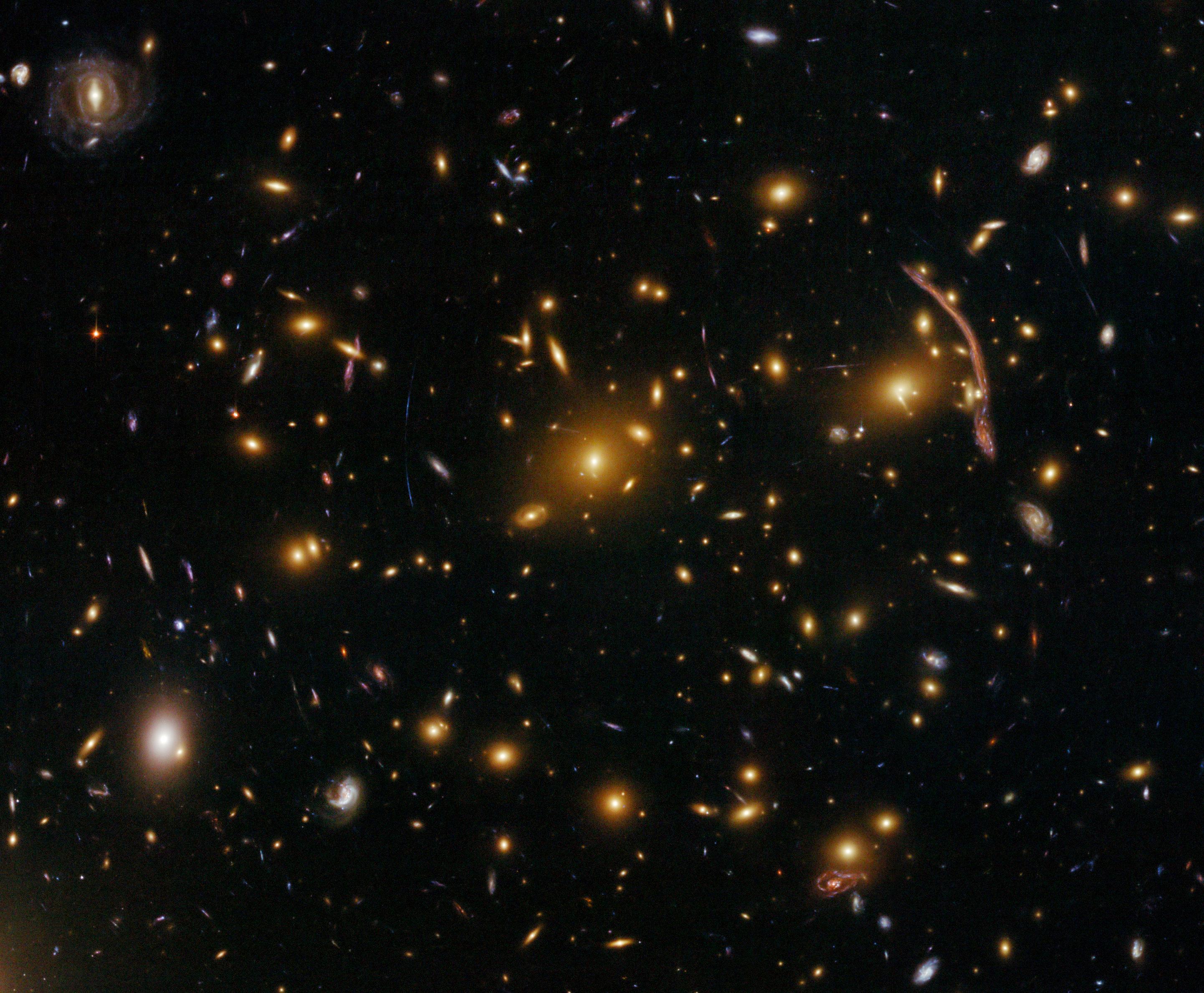
NASA Launches $1 Million Student Moon Base Challenge and Releases Landmark Hubble Dark Matter Survey
NASA opened a major national competition inviting student engineering teams to design lunar South Pole life support systems, while releasing an extraordinary nine-panel Hubble deep-space survey mapping cosmic gravitational lenses.
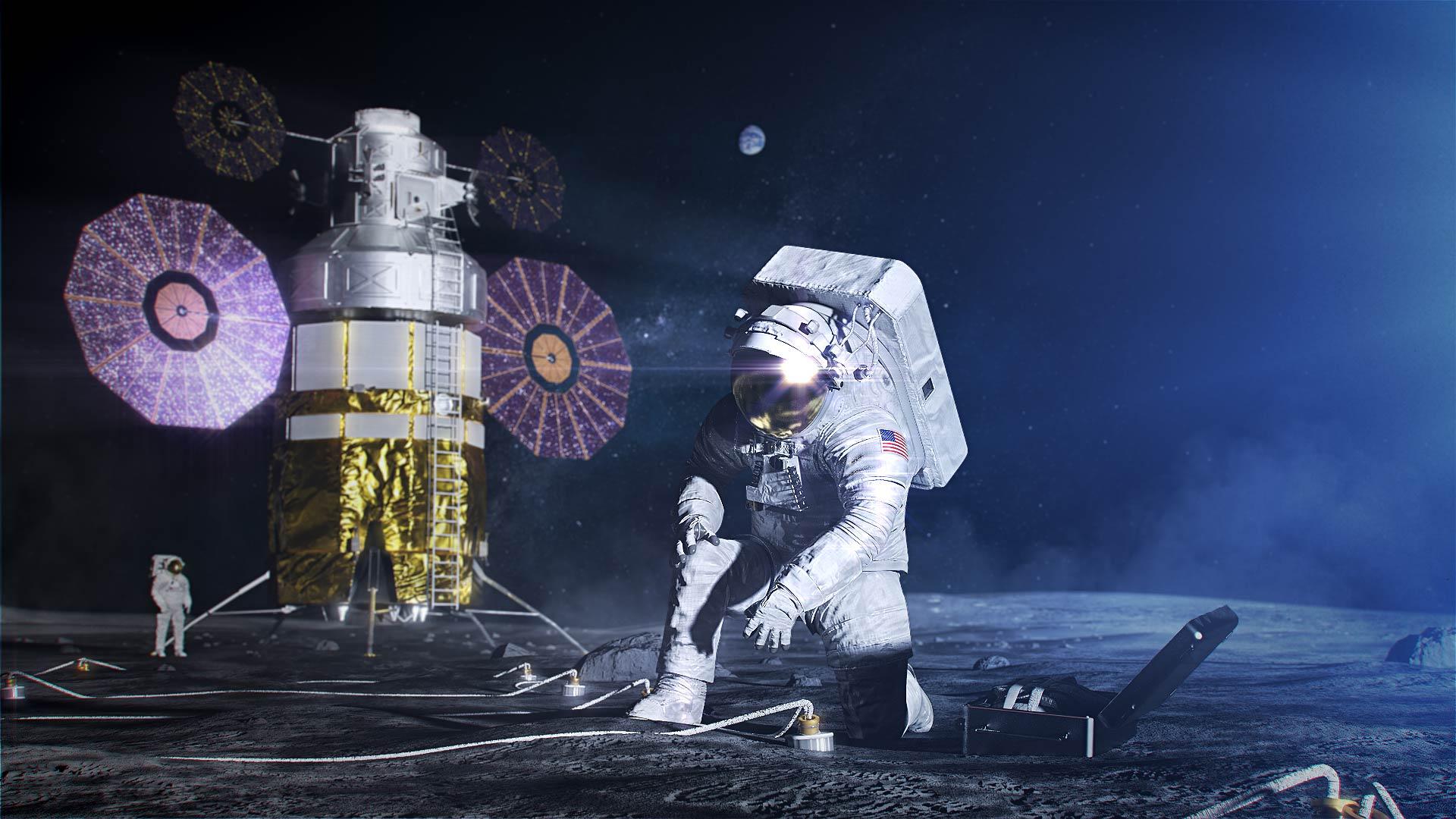
NASA Opens Applications for New Astronaut Class Destined for Permanent Lunar Base and Mars Missions
NASA officially opened recruitment for its newest class of astronaut candidates, seeking STEM professionals to train for long-duration habitation at humanity's planned lunar outpost and future crewed voyages to Mars.
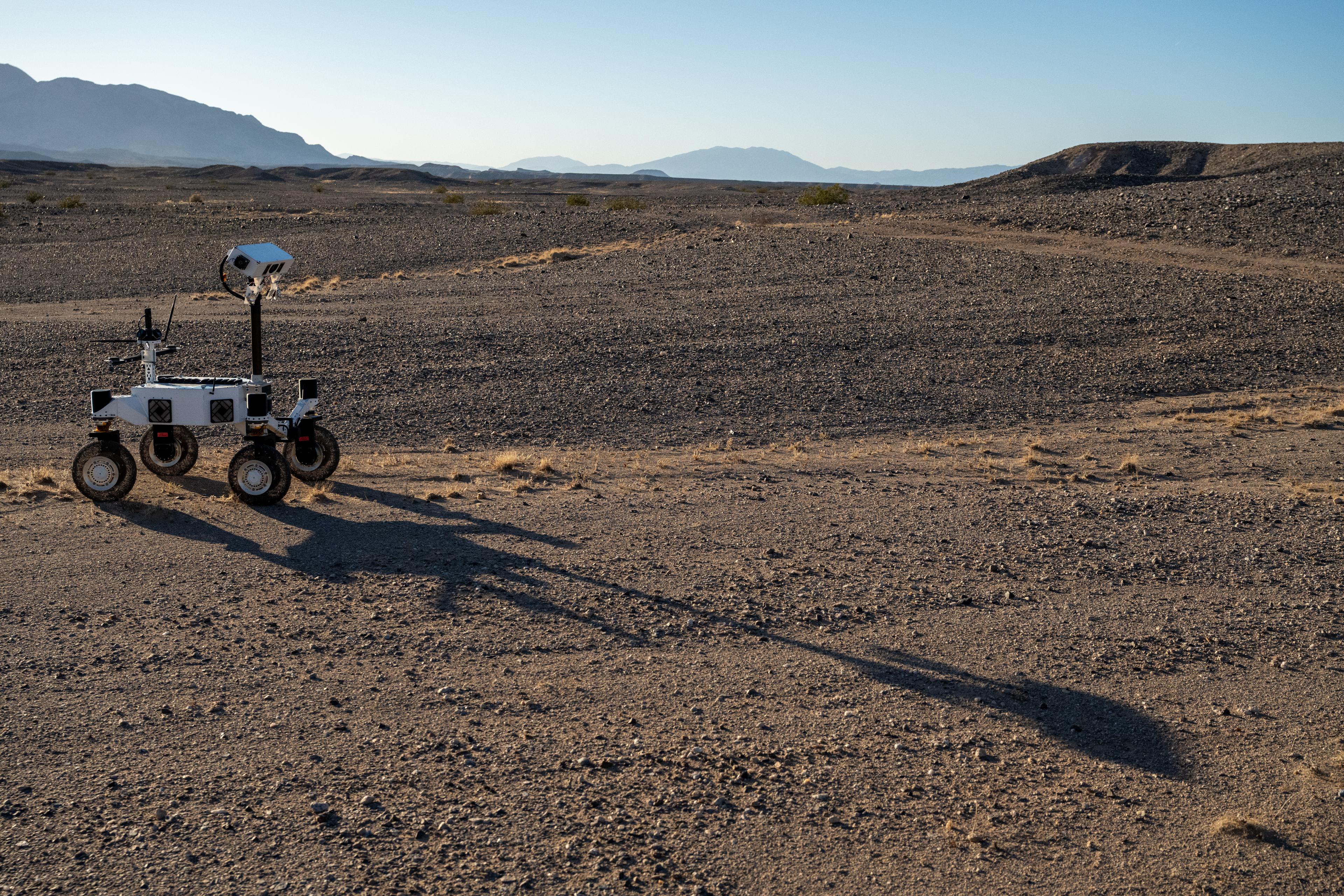
NASA Expands Artemis Surface Fleet with Landmark Autonomous Rover and Infrastructure Contracts
NASA has announced a sweeping series of task orders under the Commercial Lunar Payload Services initiative, greenlighting the deployment of long-range autonomous utility rovers and surface communication arrays destined for the Moon’s permanently shadowed South Pole craters.